Why you get dozens of broker calls the moment you list and how to avoid it
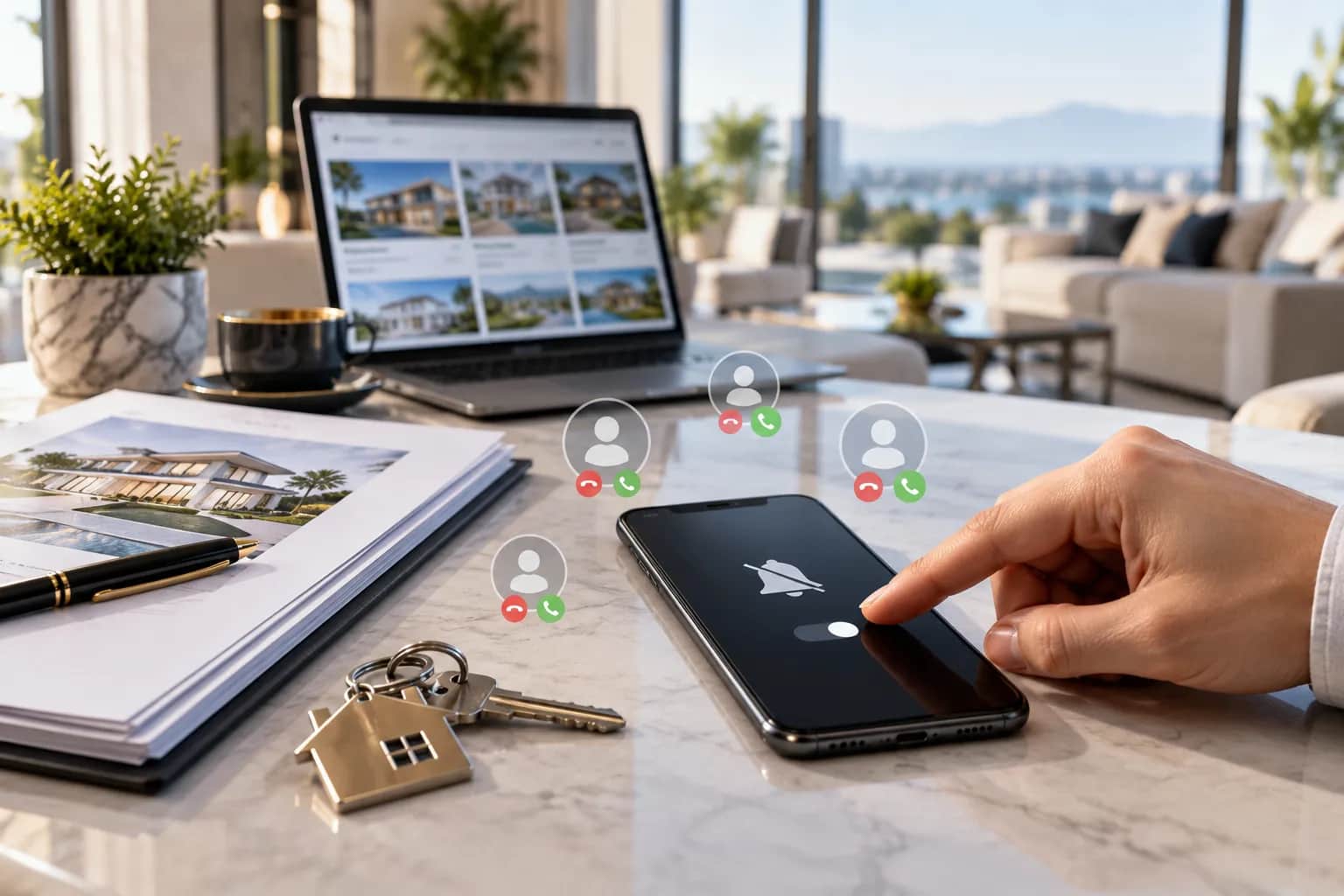
Putting a Dubai property on the market can quickly lead to a high volume of broker calls. An owner may expect enquiries from buyers, only to find agents calling to ask about the property or discuss the sale. The calls can become difficult to manage when multiple brokers ask the same questions. It can also be hard to tell which enquiries have a serious buyer behind them and which are simply attempts to win the listing.
A few steps before the property goes live can make a noticeable difference. Keeping control of the property details, deciding who receives them and setting clear terms can reduce unwanted calls and leave more time for serious enquiries.
Key takeaways
- Public listings often trigger broker calls once property details reach multiple agencies.
- A clear brokerage agreement gives the seller one authorised contact for the sale.
- One approved asking price prevents conflicting listings and buyer confusion.
- DLD advertising permits and Trakheesi rules apply to regulated property marketing.
- Private listings limit property details to selected buyers or brokers.
- Buyer enquiries should follow one defined contact route to reduce unnecessary calls.
Why do listed properties attract so many calls?
A public property listing signals to brokers that an owner is considering a sale. Some agents may already have buyers looking for similar homes, while others may see the listing as an opportunity to represent the property directly. One listing can therefore lead to calls from multiple agencies, particularly in well-known Dubai communities with active buyer demand.
For example, a Dubai Marina apartments for sale listing may attract agents who regularly work with buyers interested in the area, while a villa for sale in Palm Jumeirah may draw interest from brokers who specialise in higher-value homes or work closely with international buyers.
Receiving multiple calls does not necessarily suggest there is a problem with the property. A public listing makes the seller visible to a much wider pool of brokers, many of whom will reach out as soon as they see a potential opportunity.
How do brokers get the owner's number?
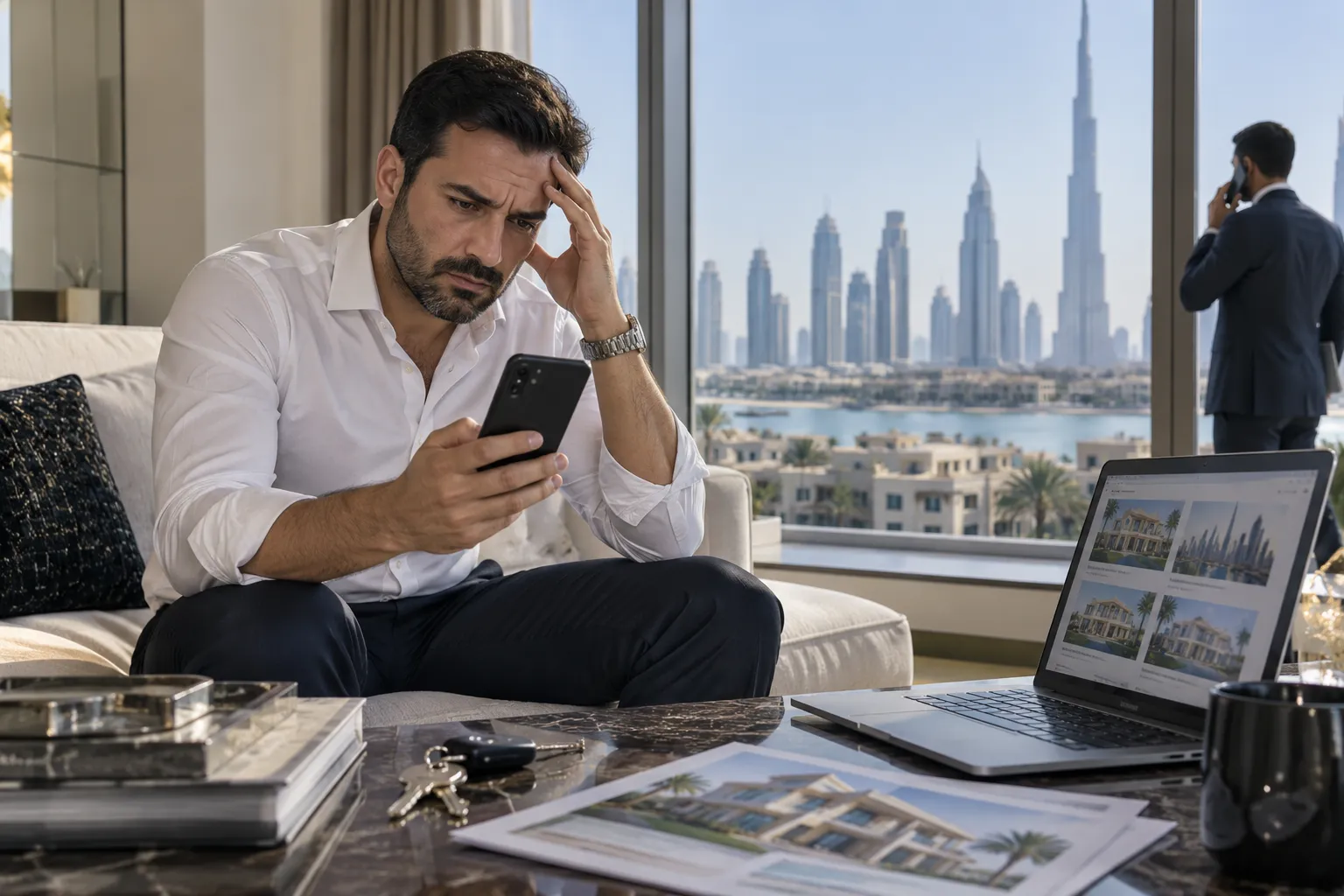
Property details can reach brokers once a home enters the public market. Some agents find the information through listings or existing market contacts. Others come across it through buyer requirements and brokerage networks.
Dubai Land Department's “Regulations Governing Communication with Property Owners and the Prohibition of Cold Calling,” dated 27 February 2026, sets rules for how brokers obtain and use owner information.
- Brokers must not obtain property-owner data unlawfully.
- The regulation restricts direct contact for marketing or purchasing property.
- Brokers may contact existing clients when they properly document the relationship and consent.
- Violations can result in regulatory penalties.
An owner deciding to sell does not give every broker permission to make repeated calls. The regulation limits how brokers obtain owner information and approach sellers.
Buyer enquiries vs broker calls
A buyer enquiry usually comes from someone considering buying the property. The person wants more information before deciding whether to arrange a viewing or make an offer. On the other hand, an agent may contact the owner after seeing the listing because the property suits the type of homes they handle or because they want to take on the sale.
Both types of calls can arrive after the same listing goes live, which makes them difficult to separate at first. The difference becomes clearer once the reason for the contact is known.
A seller who wants fewer calls should state the preferred contact route in the listing. Buyer enquiries can go through the appointed representative, so agents know where to direct their questions.
A separate contact number or email address can also keep property enquiries away from the owner's personal details.
Deciding how the property should be marketed
Before putting the property on the market, decide who will have access to the details and how much information you want to share. Three approaches are common:
A public listing puts the property in front of a large audience and can generate enquiries from both buyers and brokers. Selected brokerage marketing keeps the property within a defined group of agents.
A private listing gives the owner more control over who receives the details. An off-market sale can suit an owner who wants to limit how widely the property information and personal contact details are shared.
How to control the brokerage relationship?
Settle the brokerage relationship before the property reaches the market. A clear arrangement gives the seller one recognised contact and makes it easier to manage other brokers who call after seeing the listing.
Appoint the brokerage before publishing
One of the simplest ways to reduce multiple calls is to decide who has authority to market the property. Dubai's regulatory framework sets out a formal relationship between the seller and broker. DLD's Contract A records the agreement between the property owner and brokerage, along with details about the property and the brokerage terms.
The agreement should spell out:
- Who can market the property
- How long the arrangement lasts
- The agreed commission
- Where the property can be marketed
- How viewings will be arranged
- Where buyer enquiries should be directed
Once the arrangement is agreed, the owner has a clear point of contact for the sale. Other brokers who call can then be directed to the appointed representative.
Screen brokers before sharing details
A broker calling does not mean they are suitable to market the property. Ask what kind of buyer the broker already represents and whether anyone is actively looking for a property like yours. The broker should also explain how they would market the property and whether public advertising is part of the plan.
A broker who cannot clearly explain the buyer's needs is likely prospecting for the listing.
Control what appears in the listing
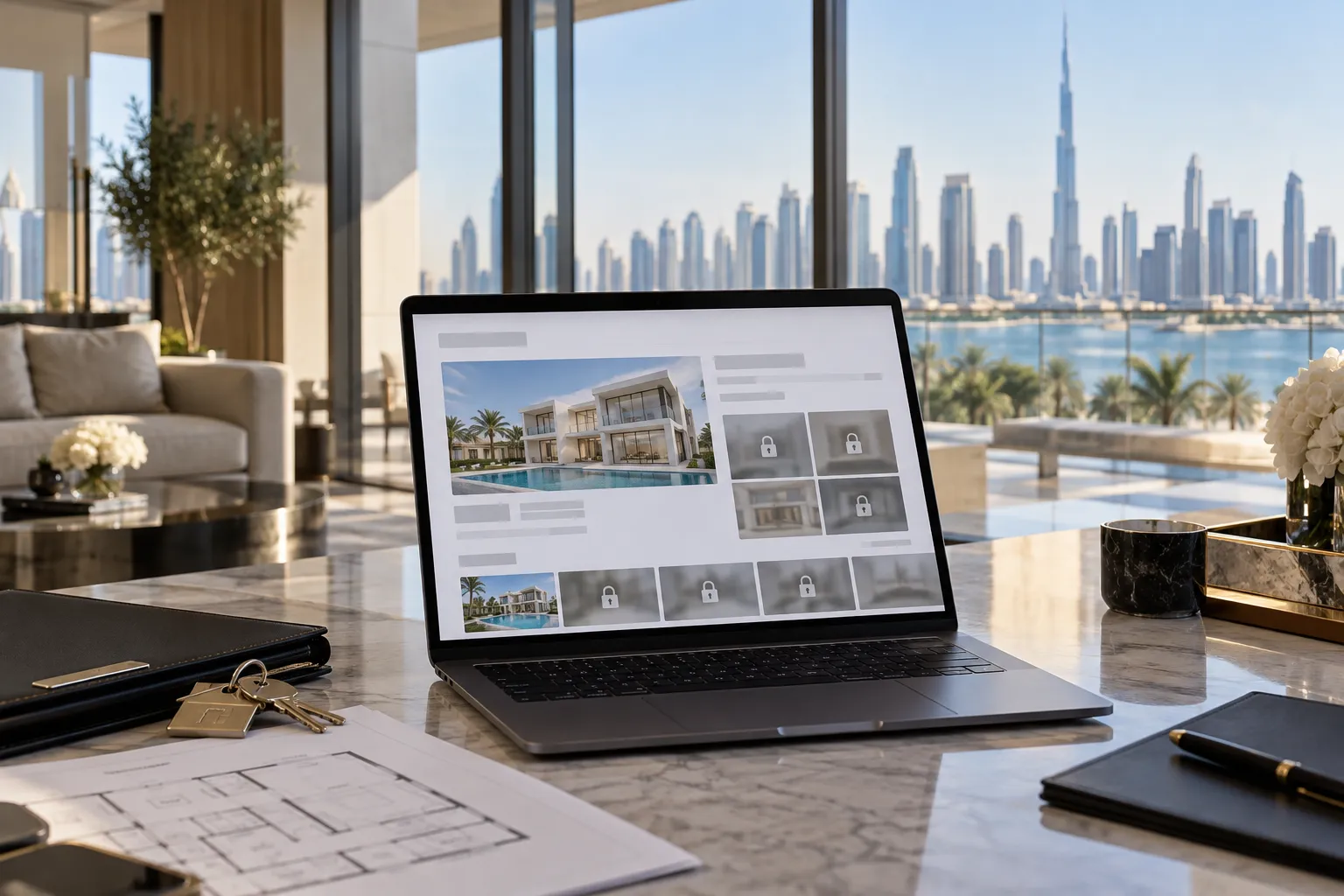
Choosing a brokerage solves only one side of the problem. The next concern is deciding how much information the public sees.
Keep sensitive property information private
Not every property detail needs to appear when the listing first goes live. A public listing might show the property type and community. The bedroom count, approximate size and asking price may also appear.
Certain details can be kept for later in the sale process:
- Exact apartment or villa number
- Owner's personal circumstances
- Tenant details
- Detailed floor plans
- Private contact information
Keeping those details private reduces the amount of personal information circulating among people who contact the seller. A pocket listing suits owners who want to share property details only with selected buyers.
Set clear advertising rules
A seller should know where the property will appear before giving a broker permission to advertise it. According to Dubai Land Department's Real Estate Ad Permit service:
- A DLD advertising permit is required for regulated property advertising activities.
- The permit service applies to online advertisements, classified advertisements, and other marketing formats.
- Open house events also fall under the advertising permit service.
- A broker applying for relevant advertising permits must provide a marketing contract with the property owner.
- The Trakheesi system processes advertising permits.
A written marketing instruction can also state which channels are approved and whether the asking price or seller's contact details should appear publicly.
An owner who values discretion might prefer controlled buyer outreach instead of public advertising.
Keep one asking price
Multiple brokers can create another headache when the same property appears at different prices. Suppose an apartment is worth around AED 2.5 million. One broker advertises it at AED 2.5 million, another at AED 2.65 million and a third at AED 2.4 million.
Different prices can make buyers question the listing. The owner could also start receiving calls from brokers asking which price is correct. Agree on one asking price and make sure every approved listing uses the same figure.
Dubai's official property data can help with the pricing exercise. DLD provides real estate transaction data that can be used to assess recent activity by area and property type.
A single approved figure makes the sale easier to manage and prevents conflicting messages from reaching buyers.
Keep buyer communication in one place
Once the property is being marketed, all enquiries should follow the same route. Buyer questions can go through the appointed representative. Broker prospecting can then be handled separately rather than reaching the seller each time.
A dedicated email address or business number keeps property enquiries away from the owner's personal phone. Owners managing several houses for sale in Dubai can also keep a simple record for each property.
The record can show the approved price, marketing terms and authorised contact. A single route makes it easier to identify each inquiry's purpose.
When does private marketing make sense?
Private marketing is not only about avoiding broker calls. Some sellers have other reasons for limiting public exposure. Terms such as off-market real estate and private listings describe ways of presenting a property to a limited buyer group.
A person considering a property for sale in Business Bay may already know agents who specialise in the area. The seller can share the property with selected contacts without opening the sale to every broker who sees a public advertisement.
The same approach can suit an apartment for sale in Palm Jumeirah or a villa for sale in DAMAC Hills. The owner decides who receives the information and how the enquiry reaches the sales process.
A pocket listing real estate strategy follows the same principle. The property can be presented through a controlled broker network without becoming a fully public campaign.
When does a public listing make sense?

Private marketing is not right for every property. Some homes have a large pool of potential buyers and benefit from greater market visibility. An owner trying to sell property fast in Dubai need more buyer reach than a private strategy provides. An urgent property sale also calls for broader buyer outreach when the seller has a short transaction timeline.
A luxury home needs a different marketing approach from a standard resale apartment. The same applies to investment properties or inherited homes where the sale circumstances differ.
Final Thoughts
Broker calls are a common result of public property marketing, but they don't have to take over the selling process in Dubai. A seller can decide who markets the property, what information becomes public and where buyer enquiries are sent. One approved price also prevents conflicting messages from reaching the market. Private approaches such as off-market real estate, private listings and a pocket listing provide another route when privacy matters. The key is to set the rules before the listing goes live. Once the brokerage, advertising channels, property details and contact route are decided, unwanted calls become easier to control without cutting the property off from serious buyers.
For owners who value discretion, a private listing in Dubai provides a controlled way to market a property without unnecessary broker calls. Speak with betterhomes to discuss the right private sales approach and connect the property with suitable buyers.
Frequently asked questions
Why do broker calls increase after a property is listed?
+−
Broker calls often increase after a property's public details become visible. Agents monitor new listings because a home matches an existing buyer requirement or create a chance to represent the seller. The volume does not necessarily indicate unusual market demand.
Why should the same asking price appear everywhere?
+−
A single approved asking price prevents buyers from seeing conflicting figures for the same home. A seller can also compare recent DLD transaction data for the relevant area and property type before agreeing on the marketing price.
Can two brokers market the same Dubai property?
+−
Two brokers are permitted to market the same property when the seller has authorised both under the agreed arrangement. Without clear permission, duplicate marketing creates conflicting prices and unnecessary enquiries from different agencies.
Are smaller Dubai properties suitable for selective buyer outreach?
+−
Yes. Studios for sale in Dubai attract buyers with defined budgets and investment objectives. Selective outreach suits sellers when a property matches specific buyer requirements, and there is little reason to publish every detail publicly.
Where can sellers follow property market changes before deciding on their strategy?
+−
Dubai real estate blogs can provide updates on transaction activity, regulations, pricing trends and new developments. Sellers can use these updates alongside DLD transaction data to assess pricing and decide how much public exposure suits the property.
Can a seller market a property privately without using a public advertisement?
+−
Yes. A property can be shared directly with selected buyers or through an authorised brokerage. betterhomes can discuss a controlled marketing arrangement when an owner wants buyer access without exposing the property details to every broker.