How much does government policy shape property decisions in Dubai? 70% of residents surveyed say it influenced theirs
A home may fit your budget and suit your family's needs, but government rules can affect your decision. In Dubai, visa requirements and buyer support programmes shape the options available to first-time buyers and residents planning to stay long-term. The betterhomes Future Living Report 2026 found that 70% of surveyed residents said government policies influenced their property decisions. The First-Time Home Buyer Programme has already supported more than 3,200 buyers and has 21 developers and five banks on board. Offers like this can affect home-buying costs and the properties buyers consider.
Key takeaways
- 70% of surveyed residents said government policy influenced their property-buying decisions.
- 33% described the influence as major, while 37% reported some influence.
- The First-Time Home Buyer Programme offers eligible residents benefits through participating developers and banks.
- Individual owners applying for the two-year property investor visa no longer face the previous AED 750,000 minimum property value requirement.
- Homeownership among survey respondents rose from 23% in 2024 to 32% in 2026.
What did the survey reveal about government policy?
The betterhomes Future Living Report 2026 surveyed 1,714 Dubai residents between 17 June and 19 July 2026. Participants were asked how much government policies and initiatives had influenced their property-buying decisions.
The responses below show how much government policies and initiatives influenced their choices.
Source: betterhomes Future Living Report 2026
Seven in ten respondents said government policy influenced their buying choices. The survey tells us what residents think, but it doesn't confirm that a particular policy led to a property purchase.
How the first-time home buyer programme supports ownership
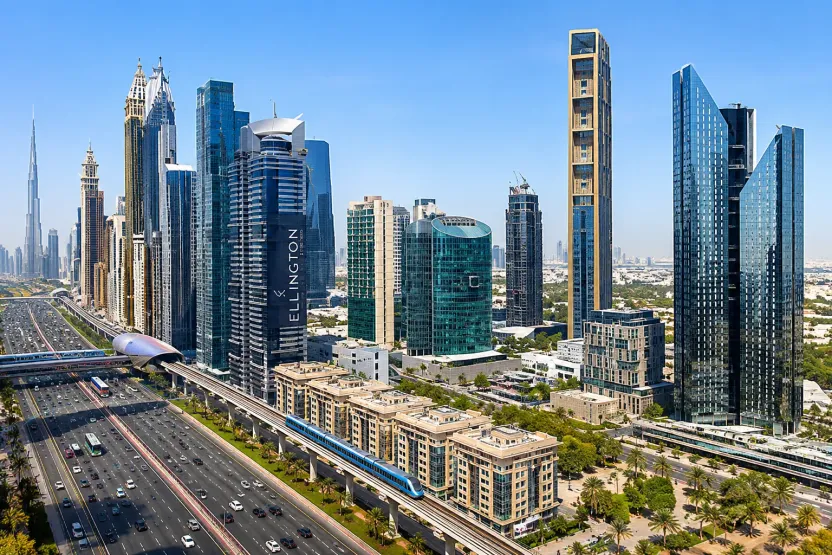
Buying your first home involves costs beyond the property price. Mortgage fees and registration charges can add a lot to the budget, which makes the first purchase harder for some residents. Dubai’s First-Time Home Buyer Programme aims to make the process more affordable through offers from participating developers and banks. At the time the report was published, 21 developers and five banks were participating.
Who can apply?
The programme keeps its basic eligibility rules simple. Applicants must meet the following criteria.
Residency status: Applicants must have a valid UAE residency visa.
Ownership record: Applicants must not own or co-own a freehold residential property in Dubai.
Minimum age: Applicants must be at least 18 years old.
Property price: The property must cost less than AED 5 million.
What benefits does the programme offer?
Eligible buyers can receive several benefits through participating developers and banks.
Special property prices: Developers offer reduced prices on selected off-plan homes.
Mortgage offers: Partner banks offer special financing terms, like lower interest rates or reduced fees.
Flexible fee payments: Buyers can pay property registration fees by credit card and use interest-free instalment plans.
Priority access to new launches: Eligible buyers get priority access to selected property launches.
Offers vary by developer, bank and property, and benefits can be used with one participating developer and one participating bank. If you are looking at off-plan properties in Dubai, check which developers are taking part and what terms apply to the project you like.
How to register
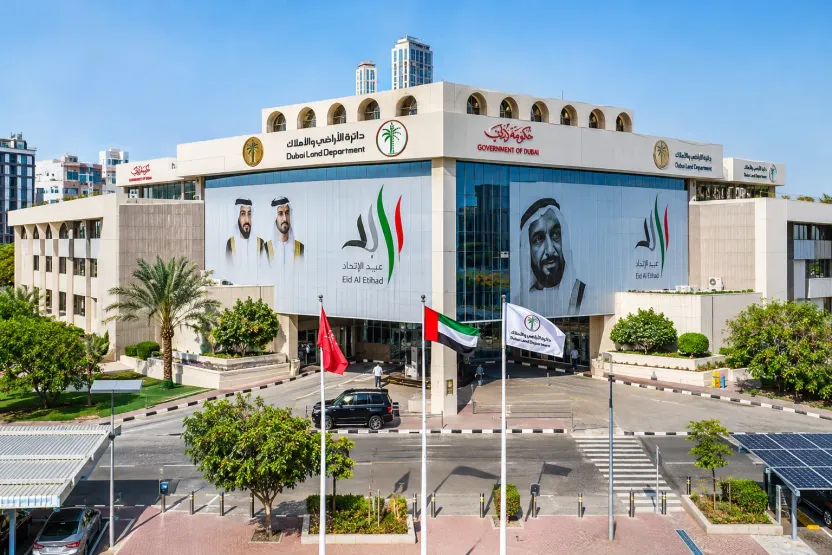
Registration is free. Sign up on the official Dubai Land Department website or through the Dubai REST app. After you submit your details online, you'll receive a confirmation email with a personal QR code. Show this code to participating developers and banks to claim the benefits.
Changes to property rules for residency visas
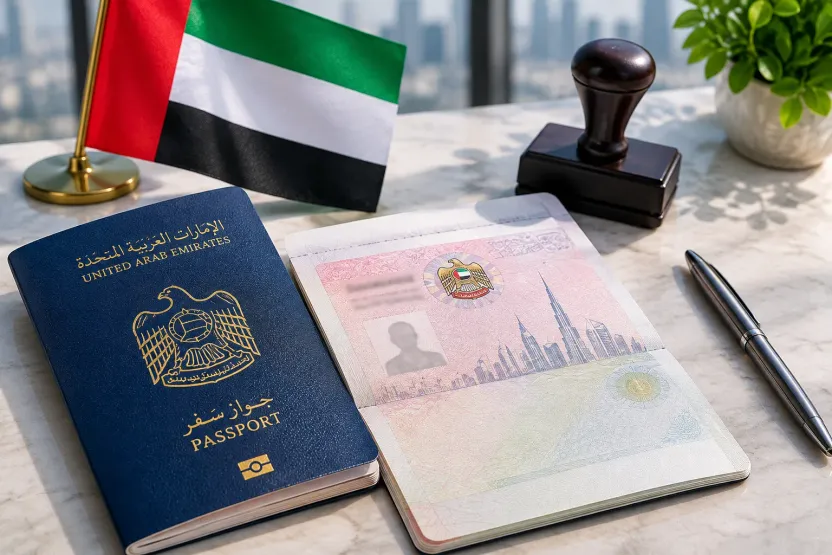
In April 2026, Dubai removed the AED 750,000 minimum property value requirement for the two-year property investor visa for sole owners. The revised rule gives individual property owners more flexibility when applying for residency through property ownership.
According to the Dubai Land Department, sole owners are eligible to apply regardless of their property's value. Joint owners must meet a separate requirement based on each applicant's individual share.
What does this change mean for property buyers?
Sole owners no longer need to meet the former AED 750,000 property value threshold when applying for the two-year investor visa. People researching studios for sale in Dubai have more flexibility when comparing properties at different price points.
Of course, other eligibility rules still apply, so double-check the current guidelines with the Dubai Land Department before making a final decision based on your residency plans.
Two-year investor visa versus Golden Visa
The two visas have different property value requirements. The revised two-year investor visa route has no minimum property value for sole owners, while the 10-year Golden Visa through property ownership requires a property worth at least AED 2 million.
Buyers should identify the relevant visa route before choosing a property. The lower threshold for the two-year visa doesn't change the Golden Visa's separate requirements.
Are more residents becoming homeowners?

The betterhomes Future Living Report 2026 highlighted that more residents are deciding to settle down and buy.
Here is how homeownership has grown among the people surveyed:
That is a solid 9-percentage-point jump in just two years.
Mortgage usage has also been on the rise. In 2026, 51% of homeowners used a mortgage, compared to 46% the year before. 67% of renters planning to buy property in Dubai intend to use bank financing. Financial options clearly play a massive role when planning for a future home. However, household income, savings, and overall property prices will still shape what feels affordable.
What should buyers check before purchasing a property?
While government schemes can make buying a home more affordable, buyers should consider the total cost of ownership. A good price or mortgage offer helps, but the running costs matter too. Those considering an apartment for sale in Dubai should calculate the down payment and review available mortgage offers. Also include registration fees, ongoing service charges, and future maintenance costs in your budget.
Buyers purchasing directly from developers in Dubai should take time to read the sale agreement. Look closely at the construction schedule and the payment plan before signing, and make sure the policy on construction delays is clear. Remember, a great discount is only a win if the property actually fits day-to-day life.
Before committing to a purchase, run through this quick five-point checklist:
- Confirm that the buyer and property meet the rules for any scheme.
- Compare interest rates, down payments and the total cost of borrowing.
- Calculate registration fees, service charges and expected maintenance costs.
- Read the agreement and understand the responsibilities attached to the purchase.
- Check the building, neighbourhood, facilities and daily travel requirements.
Working through these details before signing can spare you from unexpected expenses later.
What do the findings tell us about Dubai’s property market?
The survey clearly shows that many residents keep government policies top of mind. However, the percentages reflect reported opinions rather than direct sales figures or proof of a policy's effect on property purchases.
Many people buy homes without using government schemes, and others may find they don't meet the specific criteria or mortgage terms. Everyone's financial situation and housing needs are unique, which naturally shapes the choices available.
Getting a clear handle on the buying process can make planning much smoother. Partnering with a licensed real estate agency in Dubai is a great way to break down the steps, understand standard fees, and find properties that fit your budget.
Government programmes and visa rules can change. Always verify the latest requirements with the right authority or a bank before making a final commitment.
Conclusion
Buying a home is a personal milestone, and it’s natural to have questions along the way. Government policies may open up options you hadn’t considered, but the final choice comes down to the home itself and whether you can see yourself living there. 70% of respondents to the betterhomes Future Living Report 2026 said government policy influenced their property decisions. The First-Time Home Buyer Programme and the change to the two-year investor visa have opened up more options for buyers, but the right home still comes down to your budget, your plans and how you want to live. Visit the areas you like, check the full costs and take advice before you commit
To keep an eye on market trends and policy updates affecting buyers and homeowners, the betterhomes blog always has the latest Dubai real estate insights.
Frequently asked questions
How many Dubai residents say government policy influenced their property choices?
+−
The betterhomes Future Living Report 2026 found that 70% of surveyed residents said government policies influenced their property buying decisions. 33% felt it had a major impact, while 37% said it influenced them somewhat.
Who qualifies for Dubai’s First-Time Home Buyer Programme?
+−
Applicants must meet four basic requirements. They must:
- Hold a valid UAE residency
- Be at least 18 years old
- Not already own or co-own a freehold residential property in Dubai
- Buy a property worth less than AED 5 million
What is the registration process for the First-Time Home Buyer Programme?
+−
Registration is free through the official Dubai Land Department website or the Dubai REST app. Applicants can submit their details online. After successful registration, applicants receive a confirmation email with a personal QR code to present to participating developers and banks when claiming available benefits.
Does the revised property value rule apply to the 10-year Golden Visa?
+−
No, these are separate pathways. The updated two-year property investor visa has removed the minimum property value for sole owners entirely, but the 10-year Golden Visa still requires a property worth at least AED 2 million.
Has government policy caused homeownership to rise in Dubai?
+−
The betterhomes Future Living Report 2026 recorded an increase in homeownership among surveyed residents, from 23% in 2024 to 32% in 2026. However, the report doesn't establish that government programmes caused the rise.
Does removing the AED 750,000 minimum property value guarantee an investor visa?
+−
No. Dropping the minimum value means anyone can apply for the two-year investor visa regardless of the property's value, but it doesn't guarantee approval. Applicants need to meet the standard eligibility criteria and submit the proper paperwork.