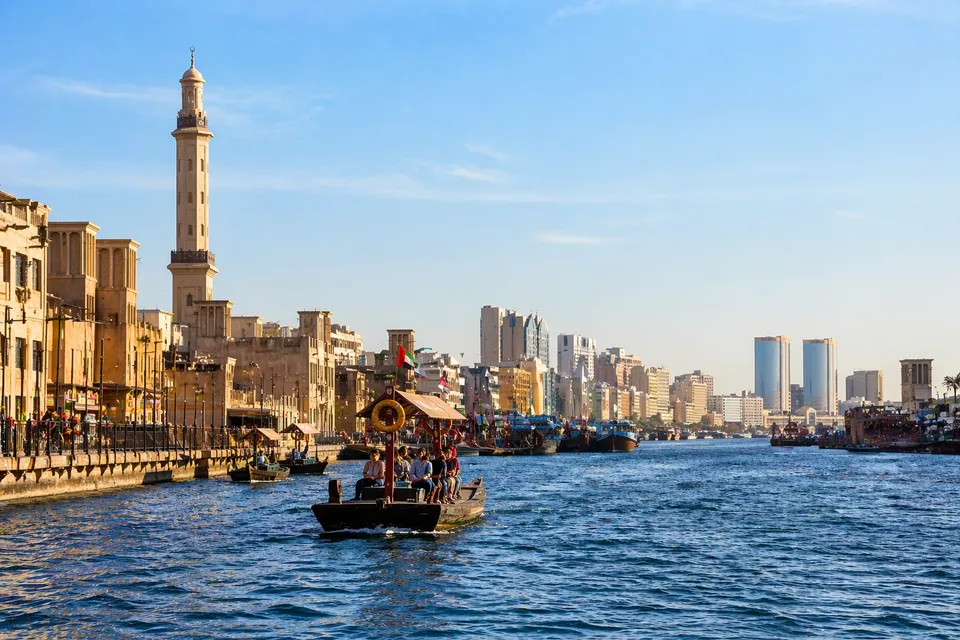
Dubai, United Arab Emirates
5 min read
Bur Dubai area guide
About Bur Dubai
Bur Dubai has a steady and welcoming feel that many people grow comfortable with over time. Life here feels close and connected. Homes, shops, schools, clinics, and metro stations sit within easy reach, so daily routines do not feel heavy. The area carries history, yet it stays active and useful for modern life. Streets stay busy, but not chaotic. People from different backgrounds live side by side, which gives the neighbourhood a natural mix of cultures. Many residents choose Bur Dubai because it feels stable, familiar, and easy to manage. It offers comfort in its routine and confidence in its location.
Location & connectivity in Bur Dubai
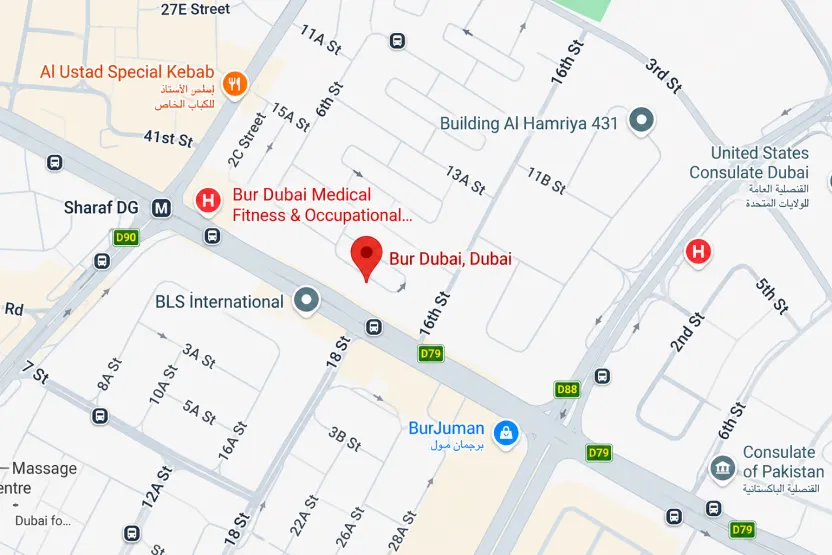
Bur Dubai sits on the western side of Dubai Creek, directly opposite Deira, and is at the heart of old Dubai. The area spreads across Al Mankhool, Al Raffa, Al Souk Al Kabeer, Umm Hurair, Oud Metha, Al Karama, and Al Jaddaf, which gives it a wide and settled presence in the city. Sheikh Rashid Road borders the district and connects it to Sheikh Zayed Road, while Oud Metha Road links it to Healthcare City, and Al Khail Road connects it to Al Khail Road. Al Mina Road leads towards Jumeirah and Port Rashid. The Al Maktoum Bridge and Al Shindagha Tunnel connect it across the creek to Deira. Its central location gives a strong sense of proximity to Dubai’s main commercial and cultural hubs, so daily life feels anchored rather than distant from the city’s core.
Bur Dubai’s transportation & parking
Getting around Bur Dubai feels manageable once you settle in. The area stays active throughout the day, yet transport options make daily travel less stressful. Metro, buses and taxis cover most needs, and many residents mix these options depending on time and distance. Traffic can slow near bridge exits during peak hours, though short internal roads inside Deira keep most daily trips quick.
Public transport connections in Bur Dubai
Dubai metro (Red line)
Bur Dubai is served by stations on the Red and Green Lines.
- Red Line stations include BurJuman, ADCB and Oud Metha.
- Green Line stations include Al Fahidi, Sharaf DG and Al Ghubaiba.
BurJuman serves as an interchange between the two lines.
Public bus network
- RTA bus stops operate across Al Mankhool, Al Raffa and Oud Metha.
- Common routes include 8, 29, 61, C7 and C10.
- Routes connect to Jumeirah, Satwa, Deira and Al Qusais.
- Buses operate daily, with intervals of 15 to 30 minutes depending on the route.
- Abra stations along Dubai Creek connect Bur Dubai to Deira.
Taxis and ride-hailing:
- RTA metered taxis are widely available along main roads and near metro stations. Uber and Careem operate across the district, with average pickup times between 3 and 8 minutes.
Roads and private vehicles in Bur Dubai
Parking depends on the building. Many modern apartment towers and villas include covered parking spaces. Older residential blocks may offer limited private parking, so residents often rely on paid RTA street parking. Busy commercial streets can feel crowded in the evening, so planning ahead helps. Many residents still prefer the metro for daily travel because it offers a steady, predictable schedule.
Sub-communities in Bur Dubai
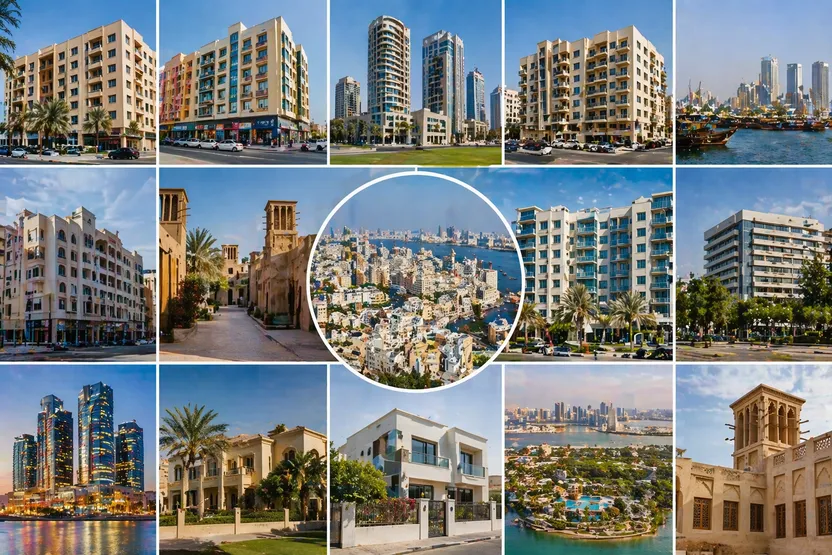
Bur Dubai includes several well-known residential neighbourhoods. Each community has its own housing type and building style. Below are the main sub-communities in Bur Dubai.
Al Hamriya
Al Hamriya has mid-rise residential buildings with apartments. Units range from studio, 1-bedroom, and 2-bedroom apartments, with a limited number of 3-bedroom family units.
Al Karama
Al Karama has compact residential blocks with apartment buildings and retail at street level. Residential units range from studio to 3-bedroom apartments.
Al Kifaf
Al Kifaf has modern high-rise developments with apartments and a small number of villas. Residential options range from 1- to 3-bedroom apartments, along with 3- to 5-bedroom villas in selected projects.
Al Mankhool
Al Mankhool has mid-rise residential buildings and gated compounds with apartments and villas. Property types range from studio to 3-bedroom apartments and 3- to 5-bedroom villas.
Al Mina
Al Mina has older mid-rise residential blocks with apartments. Residential units range from studio to 2-bedroom apartments.
Al Raffa
Al Raffa has established residential buildings with apartments in low- and mid-rise structures. Unit types range from studio to 3-bedroom apartments.
Al Shindagha
Al Shindagha is a historic waterfront district with traditional villas and restored houses. Buildings in the area mainly have 3- to 5-bedroom traditional residences.
Al Souq Al Kabeer
Al Souq Al Kabeer has mixed-use buildings with apartments above retail spaces. Residential units range from studio to 2-bedroom apartments.
Oud Metha
Oud Metha has residential buildings and compound developments with apartments and villas. Unit types range from studio to 3-bedroom apartments to 3- to 4-bedroom villas.
Umm Hurair
Umm Hurair has residential towers and mixed-use developments with apartments. Residential units range from studio to 3-bedroom apartments.
Al Jaddaf
Al Jaddaf has newer waterfront residential towers with apartments near Dubai Creek. Residential units range from 1- to 3-bedroom apartments.
Culture Village
Culture Village has waterfront developments with luxury apartments and penthouses. Residential units range from 1- to 4-bedroom apartments, with larger penthouse layouts in selected towers.
Zabeel
Zabeel has spacious residential plots, large villas, and a small number of apartment towers. Residential options range from 3- to 6-bedroom villas and 1- to 3-bedroom apartments.
Al Bastakiya (Al Fahidi Historical Neighbourhood)
Al Bastakiya is a preserved heritage district with traditional wind-tower houses and villas. Buildings in the area mainly have 3- to 4-bedroom traditional houses, many within restored historic structures.
Who is Bur Dubai best for?
Bur Dubai suits professionals who work nearby and want short commutes. Families choose it for schools and daily services within easy reach. Small business owners prefer the close link between home and work. It fits residents who value routine, connection, and practical living.
Office and government employees
Many people who work in nearby banks, trading firms, and government offices choose to live here. Short travel times make mornings easier. After work, the journey home does not feel long or tiring. Everything sits close enough to save time, and that matters during busy weeks. Apartments for rent in Bur Dubai are a practical choice for professionals who want to live close to their workplaces.
Families who prefer established areas
Families who value routine often feel comfortable in Bur Dubai. Schools, clinics, supermarkets, and parks sit within a short distance. Streets feel lived in. Long-term residents create a sense of stability. Parents appreciate that daily needs are nearby, without having to travel across the city. For those ready to settle, buy an apartment in Bur Dubai to establish a permanent base in a well-connected neighbourhood.
Residents on practical budgets
Rent in many parts of Bur Dubai stays lower than in areas such as Downtown Dubai or Dubai Marina. Professionals and small families choose it because the location stays central without high rental pressure. Many residents stay for years because the setup simply works. No long commutes. No need for luxury towers. Just steady, manageable living.
Small business owners and traders
Bur Dubai has a strong trading culture. Textile merchants, electronics sellers, and small shop owners often live close to their businesses. That short distance between work and home creates a sense of comfort and control in daily life.
Bur Dubai does not suit those who look for quiet villa suburbs or private gated communities. It suits people who prefer connection, access, and a neighbourhood that feels grounded. Those who move here know exactly what they value.
Property types in Bur Dubai
Bur Dubai centres on apartment living across Al Mankhool, Al Raffa, Al Souk Al Kabeer, Oud Metha, and Umm Hurair. Most buildings are low to mid-rise blocks built between the late 1980s and early 2000s, with shops on the ground floor and apartments above. A few newer towers appear near BurJuman and Oud Metha, though the area keeps its older character. Rental units dominate, and demand for rental properties in Bur Dubai remains steady, as many residents choose the area for its central location and affordable pricing.
Apartments in Bur Dubai
Bur Dubai’s property market overview
Here’s a quick look at how apartment prices, rental income, and returns have performed over the last year.
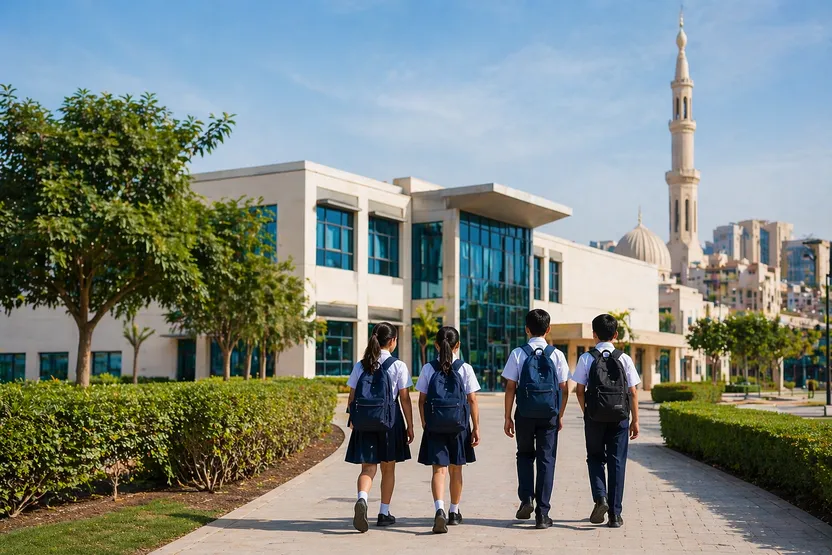
Schools in and around Bur Dubai
Nurseries in and around Bur Dubai
Clinics in and around Bur Dubai

Pharmacies in and around Bur Dubai
Pros and cons of living in Bur Dubai
Living in Bur Dubai offers clear pros and a few cons, and most residents accept them because they understand what the area provides in return.
Pros of living in Bur Dubai
- Central location with a short drive to Downtown Dubai, Deira, Business Bay, and Dubai International Airport.
- Strong metro access through BurJuman, Al Fahidi, ADCB, and other nearby stations.
- Established community with schools, clinics, supermarkets, and banks within close reach.
- Rental rates are lower than in many newer districts, such as Downtown Dubai and Dubai Marina.
- A wide range of daily services and government offices are inside the district.
Cons of living in Bur Dubai
- Limited parking in older residential buildings and busy street zones.
- Traffic congestion near Al Shindagha Tunnel and Al Maktoum Bridge during peak hours.
- Many residential blocks are older compared to newer developments.
- Crowded commercial streets near Meena Bazaar and Al Fahidi.
- Few standalone villas, with most housing options limited to apartments.
Nearby landmarks
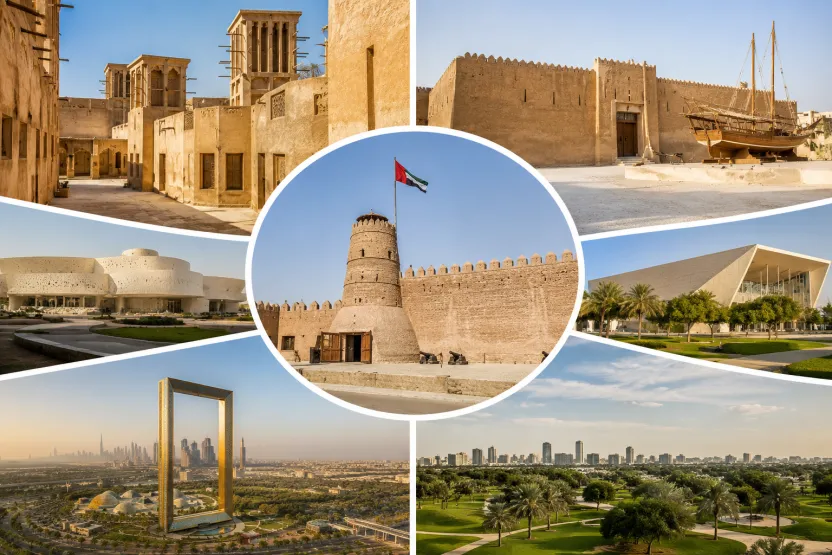
These landmarks reflect Bur Dubai’s cultural, historical, and civic importance, making the area especially appealing for residents and investors exploring homes with betterhomes, rather than being viewed solely as tourist attractions. Most are within a short driving distance, and several are within walking distance depending on your exact location within the district.
Properties in Bur Dubai
No buy properties available in Bur Dubai at the moment.
Check back soon or explore other areas.