Al Dhafra area guide
About Al Dhafra
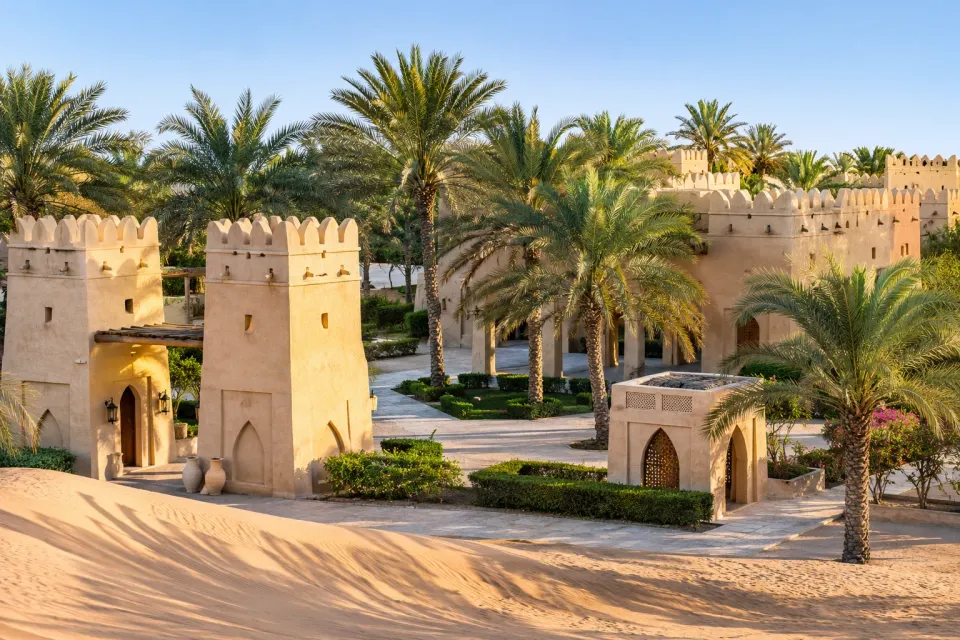
Al Dhafra covers the vast western part of Abu Dhabi and accounts for around 71% of the emirate’s land area, making it by far the largest region and one of the least densely populated. It was previously known as Al Gharbia. While the name has changed, the character of the area remains much the same, with oil fields, gas facilities, farms and a small number of towns spread across a wide desert landscape.
The main population centres include Madinat Zayed, Ruwais, Ghayathi, Liwa and Mirfa. Much of the housing demand is linked to government employment and the oil and gas sector, with many companies providing accommodation for staff.
The residential market is therefore very different from central Abu Dhabi. Villa compounds, low-rise apartment buildings and staff accommodation are more common than large off-plan developments or high-rise towers. Freehold investment stock is limited, so buyers looking for the type of properties typically found in Abu Dhabi’s main investment areas are more likely to focus on communities closer to the city.
Location and connectivity in Al Dhafra
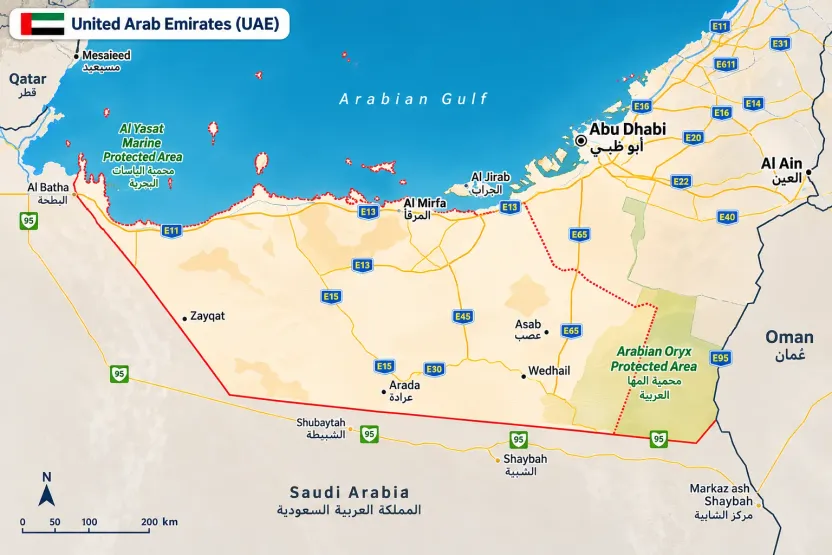
Al Dhafra stretches west and south from Abu Dhabi city. Madinat Zayed is around a two-and-a-half-hour drive away, while Ruwais sits along the western coast near the Saudi border and takes roughly three hours to reach. Liwa lies farther south among the dunes, around two hours from Madinat Zayed.
Three main roads carry most of the traffic through the region. The E11 follows the coast, linking Al Dhafra with Abu Dhabi city and continuing west towards the Saudi border. The E65, also known as the Abu Dhabi–Liwa Road, runs south through Madinat Zayed and into the date-growing areas around Liwa. Smaller highways then branch off towards Ghayathi and the coastal settlements.
Transportation and parking in Al Dhafra
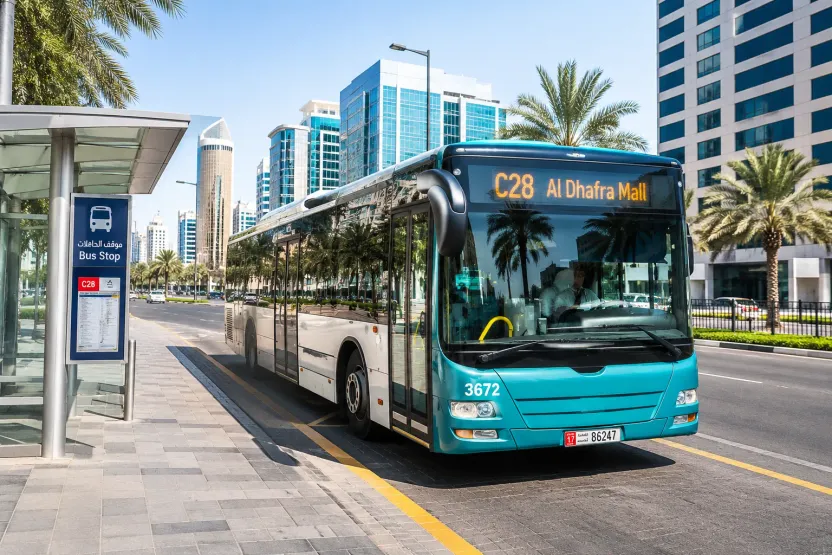
A car is essential in Al Dhafra. Distances between towns are long, and there is no metro or dense public transport network. Roads are wide, fuel costs are relatively low, and traffic is generally light once you leave the main town centres.
Parking is rarely an issue. Villa compounds and apartment buildings usually provide their own spaces, while shops, mosques and clinics typically have open parking areas nearby. The congestion found in central Abu Dhabi is largely absent here.
Public transport connections in Al Dhafra
Public transport network
- Coaches link Abu Dhabi city to Madinat Zayed, Ruwais, and Ghayathi
- Local bus coverage inside the towns is thin, so private cars do the daily work
- Coach fares from the capital are low, a few dirhams each way
Taxis and ride-hailing
- Booked taxis operate in the larger towns like Madinat Zayed and Ruwais
- App-based ride-hailing coverage drops off fast outside the main centres
- Long trips get arranged by phone rather than an app pin
Roads and private vehicles in Al Dhafra
- The E11 coastal highway connects the region to Abu Dhabi city and the western coast
- The E65 runs south to Liwa through Madinat Zayed
- Petrol stations space out along the highways, so a full tank before a long leg is smart
- Desert stretches have no lighting at night, and camels wander near the road, so evening drives call for care
Towns in Al Dhafra
Al Dhafra is split into towns, not gated precincts. Each one grew around a specific job. Prices below are rough guides for rentals, since sale stock is scarce and most homes come through employers rather than the open market.
Who is Al Dhafra best for?
Al Dhafra suits a particular type of resident: someone whose work takes them west, who values quiet and space, and who is comfortable trading nightlife and large shopping centres for open desert surroundings and a slower pace.
It is less suited to anyone looking for a freehold investment apartment, a short commute to central Abu Dhabi, or a wide choice of dining, retail and entertainment nearby.
Families
Families can settle comfortably in the larger towns. Madinat Zayed has schools offering American and British curricula from kindergarten through to Grade 12. Ruwais was developed with a full residential community for refinery staff, including schools, a hospital, parks and sports facilities.
Homes also tend to offer more space, often with private gardens, giving families the kind of room associated with Abu Dhabi’s established villa communities but at a quieter pace and generally more accessible price point.
Oil and gas workers
This is one of the main resident groups in Al Dhafra. Ruwais and the surrounding industrial areas employ thousands of people, and much of the housing is arranged directly through employers. For many residents, the search therefore starts with their company or HR team rather than a property portal. Compounds often include facilities such as gyms, swimming pools and shops within the community.
Nature lovers
Liwa is one of Al Dhafra’s biggest draws. Its dunes are among the tallest in the world, and the annual December festival attracts drivers, campers and visitors from across the UAE. For anyone exploring places to visit in Abu Dhabi, Liwa stands out for the sheer scale of its desert landscape.
Investors
Al Dhafra is not a typical investor-led market. Open-market transaction volumes are limited, which makes it difficult to establish a reliable rental yield benchmark. Much of the housing is allocated through employers, while future price growth is more closely tied to industrial and infrastructure development than to broad buyer demand. Investors focused on rental income are more likely to look towards Abu Dhabi’s established investment zones.
Renters
Renters can get considerably more space for their budget in Al Dhafra. Villas that would command much higher rents in areas such as Saadiyat Island are generally more accessible here. The trade-off is choice: listings are limited, turnover is slower, and some of the better housing stock is arranged privately or through employers rather than reaching the open market.
Property types in Al Dhafra
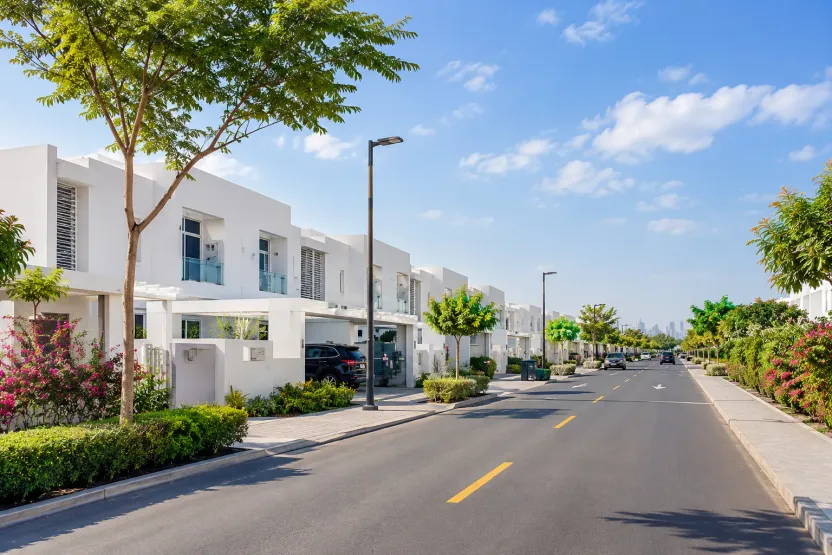
The housing stock is mainly made up of villas, compound accommodation and low-rise apartment buildings. High-rise towers and major off-plan launches are far more common closer to Abu Dhabi city. Many residents rent their homes, while a significant share of accommodation is arranged through employers.
Properties for sale are limited, so the figures below focus on rental prices, which provide a clearer picture of the active market in Al Dhafra.
Villas in Al Dhafra
Apartments in Al Dhafra
Property market overview in Al Dhafra
Al Dhafra’s open sales market is limited, as much of the housing is linked to employers and relatively few properties change hands publicly. Rental prices vary by town and property type, with a compound home in Ruwais priced differently from a villa in Madinat Zayed. Demand is driven more by employment, industry and local development than by investor activity.
Schools in and around Al Dhafra
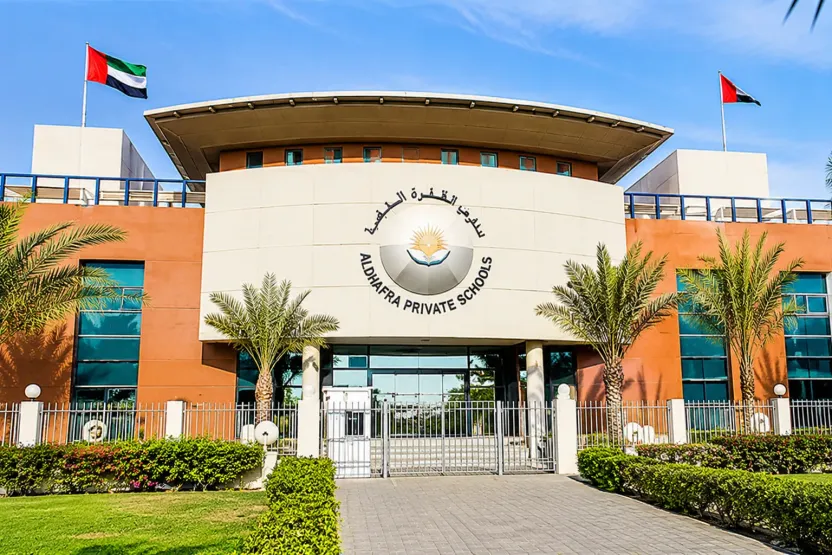
School choice is more limited than in central Abu Dhabi, but the main towns offer options from early years through to secondary school.
Families looking for a wider choice of curricula may want to factor the more limited school options into their decision before moving to Al Dhafra.
Clinics and hospitals in and around Al Dhafra
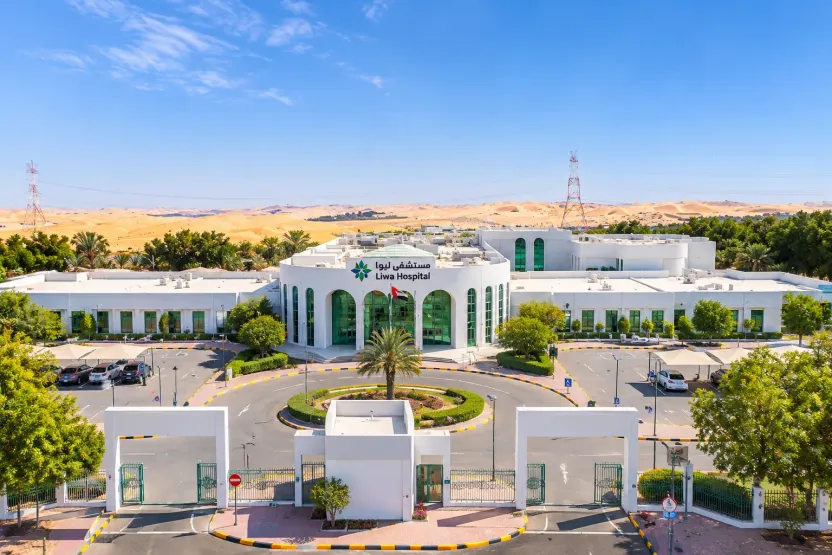
Healthcare facilities across the main towns cover most day-to-day needs, with larger hospitals and medical centres in Madinat Zayed and Ruwais. More complex or specialist treatment may require travel to Abu Dhabi city.
Pharmacies in and around Al Dhafra
Pharmacies are available across the main towns, often close to hospitals, clinics and the main shopping areas.
Pros and cons of living in Al Dhafra
Al Dhafra trades city convenience for space, calm, and low costs. It rewards people whose life or work already points west and frustrates anyone who needs the capital's pace.
Pros of living in Al Dhafra
- Large villas and compound homes at rents well below the city
- Quiet towns with clean air and almost no traffic
- Liwa dunes and open desert on the doorstep
- Stable community built around long-term postings
- Easy parking and short local errands everywhere
Cons of living in Al Dhafra
- No metro and thin public transport, so a car is essential
- Long drives to reach the capital's malls, hospitals, and airport
- Very little freehold stock and almost no investment market
- Narrow school and healthcare choices next to the city
- Limited dining, retail, and nightlife
Nearby landmarks
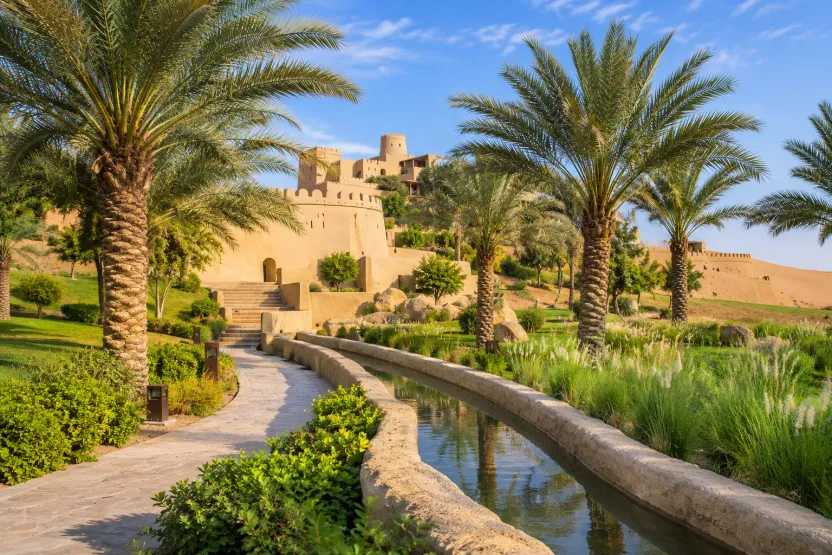
Key spots reachable from Al Dhafra towns. Travel times shift depending on which town you start from and on traffic.
Al Dhafra is a very different side of Abu Dhabi from the capital. It is vast, quiet and shaped by oil, gas, farming and the desert itself. Life here is centred more on space, stability and work than on high-rise living or investment returns.
A family relocating to Ruwais can find larger homes and an established community, while nature lovers have Liwa’s dunes within reach. For investors, however, opportunities are far more limited because the open sales market is small and much of the housing is tied to employers.
Anyone considering a move west should compare Al Dhafra’s more accessible rents and larger homes with the higher prices and wider choice available in Abu Dhabi city. The two markets serve very different lifestyles. betterhomes can help residents and buyers compare current options and follow wider real estate insights across the emirate.
تفاصيل الموقع
Frequently asked questions
Is Al Dhafra a good place to live?
+−
It depends on why you are there. Al Dhafra suits families and workers tied to the western towns, especially around Ruwais and Madinat Zayed. Homes are large, rents are low, and life is calm. It suits investors and city lovers poorly, since stock is thin and the capital is hours away. Anyone comparing options can browse properties for sale in Abu Dhabi to see how city pricing stacks up against Western rents.
Can you buy property in Al Dhafra?
+−
Buying is limited. Al Dhafra was built around industry and government housing, not freehold sales, so open market purchase stock is scarce. Most residents rent or live in employer housing. Buyers who want title deeds and resale value look toward the capital's designated zones. A quick scan of villas for sale in Abu Dhabi shows the freehold product that the western region mostly lacks.
What is Al Dhafra known for?
+−
Oil, gas, dates, and dunes. Ruwais holds one of the world's largest refining and petrochemical complexes. Liwa grows dates on the edge of the Empty Quarter and hosts a famous desert festival. Mirfa runs coastal power projects. The region carries most of the emirate's hydrocarbon reserves, which is why so much of its housing links back to industry.
How far is Al Dhafra from Abu Dhabi city?
+−
Madinat Zayed is about two and a half hours west by road. Ruwais is closer to three hours, and Liwa is two hours south of Madinat Zayed. A private car beats the thin coach network for the trip.
Is Al Dhafra a good place for families?
+−
Yes. Madinat Zayed and Ruwais offer schools, hospitals, parks, and big homes with gardens at low rents. The trade-off is a narrower school and retail choice than in the city.
What jobs are in Al Dhafra?
+−
Mostly oil, gas, and heavy industry. Ruwais holds a huge refining complex, Madinat Zayed handles government work, Liwa runs on farming, and Mirfa hosts power projects. Much of the housing is tied to these employers.
Which town in Al Dhafra is best to live in?
+−
Madinat Zayed for services and schools, Ruwais for refinery families, Liwa for farm life and desert. The right pick follows the job, and buyers can weigh the space against city pricing through villas for sale in Abu Dhabi.
احصل على نصيحة الخبراء حول Al Dhafra
تواصل مع خبرائنا المحليين لمعرفة المزيد عن العيش أو الشراء أو الإيجار في Al Dhafra.
احجز مكالمة مع مختص المنطقة
ليش تختار خبرائنا؟
- • معرفة عميقة بالسوق المحلي
- • توصيات مخصّصة لك
- • استشارة مجانية
- • نصيحة بدون أي التزام
عقارات في Al Dhafra
لا توجد عقارات للبيع في Al Dhafra حالياً.
تحقق لاحقاً أو استكشف مناطق أخرى.