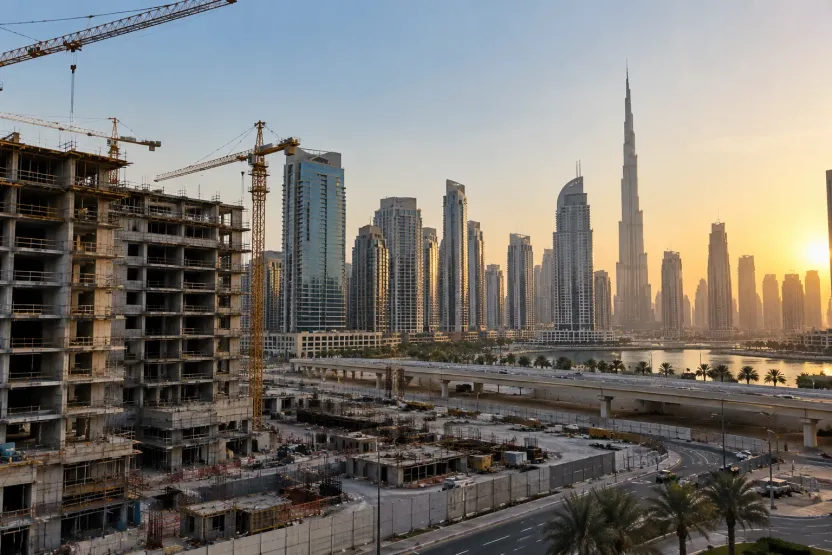
Managing delayed residential development in a thriving 2026 real estate market
Dubai's residential property supply could rise by around 20% over the next two years, with apartments expected to account for much of the increase, according to S&P Global Ratings. The forecast has raised questions about future prices, rental returns, and the risks facing buyers whose off-plan homes have yet to be completed. Additional supply could put pressure on prices and rental returns in some locations. Buyers concerned about stalled projects should check their legal rights, understand escrow protection, and assess their financial options before deciding.
Key takeaways
- Verify project progress through official Dubai Land Department (DLD) records.
- Review your sale and purchase agreement before taking action.
- Escrow rules provide protection in qualifying circumstances, not automatic refunds for every delay.
- DLD and RERA channels can help address regulatory complaints.
- Rising supply makes realistic rental and resale estimates important.
Why are off-plan delays a growing concern?
Dubai's expanding housing supply could affect investor returns, especially when several similar apartment projects complete at the same time. For buyers, delays may mean extra rent, postponed rental income or changes to mortgage plans. Recent Dubai real estate news highlights the importance of assessing individual developments alongside wider market forecasts. Rising supply does not mean every project will struggle, so verify the facts before making assumptions.
1. Check your project's official status
Start with the Dubai Land Department (DLD). Its project status enquiry service, available on the official website and in the Dubai REST app, helps buyers check registered project information.
What you should review:
- Reported construction progress and completion details.
- Developer registration and project information.
- Available escrow account details.
- Official remarks or recorded updates.
Use the DLD’s Project Status Enquiry to begin your check. Compare the available information with your contractual handover date. Contact the developer in writing if progress appears limited. Request an explanation, an updated construction schedule, and a revised completion estimate.
2. Review your sale and purchase agreement
Your sale and purchase agreement (SPA) sets out important contractual obligations.
Check the following clauses:
- Handover date: Identify the original deadline and permitted extensions.
- Delay provisions: Review any remedies or compensation terms.
- Notice requirements: Check how the developer must notify you about changes.
- Termination rights: Understand the conditions and procedure for cancellation.
- Payment milestones: Confirm upcoming instalments and their contractual requirements.
A missed handover date does not automatically entitle you to cancel the purchase or recover every payment. Your rights depend on the agreement, applicable law, and project circumstances. Consult a UAE property lawyer before stopping payments, sending a formal notice, or accepting a settlement.
3. Understand Dubai's escrow protection
Dubai Law No. 8 of 2007 regulates escrow accounts for off-plan developments. Buyers' payments go into a designated account for the registered project, which helps protect funds intended for construction.
Article 15 requires the escrow agent to consult DLD and take the necessary steps to protect buyers' funds when an emergency prevents the developer from completing the project. The agent must work to complete the project or refund buyers' payments, as applicable.
Things to check:
- Verify available escrow details through official records.
- Keep receipts for every instalment.
- Request written updates about construction and payment milestones.
- Seek legal advice if you suspect misuse of funds.
Escrow protection does not guarantee an immediate refund whenever a developer misses a deadline. The outcome depends on the project's circumstances and applicable procedures.
4. Contact DLD or RERA if problems continue
If the developer fails to respond or you suspect a regulatory violation, use the appropriate DLD complaint channel. Prepare your SPA, payment receipts, correspondence, project details, and evidence supporting your complaint.
Regulatory complaints and contractual disputes follow different routes. A complaint about a possible regulatory violation doesn’t automatically secure compensation or cancellation. Ask DLD which process applies, and obtain legal advice if you need to enforce contractual rights.
5. Reassess your finances and investment
A delay can increase expenses and change your expected returns. Review your cash flow, upcoming instalments, current housing costs, and mortgage arrangements.
Check rental demand and recent comparable transactions before revising your investment plans. An apartment for rent in Dubai may face additional competition when new buildings enter the market. Similarly, an apartment for sale in Dubai may attract different offers as comparable completed units become available.
Researching off-plan projects in the UAE requires more than comparing launch prices. Examine competing developments, expected completion dates, local rental demand, and resale activity. An experienced real estate agent in Dubai can help you assess market evidence, but avoid relying on promised returns.
6. Decide your next step carefully
After checking the records, contract, and finances, compare your realistic options. You may wait for credible construction updates, seek legal advice about your rights, or reassess the property's investment potential.
Review any revised payment plan or settlement before signing. Verify claims about stalled developments through official records, and avoid making decisions based solely on rumours or other buyers' experiences.
What does Dubai law say about delayed off-plan projects?
Dubai Law No. 13 of 2008, as amended by Law No. 19 of 2020, together with Dubai Law No. 8 of 2007, governs key aspects of off-plan sales, project cancellations and escrow protection.
Buyer rights:
Check your SPA for the contractual handover date, permitted extensions and remedies. If the developer misses the deadline, ask for a written explanation and check the project's status with DLD. You may seek legal advice about contractual remedies, compensation or termination, depending on the circumstances.
Grace period:
The 30-day grace period in Article 15 of Executive Council Resolution No. 6 of 2010 concerns a buyer's failure to meet contractual obligations, not a developer's delayed handover. Dubai law does not establish a universal 30-day or 12-month waiting period that every buyer must observe before taking action over a delay.
Developer penalties:
Authorities may take regulatory action against developers who breach applicable laws. However, a missed handover date does not automatically trigger a fixed fine or compensation payment to the buyer. Any compensation or termination remedy depends on the contract, applicable law and the facts of the case.
If DLD cancels the project:
Article 11(b) of Law No. 13 of 2008, as amended in 2020, requires the developer to refund all buyer payments when RERA issues a final, reasoned project cancellation decision, following the procedures under the escrow law. DLD also states that its liquidation department seeks repayment within 60 days of cancellation, subject to permitted extensions.
What should buyers do?
Check the project's official status, preserve payment records and written communications, and seek advice from a UAE property lawyer before cancelling the SPA or withholding instalments. Contact DLD to establish the appropriate complaint or dispute process.
Conclusion
A delayed off-plan property can create financial pressure and disrupt important plans. Start by checking the project’s progress, reviewing your SPA and understanding how Dubai’s escrow framework applies.
If you suspect a regulatory violation, contact the Dubai Land Department through the appropriate channel. For contractual disputes or claims, consider seeking independent legal advice.
With more supply entering the market, it is also important to keep rental and resale expectations realistic. If you are reviewing your next property move, betterhomes can help you explore the Dubai property market with guidance from experienced property professionals.
Frequently Asked Questions
Can a developer change the handover date after I sign an SPA?
+−
A developer may have extension rights under the signed agreement and applicable law. Check the precise wording, notice requirements and permitted reasons before accepting a revised completion date.
Can I appoint a lawyer before a delay becomes official?
+−
Yes. You can seek independent legal advice as soon as concerns arise. A lawyer can review your agreement, identify potential risks and explain the options available before the situation becomes more complicated.
Does a developer's financial difficulty automatically cancel my purchase?
+−
No. Financial difficulty alone does not automatically terminate your SPA or establish your refund rights. The project's legal status, contractual terms and applicable procedures determine what happens next.
Can I negotiate a revised payment schedule with my developer?
+−
You can request revised payment terms, but the developer does not have to accept them. Obtain approved changes in writing and ensure they do not weaken existing contractual protections.
Can a delayed project affect my planned mortgage?
+−
Yes. A delay may change borrowing timelines, interest costs or eligibility if your circumstances change. Ask your bank about approval validity, valuation requirements and expected disbursement dates.
What happens if my developer stops responding to buyers?
+−
Keep written records and verify the project's status through DLD. Seek advice from a UAE property lawyer, then identify the appropriate regulatory or judicial route for your specific circumstances.