Move-in and move-out inspections for landlords: how to protect yourself
Property inspections at the start and end of a tenancy can save landlords time, money, and stress. They record the property's condition, identify existing damage, and help both parties understand their responsibilities. Without a proper record, even a small disagreement about a stained carpet, damaged cabinet, or missing key can turn into a deposit dispute.
In Dubai and the wider UAE, landlords should treat inspections as an essential part of the rental process. A signed condition report, dated photographs, videos, and accurate meter readings provide useful evidence if disagreements arise after a tenant leaves. A good inspection does not need to be complicated. It needs to be thorough, fair and properly documented.
Key takeaways
- Complete a detailed inspection before handing over the keys and again after the tenant vacates.
- Record the condition of every room, fixture, appliance and supplied item.
- Use dated photographs, videos, a signed inventory and utility meter readings to support your report.
- Obtain signatures from both parties and give each person a copy of the final document.
- Use the inspection records to assess deposit deductions and support your position in a rental dispute.
Why move-in and move-out inspections matter
A move-in inspection establishes the property's original condition. A move-out inspection records its condition at the end of the tenancy. Comparing both reports helps you identify changes that occurred during the rental period.
Dubai's tenancy framework requires tenants to return a property in the condition in which they received it, subject to ordinary wear and tear and damage beyond their control. Landlords must also meet their responsibilities under the applicable tenancy rules and agreement.
Inspections help landlords separate three common situations:
- Pre-existing damage: A cracked tile or damaged wardrobe door already present when the tenant moved in.
- Ordinary wear and tear: Minor deterioration from normal residential use, such as reasonable carpet wear.
- Tenant-caused damage: A broken internal door, a large burn mark or a damaged fixture caused by misuse.
The distinction matters when assessing a security deposit. A landlord should not automatically charge a tenant for every defect found at the end of the tenancy. The original condition, the cause of the damage, the tenancy agreement, and applicable rules all matter. A reliable inspection record also helps landlords managing several properties, including apartments for rent in Dubai, by creating a consistent process across every tenancy.
When should landlords conduct inspections?
Plan two formal inspections during each tenancy.
Move-in inspection
Complete the inspection before the tenant takes possession, ideally after cleaning and any agreed repairs. Allow enough time to test appliances, check fittings and record defects. The tenant should have an opportunity to review the report and identify anything missed. If a defect appears after handover, record it promptly and keep the related correspondence.
Move-out inspection
Where practical, arrange the final inspection after the tenant has removed personal belongings and returned the keys. An empty property makes it easier to inspect walls, floors, cupboards and concealed areas. Compare the property with the original inspection report rather than expecting every surface to remain in new condition. Record any new damage separately from existing defects and normal signs of use.
If the tenant cannot attend, document the inspection date, retain photographs and send the report for review. Keep evidence of the invitation and subsequent communication.
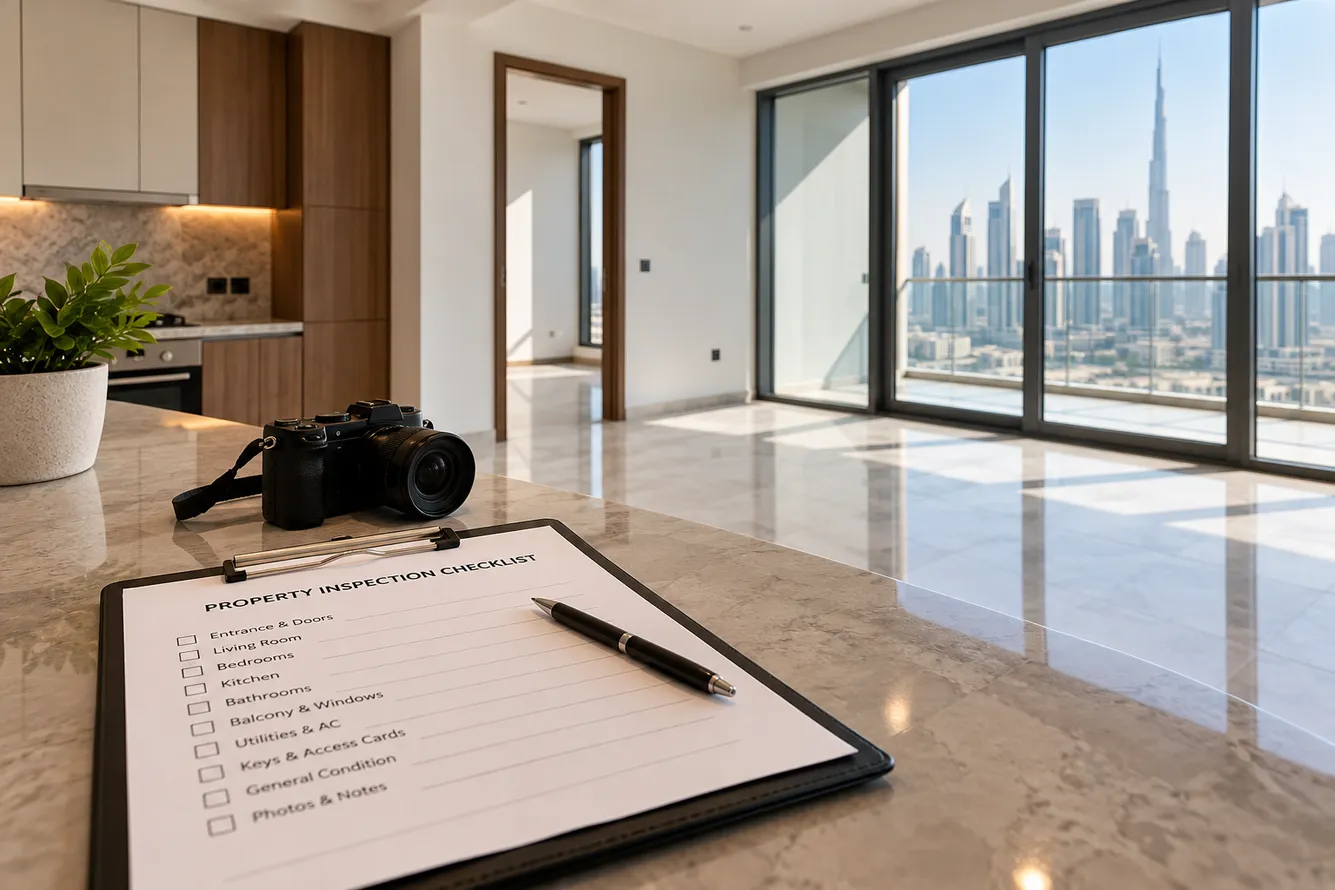
Room-by-room inspection checklist
Use the following checklist at both stages. Mark each item as satisfactory, damaged, missing or not applicable. Add notes wherever a closer explanation is needed.
Entrance, hallway and doors
- Check the main door, locks, handles, hinges and doorbell.
- Record scratches, dents, loose fittings and damaged frames.
- Test access cards, keys and any supplied security devices.
- Inspect hallway walls, skirting boards and flooring.
Living room and bedrooms
- Photograph walls, ceilings, paintwork and visible stains.
- Check floors for scratches, chips, cracks or carpet damage.
- Test windows, handles, blinds, curtains and balcony doors.
- Inspect wardrobes, drawers, shelves and built-in storage.
- Test lights, switches, sockets and air conditioning controls.
- Record supplied furniture and note its condition.
Kitchen
- Open cupboards and drawers to check hinges, handles and shelves.
- Inspect worktops, splashbacks, tiles and sealant.
- Test the hob, oven, extractor fan and other supplied appliances.
- Check the refrigerator, freezer and dishwasher, if provided.
- Inspect the sink, taps, drainage and visible pipework.
- Record leaks, water stains, damaged cabinets and missing accessories.
Bathrooms and toilets
- Test taps, showers, flush systems and drains.
- Inspect sanitary fittings, mirrors, cabinets and towel rails.
- Check grout, silicone seals, tiles and visible mould.
- Look for leaks beneath sinks and around toilets.
- Test ventilation and record any persistent dampness.
Balcony, windows and outdoor areas
- Check balcony doors, railings and floor surfaces.
- Record cracks, stains and damaged external fixtures.
- Test window locks and inspect accessible glass for damage.
- Note the condition of any garden, terrace or private outdoor area.
Utilities, air conditioning and shared items
- Record electricity and water meter readings where accessible.
- Check the air conditioning system and visible filters, where practical.
- Test supplied water heaters and other relevant equipment.
- List parking access cards, mailbox keys and building entry cards.
- Record remote controls, furniture, appliances and other supplied items.
Photograph defects from close-up and from a wider view. Add room names and specific descriptions to the checklist so the evidence remains useful months later.
How to document the property's condition
A written report is useful, but supporting evidence makes it much more reliable. Use several methods together.
Take dated photographs and videos
Photograph every room and important fixture during both inspections. Capture existing defects, not just the property's best features.
Follow a consistent process:
- Take wide photographs that show the room and the defect's location.
- Take close-up photographs to show scratches, stains, cracks or broken parts.
- Record a continuous video walkthrough where practical.
- Keep original files with their dates and metadata intact.
- Organise files by property, room and inspection date.
Do not rely on photographs alone. Pair them with written descriptions and the signed report.
Prepare a signed inventory
An inventory lists the property's supplied items and records their condition. It is particularly useful for furnished apartments and villas.
Include the following details:
- Property address and unit number.
- Landlord and tenant details.
- Inspection date and tenancy reference.
- Room-by-room condition notes.
- Furniture, appliances and accessories supplied.
- Existing defects and agreed repairs.
- Number of keys, access cards and remote controls.
- Signatures and dates for both parties.
Avoid vague descriptions such as "good condition" for every item. Write specific observations, such as "two scratches on the bedroom wardrobe door" or "oven tested and operating at inspection".
Record utility meter readings
Note electricity and water meter readings at the beginning and end of the tenancy. Photograph the readings where possible and keep relevant final bills or account closure confirmations. Accurate readings help establish the utility position at handover and reduce confusion about consumption after the tenant leaves. Record any inaccessible meter and arrange confirmation through the relevant utility provider if needed.
Why both parties should sign the inspection report
A signature confirms that the parties have reviewed the report and acknowledges the record made at the time. It helps reduce later disagreements about the property's original condition. Ask the tenant to check each section before signing. Invite written comments if the tenant disagrees with a description or believes an item has been missed.
The landlord should also sign the final document. A report prepared by only one party may still provide evidence, but a jointly reviewed and signed record is generally more useful for demonstrating what both parties saw and accepted. Give both parties a complete copy, including photographs and the inventory. Digital signatures and emailed copies can help maintain an organised record, provided the documents are retained in an accessible format.
A signature should not be treated as proof that every statement is automatically correct. Accurate observations and supporting evidence remain important. If either party refuses to sign, record the refusal, send the report by email and preserve the reply or delivery record.
How inspection reports help resolve deposit disputes and RDC claims
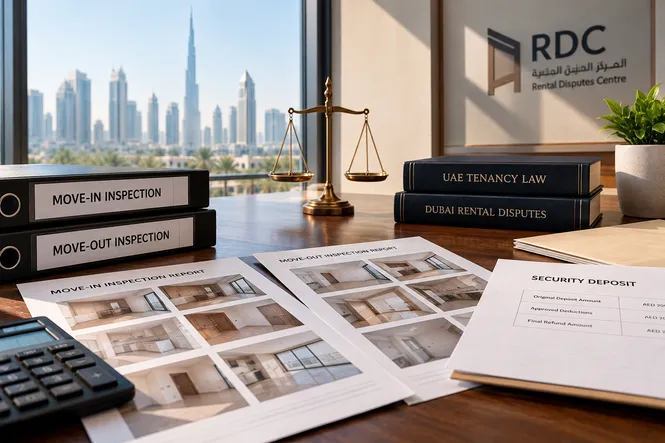
Security deposit disagreements commonly arise when a landlord identifies damage after the tenant moves out. The tenant may argue that the defect already existed, resulted from normal use or was not their responsibility. A move-in report sets the baseline. The final report shows the condition at handover. Photographs, inventories, repair records and correspondence help connect the two.
Suppose a landlord discovers a broken bedroom door at the final inspection. The original report shows an intact door, and dated photographs support that observation. The landlord can then obtain a relevant repair assessment and consider a reasonable deduction, subject to the tenancy agreement and applicable rules. By contrast, if the original report already records a damaged door, charging the tenant for the same defect would be difficult to justify.
Keep the following evidence together:
- Signed move-in and move-out reports.
- Original photographs and videos from both inspections.
- Receipts or records for supplied items.
- Maintenance requests and repair correspondence.
- Relevant invoices, estimates and proof of payment.
- Key handover records and final meter readings.
- The tenancy agreement and deposit payment evidence.
In Dubai, the Rental Disputes Centre (RDC), associated with the Dubai Land Department (DLD), handles rental disputes within its jurisdiction. If a disagreement proceeds to a formal claim, a landlord or tenant may need to present supporting documents. An inspection report does not guarantee a particular outcome. The decision depends on the evidence, the applicable legal framework and the facts of the dispute. Keep claims factual and avoid charging for ordinary wear and tear without a valid basis.
Landlords who work with property management companies in Dubai should ensure their managers follow the same evidence process for every property. Accurate inspection records can also support professional communication with tenants and help protect the landlord's position. Working with a top real estate agency in Dubai can help landlords coordinate property inspections, maintain accurate records, and manage tenant handovers more efficiently.
Common inspection mistakes landlords should avoid
Small oversights can weaken an otherwise useful report.
Watch out for these mistakes:
- Skipping the move-in inspection: Without a reliable starting record, it becomes harder to prove when damage occurred.
- Taking unclear photographs: Images without context may not identify the room, item or exact defect.
- Using vague notes: Write specific descriptions instead of general comments such as "property damaged".
- Ignoring existing defects: Record problems even if repairs are planned after handover.
- Charging for normal wear: Assess the cause and extent of deterioration before considering a deduction.
- Failing to confirm key return: Keep a dated record of when possession was handed back.
- Delaying the final inspection: Inspect promptly after the property is vacated and document any delay.
- Losing supporting documents: Store reports, images, invoices and messages in one secure folder.
A consistent process also helps tenants who use Ejari registration as part of their Dubai tenancy arrangements. Registration and inspection records serve different purposes, so keep both the tenancy documents and condition evidence properly organised. Landlords who follow Dubai real estate news can keep up with rental market developments and changes to official tenancy guidance, helping them review their property management practices when needed.
Landlords can also seek help from real estate agents in Dubai or a qualified property manager to arrange inspections, prepare inventories and coordinate repairs. Choose a provider that records evidence carefully and understands the landlord's obligations.
Conclusion
Move-in and move-out inspections give landlords a practical way to protect their property and reduce disputes. A detailed checklist, dated photos, video evidence, signed inventory and meter readings establish a reliable record of the property's condition. Review both reports before making any deposit deductions, and keep supporting documents in case a disagreement reaches the RDC. Fair assessments and accurate records help protect the interests of both parties.
If you need help managing a rental property, betterhomes can support you with professional property services and guidance throughout the tenancy process. Contact our team to discuss your property management needs and keep your rental arrangements organised.
Frequently Asked Questions
How long should a landlord keep property inspection reports?
+−
Landlords should retain inspection reports, photographs, inventories, repair invoices and handover records throughout the tenancy and for an appropriate period afterwards, especially if a deposit dispute or legal claim remains possible.