Everything you need to know about obtaining a dubai real estate investor visa
Buying property in Dubai comes with a bonus most first-time buyers don't expect. It can also qualify the owner for UAE residency. Recent data show just how popular UAE residency has become. GDRFA figures reported by Gulf News show that Dubai granted 66,000 Golden Visas and issued over 1.052 million new residency permits during the first half of 2026.
As demand has grown, Dubai has expanded the residency options available to property buyers. One provides long-term residency through the 10-year Golden Visa, while the other offers a 2-year property investor visa for eligible property owners. Recent regulatory changes have altered the eligibility requirements, particularly for sole owners applying for the 2-year visa.
This guide breaks down Dubai’s two property investor visa pathways, updated with the latest 2026 legal framework changes, exact fees, and processing timelines.
Key takeaways
- The 10-year Golden Visa requires AED 2 million in qualifying property.
- The 2-year property investor visa has no minimum value for sole owners.
- Off-plan properties are only eligible for the Golden Visa, subject to the applicable rules.
- Mortgaged properties can qualify, provided the required lender documentation is submitted.
- Valuation errors, expired bank NOCs, and missed deadlines result in application delays or rejection.
Dubai property visa options at a glance
Both visas are based on property ownership and do not require employment in the UAE, employer sponsorship, or a local sponsor. The main differences relate to the required investment value, eligible property types, ownership structure, and sponsorship benefits.
AED 2 million golden visa requirements in Dubai

Buyers who own property worth at least AED 2 million can apply for Dubai's 10-year Golden Visa. Eligibility is evaluated using the official property valuation recorded by the Dubai Land Department, so capital appreciation on an older property can be used to meet the threshold even if the original purchase price was lower. If a property's current value has dropped, the DLD will still accept the purchase price printed on the original Title Deed.
A single property can meet the requirement, or several properties can be combined if their total purchase value reaches AED 2 million. Off-plan properties in Dubai also qualify, on the condition that the project has approval from the Dubai Land Department.
What changed in golden visa rules for mortgaged properties?
Mortgaged properties qualify as well, and the rules changed in early 2026. The previous requirement to pay at least 50% of the property's value before applying no longer applies. Applicants now need a bank No Objection Certificate confirming the mortgage account is in good standing and that the lender has no objection to the Golden Visa application. The bank must also release or stamp the title deed for the application process.
Documents required for the Dubai Golden Visa
- Passport (valid for more than 6 months)
- Title deed or property status certificate issued by the DLD
- Personal photograph meeting Federal Authority requirements
- Emirates ID (if already issued)
- Bank No Objection Certificate (NOC) if the property has a mortgage
- Proof of health insurance issued within the UAE
Government fees for the Dubai Golden Visa
The estimated government cost for a single main applicant is approximately AED 9,885. The total covers the visa processing fee along with the government charges listed below.
- Dubai Land Department fee: AED 4,020
- Residency permit confirmation: AED 2,856
- Administrative and processing fees: AED 1,155
- Emirates ID (10 years): AED 1,153
- Medical examination: AED 700
Golden Visa holders can sponsor their spouse, children, and parents through the same residency programme. Sponsoring a parent requires an additional government fee of AED 5,774 for a 10-year residency permit.
Dubai 2-year residency visa requirements
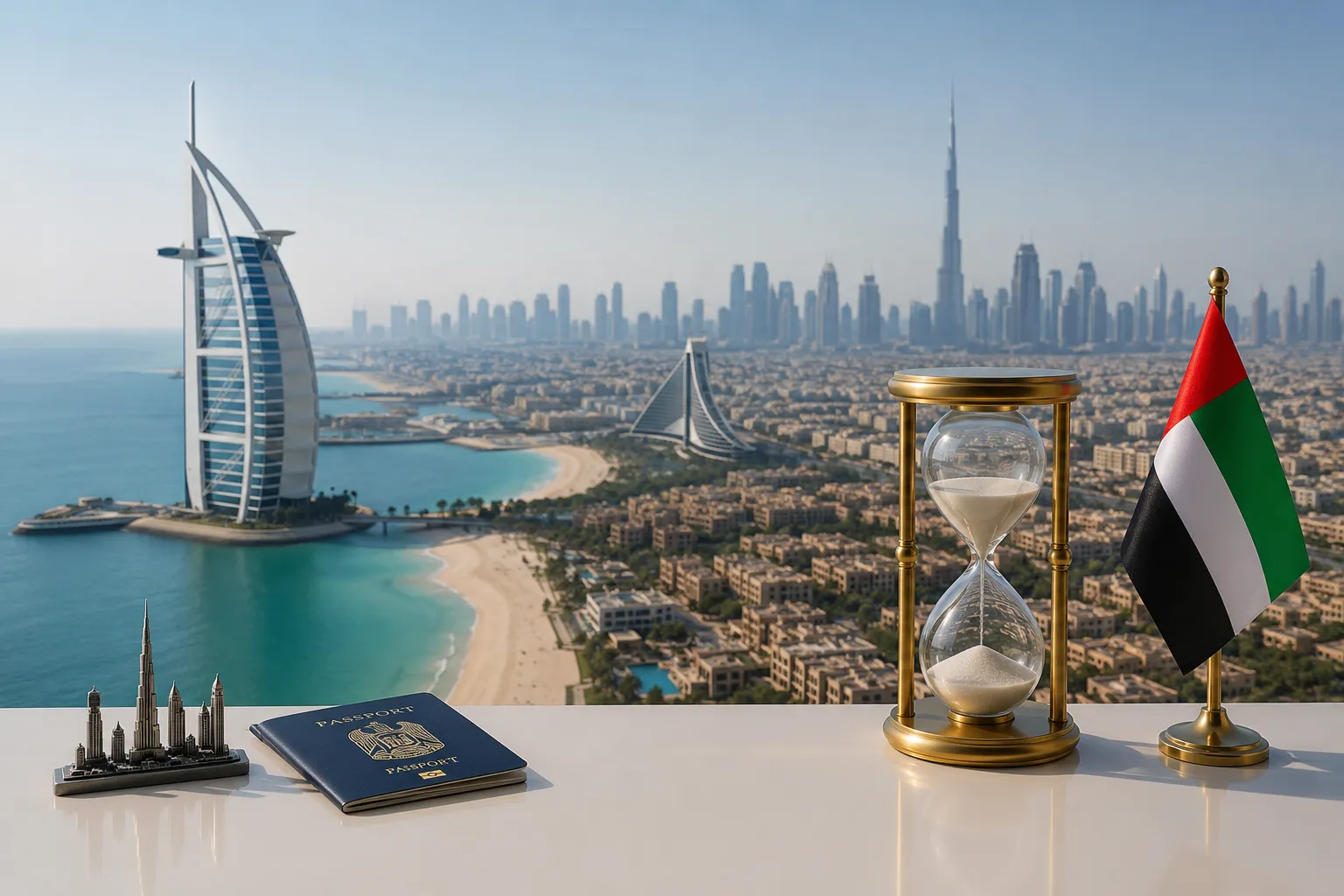
The 2-year real estate visa provides a residency option without the AED 2 million investment required for the UAE Golden Visa. Completed apartments, townhouses, and villas with an issued title deed qualify, whereas off-plan properties do not. Sole property owners no longer need to meet the previous AED 750,000 minimum property value following the new 2-year property investor visa rules. However, if the property is registered in joint ownership, each co-owner's registered share on the title deed must be worth at least AED 400,000 to grant visa eligibility.
Documents required for the 2-year property investor visa
- Passport with at least six months' validity
- Electronic copy of the title deed issued by the DLD
- Recent photograph of the applicant
- Emirates ID (for existing residents)
- Good Conduct Certificate from Dubai Police, addressed to the DLD
- Bank No Objection Certificate (NOC) if the property is financed
- Proof of a valid UAE health insurance policy
Government fees for the 2-year property investor visa
- New Investor Visa Application: AED 10,212
- Investor Visa Renewal: AED 8,215
- Family Sponsorship Registration: AED 318.75 (required once to open your family file)
- Visa renewal cost: Approximately AED 8,215
Family Member Sponsorship Costs
- Wife: AED 7,382
- Husband: AED 7,382
Children Over 18 Years Old
- Daughter: AED 7,182 (issued for 2 years)
- Son: AED 7,182 (issued for 1 year only)
Minor Children
- Children Under 18: AED 6,482
Applications take around 7 to 10 business days once all required documents have been submitted. The digital platform launched in April 2026 connects the Dubai Land Department and GDRFA through a single system. Many complete applications now receive approval in less than a week.
What do both investor visas in Dubai have in common?
Health insurance is mandatory and is not included in the government fees, so applicants should budget for it separately. The name on the passport, title deed, and all supporting documents must match exactly. Applicants from Iran, Pakistan, Iraq, Bangladesh, Libya, and Afghanistan must also provide a national identity card alongside their passport. The service centre appointment must be attended in person, as representatives and companions are not permitted.
What are the common mistakes that cause rejections?
Property investor visa applications are frequently delayed or rejected because of avoidable mistakes. Real-time data from the Dubai Land Department (DLD) and GDRFA highlights four common errors that trigger immediate rejections.
1. Miscalculating the Golden visa threshold using private appraisals
Applicants assume that if a property's market value rises above AED 2 million, a standard bank appraisal or real estate agency valuation report is enough to apply. This mistake causes immediate rejection because immigration authorities and the DLD strictly reject third-party valuations.
2. Submitting an expired bank no objection certificate (NOC)
Applicants with a mortgaged property must submit a valid bank No Objection Certificate (NOC) confirming the mortgage account is in good standing. These letters are issued with a limited validity period, so an expired NOC can delay the application or result in additional review. Obtaining a new NOC before submission helps avoid unnecessary processing delays.
3. Missing mandatory post-entry deadlines
After the entry permit is issued, applicants must complete the required medical fitness test and Emirates ID registration within the prescribed timeframe. Missing either requirement can result in the application being cancelled, with fresh government fees payable for a new application.
4. Applying with an off-plan property for the 2-year investor visa
The 2-year investor visa only accepts completed properties with an issued title deed. Applications based on off-plan purchases are not eligible and will not be processed until the property is handed over and ownership is officially registered. Buyers of approved off-plan projects may still qualify for the 10-year UAE Golden Visa, subject to eligibility.
Which Dubai property investor visa is right for you?
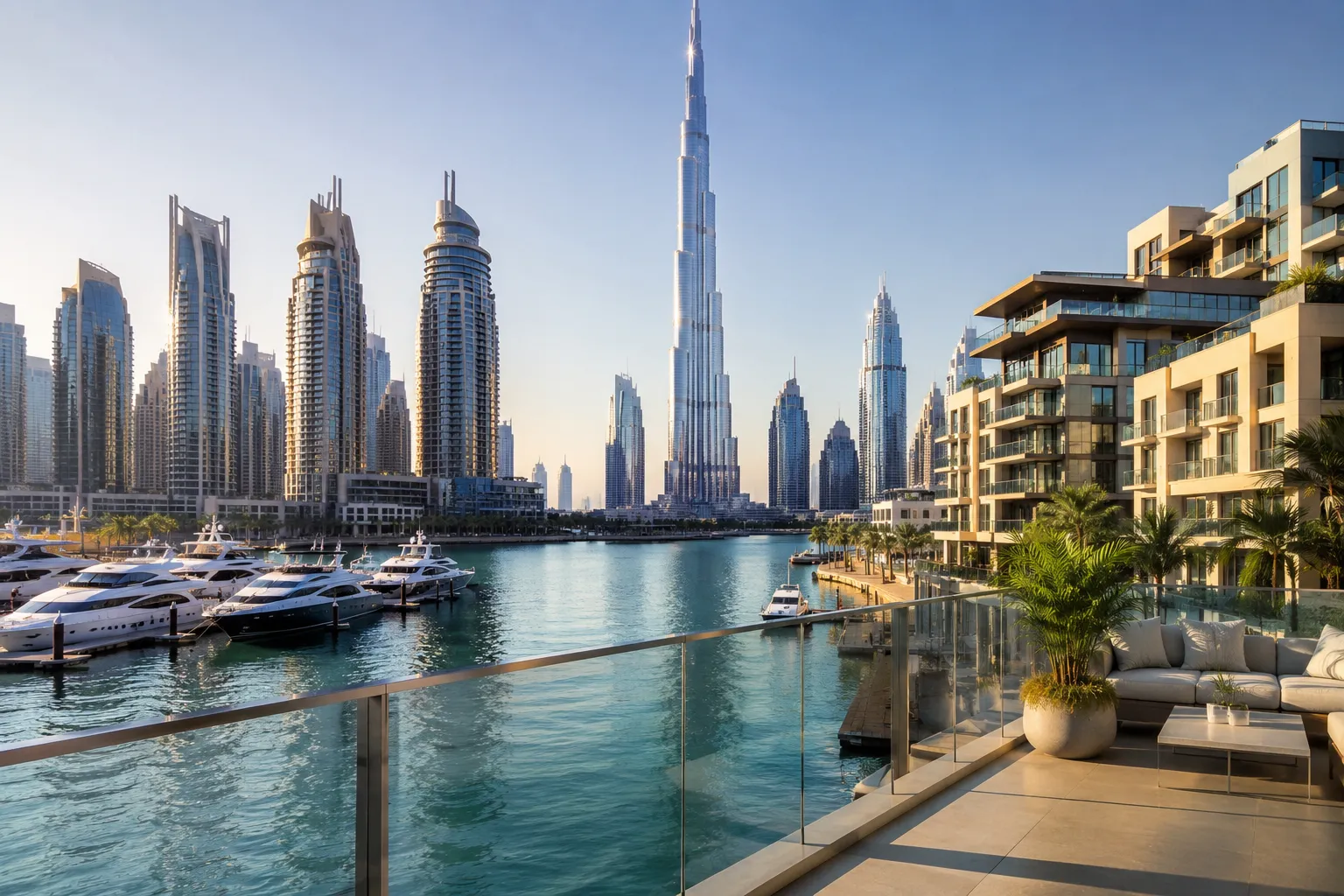
A buyer considering a studio for buy in Dubai in communities such as Jumeirah Village Circle (JVC) or Dubai Silicon Oasis can qualify for the 2-year visa, since the minimum property value requirement no longer applies to sole owners. Someone planning to buy a flat in Dubai in higher-value locations such as Downtown Dubai or Dubai Marina may qualify for the Dubai Golden Visa, if the property meets the requirements.
The right option depends on the property's value and your long-term plans. The Golden Visa offers a longer residency period, broader family sponsorship benefits, and greater flexibility for frequent travel. Buyers entering the market with a lower-value first purchase may find the 2-year residency visa a practical way to secure UAE residency while building their property portfolio.
Final thoughts
Dubai's property investor visas give buyers two distinct residency routes, each linked to a different level of investment. The Golden Visa suits higher-value purchases and long-term residency, while the 2-year visa offers an alternative for eligible buyers entering the market with a completed property. Choosing the right property is just as important as choosing the right visa. Purchase value, freehold eligibility, ownership structure, and mortgage documentation all influence the application. Overlooking any one of them can lead to unnecessary delays.
Every property investment relies on accurate market insight. As a top real estate agency in Dubai, betterhomes delivers expert insights through Dubai real estate blogs and offers a premium portfolio of listings to help secure an ideal investment visa.
Frequently asked questions
Can a 2-year investor visa be upgraded to a Golden Visa?
+−
Yes. An application for the Golden Visa may be submitted once the qualifying ownership requirements are met. Eligibility is assessed based on the regulations in effect at the time of application.
Does holding a Dubai property investor visa affect property ownership rights?
+−
No. Dubai's real estate laws govern property ownership rights and are separate from residency status. The visa provides legal residency, while ownership rights continue according to the title deed and applicable property regulations.
Does buying property automatically guarantee visa approval?
+−
No. Property ownership is only one eligibility requirement. The application must also satisfy the relevant immigration rules, ownership conditions, and documentation requirements before residency can be granted.
Can the qualifying property be rented out after the visa is issued?
+−
Yes. Qualifying properties may be leased after the visa is issued, if the owner complies with Dubai's tenancy regulations and any conditions attached to the property or mortgage.
What happens to the visa after the qualifying property is sold?
+−
Property investor visas remain linked to qualifying ownership. Selling the property may affect residency status if the eligibility requirements are no longer met. A replacement qualifying property may be required before ownership is transferred.
Can an application be submitted immediately after buying a property?
+−
The timing depends on the visa category and the property's registration status. Applications begin once the ownership requirements have been met and the necessary documents, such as the title deed and supporting paperwork, are available.
Are service charges considered when calculating visa eligibility?
+−
No. Service charges, registration fees, agency commission, and other purchasing costs are separate from the property's qualifying value. Eligibility is assessed according to the property ownership requirements for the selected visa category.