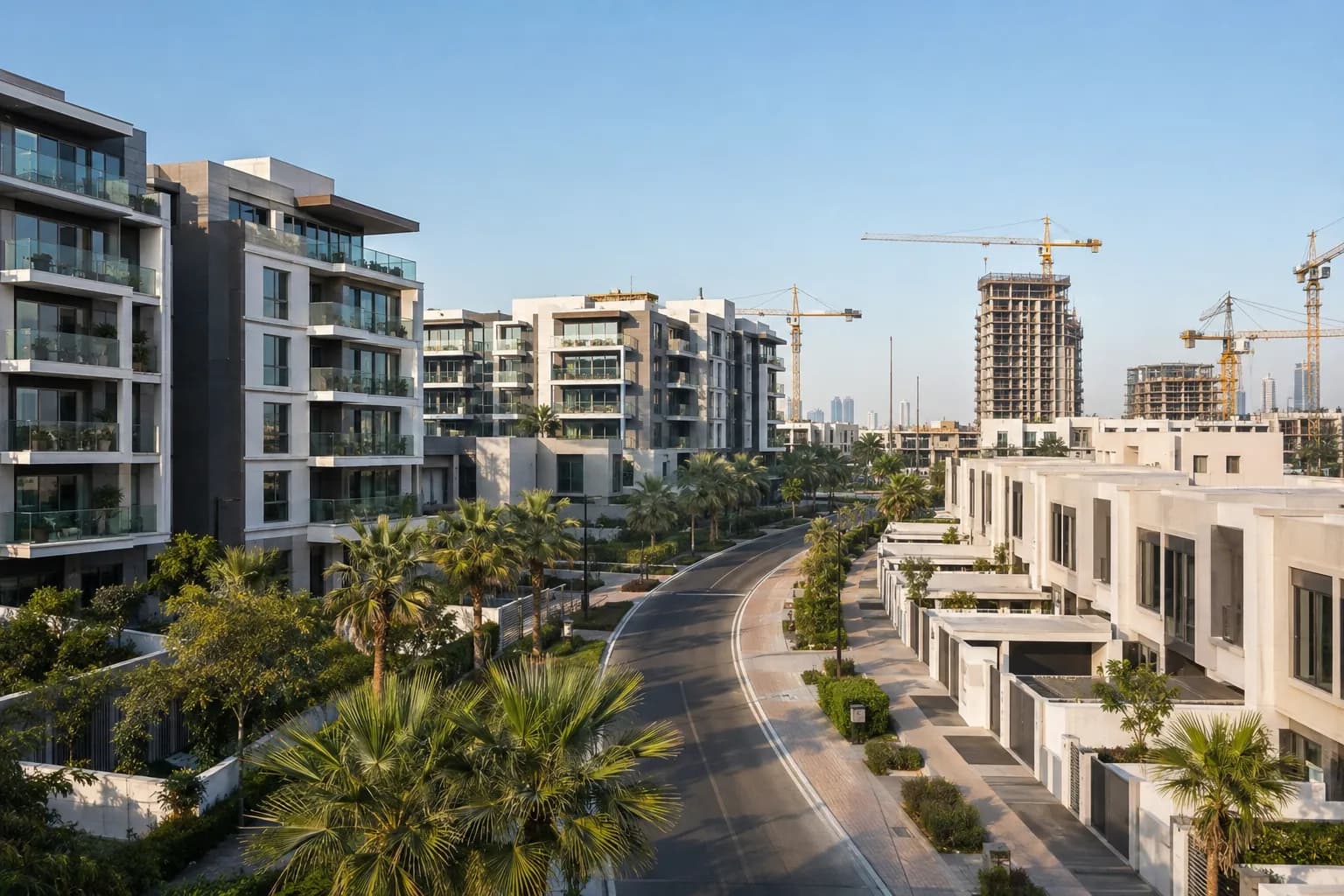
Dubai tenant and landlord rights in 2026
Knowing your rights is important when renting a property, whether you're a tenant or a landlord. Dubai’s real estate regulatory agency has created laws that outline the roles and responsibilities of tenants and landlords, like Nos. 26 of 2007, Nos. 33 of 2008 and Decree No. 2 of 2011. When both parties know the tenancy rules and each other’s rights, avoiding future issues and misunderstandings will be helpful.
This handy guide will introduce you to tenant and landlord rights in Dubai in 2026 to save you time.
RERA Tenancy Laws
RERA was established as an executive governmental body affiliated to DLD to supervise the application of tenancy laws relating to rented residential units in Dubai. It plays the role of supervising the relationship between landlords and tenants. The following are the main tenancy laws and regulations that every person should know:
- Law No. (26) of 2007 regulates the relationship between landlords and tenants in Dubai.
- Law No. (43) of 2013 specifically governs rent increases in Dubai.
- Law No. 26 of 2013 handles all rental disputes in Dubai.
- Law No. (33) of 2008 amends certain articles of Law No. (26) of 2007 and governs the landlord-tenant relationship in Dubai.
Tenants' Rights in Dubai

Renting a property in Dubai comes with perks and challenges. Even though Dubai offers a lavish lifestyle, amenities, and diverse housing options, tenants must be aware of their rights and legal protections in case of landlord disputes.
Maintenance and Repair
One of the most important things you should know as a tenant is that when you rent in Dubai, the landlord is responsible for all the property maintenance. However, this might vary depending on the contract.
Tenant Notice and Contract Implications
The tenant can vacate the property with one month's prior notice before completing the contract. However, in that case, the landlord is not obligated by the rule to refund any rent unless there is a clause in the contract that mentions the early termination scenario. Moreover, no law in Dubai governs the early termination of rental contracts. So, to be safe, you can add an early termination clause in the rental agreement outlining the notice period and penalty amount in case of early termination.
Contract Renewal
In Dubai, tenants have the right to renew their contracts 90 days before the contract expiry date after informing the landlord. If a landlord has no valid reason for eviction, the tenant has the right to stay in the property.
Tips for Moving Out of a Rental Property

Heading out of your rental? Here's what to remember for a smooth move:
- Review your lease agreement.
- Notify your landlord according to the terms of your lease. Mention when you are vacating the property.
- Conduct a thorough inspection to ensure that the property is in good shape and that you are not liable for any repairs.
- Take pictures of the property’s condition as proof that it is left in good shape.
- Coordinate with your landlord and arrange an inspection. Make sure to do your walk-out inspection with the landlord. Otherwise, discrepancies could be difficult to prove.
- Remove all your belongings.
- Return the keys.
- Get the security deposit back.
What to Do If Your Landlord Wants You Out
When tenants choose to renew their tenancy, RERA rules restrict how much landlords can increase the rent. This means that even when average market rents are rising quickly, landlords are restricted to only increasing the rent by a certain %.
Many landlords know they could charge a higher rent if they could evict their existing tenants and find new ones. This means there is a chance your landlord will try to evict you from the property. But what are your rights if this happens?
Article 25 of Law No.26 of 2007 states that there are only a few very specific reasons why a landlord can evict a tenant before the end of a tenancy agreement. These include:
- The tenant fails to pay rent within 30 days of being served a written notice from the landlord.
- The tenant subleases the property without the landlord's approval.
- The tenant uses the property for any purpose other than for which it was leased.
- The property is used for immoral or illegal activities.
- The tenant causes damage or makes unsafe changes to the property.
- The tenant fails to comply with the tenancy terms or the law.
- If the government requires demolition of the property for urban development.
Unless one of the above conditions is met, you cannot be evicted during the tenancy.
The landlord can seek to evict the tenant for one of the following reasons:
- The landlord wishes to reconstruct or demolish the property.
- Major maintenance or renovation is required, which cannot be done while the tenant lives there.
- The landlord wants to sell the property.
- The landlord wants to live in the property or have one of their first-degree relatives live there.
But, in the above examples, 12 months of written notice must be provided.
Suppose you feel that your landlord is attempting to evict you illegally and all attempts to communicate with them have failed. In that case, you can file an RERA complaint at the Dubai Land Department’s Rent Disputes Settlement Centre.
Your Rights as a Landlord

If someone wants to rent a property in Dubai, they should also acknowledge the rights of landlords. Both parties must sign a rental contract with Ejari to ensure that the landlords' rights in Dubai are not violated. So, below are the rights of landlords that every tenant must understand before moving into the rental property.
Eviction Rights
If you want to evict a tenant as a landlord, you are legally allowed to do so for failure to pay rent, lease violation, or redevelopment for your use. However, you must follow the official legal procedures through the Rental Dispute Settlement Centre (RDC).
Rental Income
Landlords have the right to claim the property rent on a certain monthly date as agreed by both parties in the signed contract. The utilities, including water, electricity, and gas expenses, are the tenant’s responsibility. Based on RERA regulations, if a property's current rent is 11% to 20% below the average market rent in Dubai, the landlord is entitled to increase the rent by a maximum of 5%. This potential increase must be verified and adjusted using the official RERA rent calculator to align with the current market value for similar properties. The landlord can also hike the property's rent at the end of the contract term, but must provide the tenant with a three-month notice in advance.
Maintenance Responsibilities
The landlord is responsible for major maintenance work, while the tenant can make minor repairs. The best way to avoid future disagreements is to be clear about the maintenance responsibilities each person is expected to take on.
Security Deposits
You can ask a tenant to pay a security deposit, which is standard at one or two months’ rent, in case of damages or violation of the lease agreement. If the property is returned in good condition, this deposit must be refunded at the end of the tenancy.
Conclusion
Knowing your rights and responsibilities is crucial for a smooth rental in Dubai. These aren't just assumed rights but actual legal entitlements designed to create a balanced and fair rental environment. These guidelines will enable landlords and tenants to lay the foundation of a healthy relationship and ensure that fair standards are followed in the future. These legal measures, like tenancy agreements, deposit protection, and clear maintenance roles, benefit tenants and landlords by establishing a transparent and secure relationship.
Looking to rent a property in Dubai? Discover our amazing selection of properties available to rent in Dubai.
You may also like: All About the DIFC Leasing Laws in Dubai
Frequently Asked Questions
How can landlords protect themselves from tenant disputes?
+−
To ensure legal compliance and mitigate potential risks in your rental property management, it is advisable to:
- Formalise tenancy agreements through Ejari registration.
- Implement comprehensive tenant background verification processes.
- Establish unambiguous contractual terms and conditions.
- Maintain meticulous records of all communications and transactions.
What is a real estate escrow account?
+−
It is the bank account of the real estate project in which the amounts are deposited from the purchasers of the real estate units sold off-plan or the sums that will be deposited by the project financiers or by the developer.
Can landlords increase rent during the tenancy?
+−
No. Rent increases can only occur at lease renewal, and landlords must provide tenants at least 90 days’ written notice. All increases must align with RERA’s Rental Index.
Can a landlord enter the property in the absence of the tenant?
+−
No, they cannot. Once the property is leased, the landlord can only enter the premises with the tenant’s permission unless the tenancy contract includes an access clause that allows otherwise.
What is the Rent Application Process?
+−
The rent Application process includes the following steps:
- Shortlist property listings
- Visit the property
- Make an offer
- Reserve the property
- Sign the agreement
- Register contract with EJARI
- Move In
Are there any clauses I can use to break my contract?
+−
Under Law 33 of 2008, you can end your tenancy agreement early. You need to check the terms of your contract. Look for a clause that allows for early termination. If such a clause exists, it will likely outline any conditions or fees associated with leaving before the agreed-upon end date. Without an early termination clause, your landlord may seek compensation if you vacate the property prematurely.
Can my landlord evict me before my tenancy agreement is completed?
+−
No, your landlord cannot evict you before completing your tenancy agreement. Your landlord can only ask you to vacate through a 12-month written notice sent via registered mail or a notary public.
What are my rights as a tenant in Dubai when the landlord's unpaid service charges restrict access to communal amenities?
+−
If your landlord has failed to pay the service charges, the first step is to contact them to discuss the problem. If they fail to make the payment, you may be able to seek legal recourse. The Dubai Rental Disputes Settlement Centre can be contacted at 600 555 556.