Portugal real estate: market trends & ROI
Portugal has become a place investors talk about when they want something secure yet enjoyable. People in Dubai who already know the power of real estate are looking toward Europe, and Portugal stands out for good reasons. The market has been steady, rental demand comes from locals, expats and travellers, and prices are within a range where long-term growth feels realistic. On top of the investment case, safe cities, friendly communities, beautiful coastlines and a relaxed way of living add a lifestyle appeal that’s hard to ignore.
If you’re exploring real estate that supports long-term returns, offers rental income potential, and gives you the option of a holiday home at the same time, Portugal deserves a place on your shortlist. Here’s a look at how the market is performing today, where the strongest returns are coming from, and what buyers should know before stepping in.
About Portugal
Portugal sits on the Iberian Peninsula in south-western Europe, right next to Spain, with the Atlantic Ocean running along its western and southern shores. It spans 92,090 square kilometres and includes 1,798 kilometres of coastline, so access to the sea is never too far away. More than 10 million people live there under a stable and democratic government. As a member of the European Union and the Schengen Area, Portugal also provides the benefit of free movement across many other European countries.
The country is organised into 18 districts and 308 municipalities, each with its own character and pace of life. Lisbon, the capital, sits on the western coast and acts as the main centre for business, culture and tourism, while Porto in the north stands out for its strong economy and historic charm. The rest of Portugal has a wide spread of coastal towns and inland communities that give residents choices ranging from lively urban living to quiet seaside days.
Quick Facts
Population
10.4 million
Capital City
Lisbon
Main Language
Portuguese
Time Zone
Portugal observes daylight saving time and has two time zones.
UTC+00:00 (Continental Portugal and Madeira)
UTC–01:00 (Azores)
Currency
Euro (EUR)
The Current Real Estate Landscape in Portugal
These days, Portugal’s property market is kind of hard to ignore. Prices have been climbing for a while. Across the country, demand is strong, driven by locals, foreigners, tourists, and people who move there for work or study.
According to a report from Trading Economics, house prices in Portugal rose by 17.2% year-on-year in mid-2025. In the last quarter of 2024 alone, prices increased by 11.6% compared with the same quarter a year earlier. At the same time, supply is trying to catch up. New projects across the country are aiming to meet growing demand.
Rental demand in Portugal is still holding up, though with a few notable shifts. The national gross rental yield for 2025 is around 4-6% when you buy a property to rent out. Big cities like Lisbon and Porto have active rental markets, and growing numbers of remote workers and expats are helping support demand for mid- to long-term furnished rentals.
Foreigners and investors looking for second homes, rental properties, or long-term assets see clear appeal. Stable demand from tourism, international residents, remote workers and global mobility helps keep occupancy and interest high. All in all, prices are rising, demand is broad (not just one group), and new supply is entering the market.
Where Investors See the Strongest ROI
Lisbon

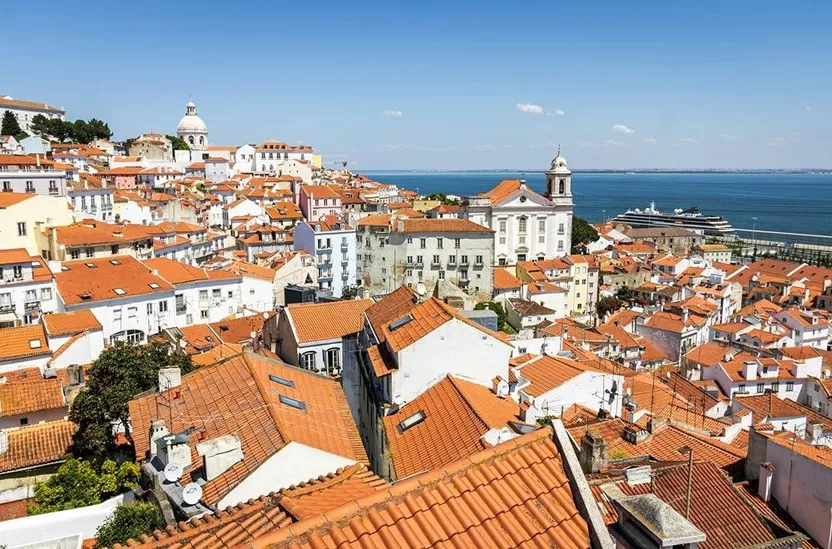
Lisbon is the capital of Portugal and the country’s busiest economic hub. Investors usually start their research here because there’s always someone looking to rent in Lisbon. That stability alone makes it easier to forecast returns.
People come to work for international companies, study at major universities, or spend a few months living in a European city that’s safe and sunny. The mix keeps demand strong year-round, not just in summer. When a tenant moves out, there’s usually another ready to step in. That’s why many landlords see Lisbon as the safest real estate market in the country.
Prices can feel higher than in other Portuguese cities, especially in historic or waterfront districts. But investors who focus on solid rental flow don’t mind paying more upfront for a location that rarely sits empty.
Lisbon Market Snapshot
Porto
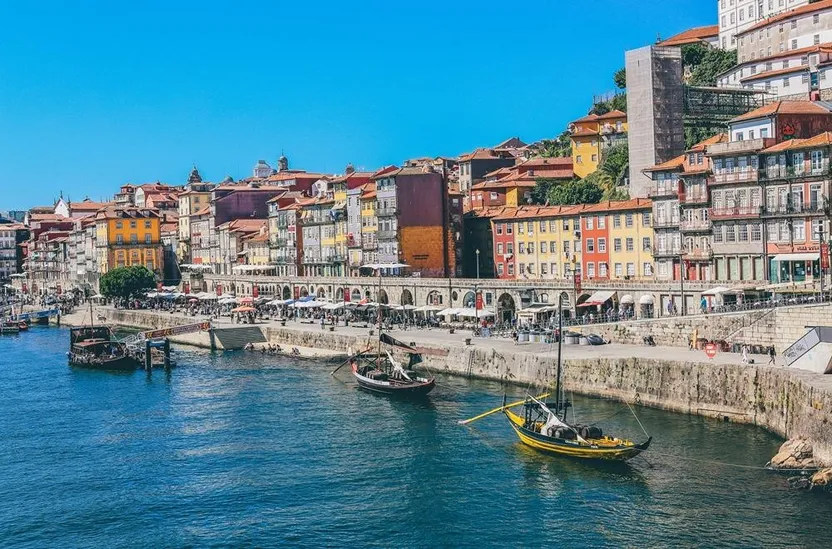
Porto is located in northern Portugal and stands out as a more affordable and relaxed alternative to a big-city capital. That city also has a good rental demand for properties, especially from workers, students, and locals. Residents in Porto experience history, city life and easy access to the coast or the suburbs. For investors, Porto appeals because it balances price and demand as you don’t pay Lisbon-level premiums, but rental interest remains solid.
Porto Market Snapshot
Porto is perfect for investors who want a moderate entry cost with reasonable returns. Prices aren’t as high as in Lisbon, but rental demand stays solid throughout the year. Mid-range apartments or homes just outside the busy areas attract families, young professionals, and locals who plan to stay long term. If the goal is to be closer to the action, city-centre units or properties near the waterfront get attention from expats and students looking for easy access to work or university. Since the price per square meter is lower in Porto compared to Lisbon, the rental return you get from each dirham or euro invested looks more attractive.
Algarve
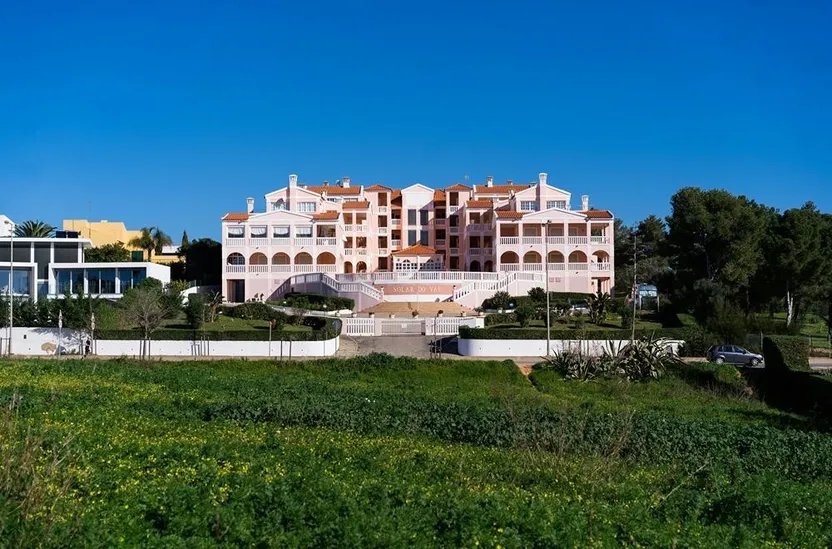
The Algarve works differently compared to the big cities. It’s coastal, sunny, and always attracts tourists and expats who love being close to the sea. Some people buy there to enjoy their holidays, while others settle in for longer stays. The combination of short-term guests and long-term residents keeps demand active in many parts of the region. Anyone who likes the idea of owning a place for personal getaways while also earning rental income when it's not in use sees the Algarve as a smart option.
Algarve Market Snapshot
If you want a property that doubles as a holiday home and as an income generator, a villa or coastal home in the Algarve can make sense. Apartments and regular houses work well too if you aim for long-term rentals to locals, expats, or retirees. However, keep in mind that coastal/villa properties may require more maintenance, and rental income can fluctuate with the seasons.
Ownership for Buyers in Portugal
Buying property in Portugal is simpler than many people assume. Even if you’re not a resident, you can purchase a home just like any Portuguese citizen. There are no special rules blocking foreigners from owning land, apartments, or even commercial units. Once you complete the process, the property is fully yours under freehold ownership. You don’t need a local partner or any special approvals just to have your name on the title.
What You Need to Get Started
There are just a couple of basics you’ll need before moving ahead with a purchase:
- A Portuguese tax number, known as NIF (Número de Identificação Fiscal). It’s required for registering property and is also needed to handle financial dealings in the country.
- A local bank account, especially if you’re planning to finance through a Portuguese lender. Some banks require mortgage payments to be made from an account in Portugal.
Once these two are in place, the rest of the process feels quite similar to how a local buyer would move forward.
Step-by-step Purchase Process
Step 1: Find a Property and Make an Offer
Once you choose a property, you can make a formal offer through your real estate agent or lawyer. A small deposit or a preliminary contract may be signed to show you’re serious about moving forward.
Step 2: Legal Checks and Due Diligence
Before anything is finalised, your lawyer will verify all the important details. That usually includes checking the title deed, confirming there are no debts linked to the property, reviewing building permits, and making sure all taxes and records are up to date. Don't skip this step if you are purchasing an older home.
Step 3: Sign the Final Purchase Deed
When everything is clear, both parties sign the final purchase deed, known as the escritura, in front of a notary or registrar. This is when you pay the remaining amount along with any taxes and required fees.
Step 4: Register the Property in Your Name
After signing the deed, the final step is registering the property with the Land Registry and the local tax authorities. That’s what officially confirms you as the new owner.
Costs and Fees
Buying a home in Portugal involves more than just the listed price. There are a few extra costs and taxes to plan for, so let's understand them:
Transfer Tax (IMT)
When you buy a property, whether it's your main home, a second home or an investment, you’ll pay IMT. The amount depends on the property's cost, its type (main home or second/holiday home), and its location. The first €104,261 of a main residence’s value is exempt. Properties above €104,261 are taxed on a scale that moves from 2% to 8%, depending on the price bracket.
For example:
- 2% in the €104,261–142,618 range
- 5% in the €142,618–194,458 range
- 7% in the €194,458–324,058 range
- 8% in the €324,058–648,022 range
If the purchase is a secondary home or investment property, the tax applies differently. IMT rates for such properties typically start around 1% and increase up to 7.5% with property value.
Stamp Duty (Imposto de Selo / IS)
On top of IMT, there’s a flat stamp duty. That’s 0.8% of the property’s purchase price (or the taxable value if that’s higher).
Notary, Registration & Legal / Administrative Fees
You’ll also pay fees for public deed signing (notary), registration at the land registry, and legal/administrative paperwork. Notary and registry fees are commonly a few hundred to around a thousand euros, depending on complexity. If you use a lawyer, expect legal fees too, calculated as a percentage of the purchase price or as a fixed fee depending on what’s involved.
Estimated Overall Extra Costs
As a general guideline, many experts recommend budgeting roughly 6–8% above the purchase price to cover IMT, stamp duty, notary/registration, and basic legal fees. For higher-value properties or if you add more services, total upfront costs may occasionally approach the lower end of 10–15% of the purchase price.
Ongoing / Recurring Taxes After Purchase
Once you own the property, there are annual taxes, too. The main one is municipal property tax (IMI), charged by local councils based on a property’s taxable value. Urban properties have IMI rates of 0.3% to 0.45% per year (though rates can vary by municipality).
If the property value is high (or you own multiple properties), there might be additional wealth-related taxes.
Market Shifts and What’s Shaping the Future
Portugal made a major decision when it removed real-estate purchases from the Golden Visa programme in 2023. Buying a home no longer gives residency, which had been one of the biggest attractions for foreign investors in cities like Lisbon, Porto and coastal hotspots. The main goal was to cool price pressure and make housing more accessible for locals. Reports show that Golden Visa investments have pushed high-end home prices sharply higher, raising affordability concerns.
Even with those changes, Portugal’s real estate market didn’t lose its footing. Tourism attracts short-stay renters, and expats, digital nomads, and long-stay residents still look for places to live year-round. Developers are pushing ahead with new projects, infrastructure improvements keep coming, and long-term rental demand remains strong. Investors who focus on real returns rather than visa benefits still see Portugal as a stable market for income and long-term growth. The overall effect is a shift away from speculative buying toward genuine demand, which helps support a healthier property market moving forward.
What Makes Portugal Worth Considering?
Every investor looks at property with different goals in mind. Some focus on quick gains, while others prefer long-term value that grows steadily. Portugal fits that second approach well. Rental yields in popular areas are around 4% to 6%, and when you add price appreciation over the years, the overall performance feels dependable without being high risk.
The best choice depends on how you plan to use the property. A home in the city can attract tenants throughout the year, which supports consistent rental income. A coastal property offers personal lifestyle benefits along with seasonal returns when rented out during holidays. Once your priorities are clear, choosing the right region becomes far more straightforward.
Conclusion
Anyone familiar with Dubai’s real estate market knows how strong demand can shape long-term wealth. Portugal offers another path toward that goal, just in a calmer and more gradual way. It’s a place where property values grow over time, supported by real demand from people who want to live, work, or spend their holidays there. For investors thinking about the future rather than just the next quick return, Portugal can add balance and stability to a wider portfolio.
If you’re curious about the best areas to explore or want help reviewing real numbers, our team is happy to guide you through the process. Contact us today, and we’ll walk you through options that match your goals.
Frequently Asked Questions
Is Portugal a good place to invest in property?
+−
Yes. Portugal offers steady price growth, healthy rental demand and a lifestyle appeal that keeps interest strong throughout the year. It suits investors who want long-term value rather than quick flips.
Which cities in Portugal offer the best ROI?
+−
Lisbon, Porto and parts of the Algarve stand out. Lisbon and Porto provide steady year-round rental demand. The Algarve appeals to holiday renters and expats, especially near the coast.
Can foreigners buy property in Portugal without restrictions?
+−
Yes. Foreign buyers can purchase homes outright under full ownership, similar to freehold property. There is no need for a local sponsor or resident status to own real estate.
Is the Portugal Golden Visa still available through property purchases?
+−
No. Real-estate investments no longer qualify for residency under the Golden Visa. However, buyers still purchase property for rental income, lifestyle use and long-term capital growth.
Is Portugal suitable for holiday-home investments?
+−
Yes. Coastal regions, especially in the Algarve, attract strong seasonal rental demand. Many investors use the property for vacations and rent it out the rest of the year.