Thailand real estate: market snapshot, roi & luxury market
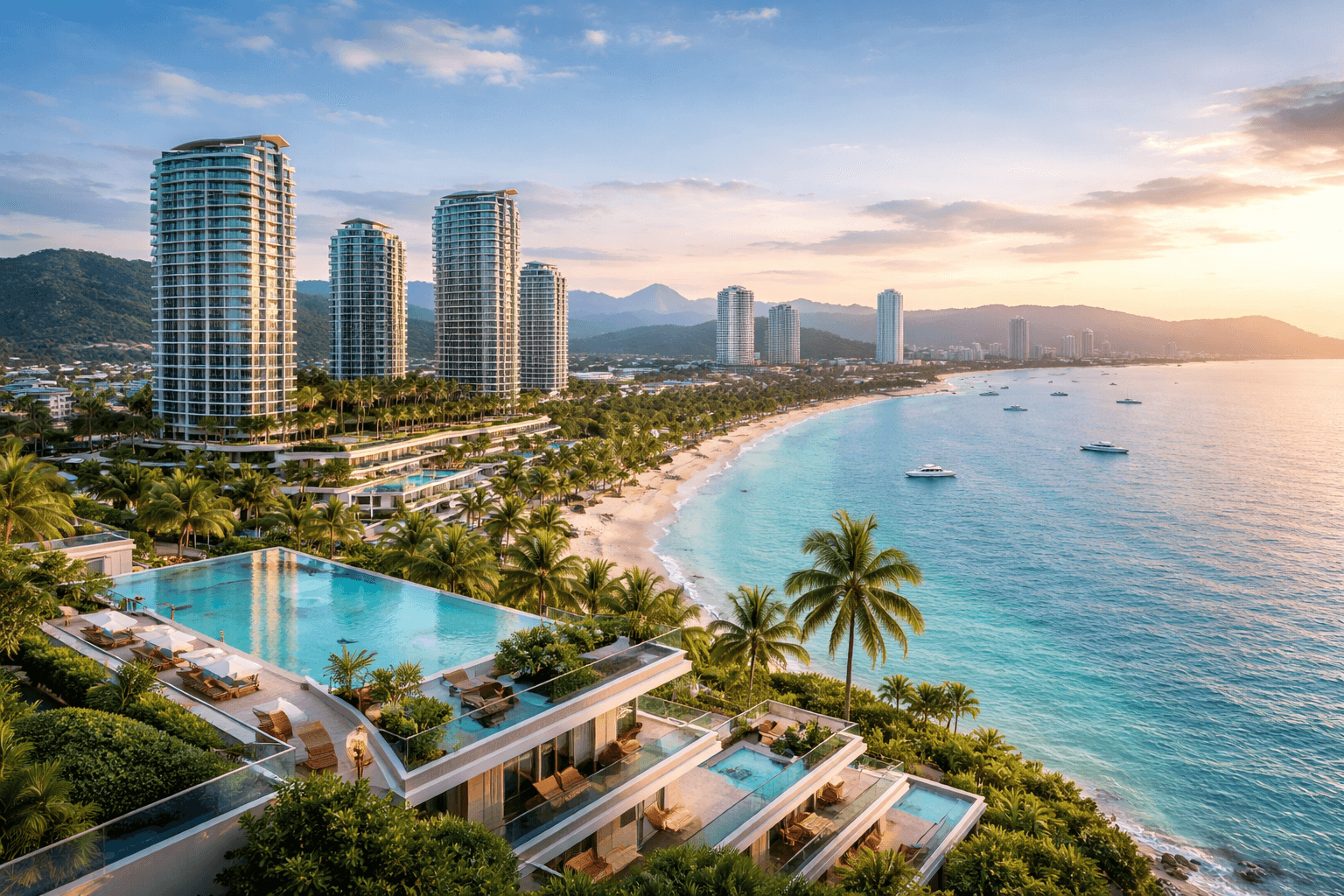
Thailand has been attracting steady attention from Dubai investors for some time, but the way investors view the market has changed. Buyers are less interested in quick reactions and more focused on value, lifestyle, and how the property supports longer-term plans.
Investors from Dubai take a practical approach to real estate. Here, demand matters the most. When people live in a place, rent homes year-round, and build routines there, property tends to hold its ground. Thailand fits that pattern well. Tourism plays a role, but it does not stand alone. A large local population, long-stay expats, retirees, and remote workers create everyday demand. Homes are occupied, rented, and used as real living spaces, not treated as short-term trades.
Let's walk through the Thailand market as it stands today, which regions deliver stronger returns, how ownership works, and what trends are shaping demand.
In a Nutshell:
- Thailand appeals to investors seeking steady value, in-demand markets, and property that supports long-term planning.
- Demand comes from locals, expats, retirees, and remote workers, as well as from tourism, which keeps homes occupied beyond peak seasons.
- Property prices are lower than in many global lifestyle markets.
- Rental activity stays active across cities and resort areas.
- Once understood, ownership rules are structured and predictable.
The Current Real Estate Landscape in Thailand
Thailand’s property market has remained steady despite global uncertainty. According to recent data from the Bank of Thailand and major property consultancies like Global Property Market, residential prices across the country increased by around 2-3% year on year through 2024, with stronger performance in prime urban and resort areas.
As of late 2025, residential prices increased by 2.71% year-on-year. Apartments dominate most city markets, especially in Bangkok, while villas and low-rise homes are more common in resort destinations. New supply continues to enter the market, but not at a pace that overwhelms demand in key areas. Developers have slowed things down noticeably, with new construction permits across the country down by about 31% in the first quarter of 2025.
Bangkok is the undisputed heavy hitter, handling over 43% of all foreign condo deals and pulling in billions in investment value. While the city's ultra-luxury segment is seeing a massive 90% sales success rate, the real "growth stars" are the coastal spots like Phuket, where prices jumped nearly 5.5% this year. Rental yields across the board are hitting a solid 5% to 8%, driven by a massive wave of 40 million tourists and long-term expats. Plus, with the government slashing transfer fees to almost zero and banks allowing 100% loans through 2026, there’s a major push to keep that momentum going through the end of the year.
Average condominium prices in central Bangkok now range from THB 150,000 to 250,000 per square metre, depending on location and building quality. In AED terms, that is roughly AED 1,600 to 2,700 per sq ft. Brand-new launches in prime spots like Sukhumvit or Silom are now averaging closer to THB 240,000, with luxury projects easily clearing the THB 315,000 mark, roughly AED 2,600 per sq ft to AED 3,450 per sq ft.
Thailand has not seen sharp price spikes, but it has also avoided sharp drops. That slow-and-steady approach is what long-term investors prefer.
Regions Delivering the Strongest ROI
Not every part of Thailand performs the same way. Some areas suit rental income. Others work better for personal use with slower capital growth. The regions below attract most investor attention for clear reasons.
Bangkok
Bangkok is the capital of Thailand and the main engine behind the country’s property activity. The city pulls people in for work, education, healthcare, and daily living. Offices, universities, hospitals, and transport networks draw residents year-round.
Property supply in Bangkok focuses mainly on condominiums. Studios and one-bedroom units appeal to students and young professionals who want quick access to public transport. Mid-sized apartments with shared facilities attract expats and long-term tenants who value convenience and building services. Larger two and three-bedroom homes suit families and shared households, especially in quieter residential pockets near parks, schools, or business districts. Landed homes exist but play a smaller role in the investment market due to pricing and ownership structure.
Below is a snapshot of current sales and rental prices based on active listings across major property platforms in Bangkok.
Pricing rises as buildings move closer to BTS or MRT stations and as overall building quality improves. Smaller units near transport lines lease faster and resell more easily. Larger apartments offer space and comfort, ideal for tenants planning longer stays in the city.
Phuket
Phuket is one of Thailand’s most recognisable destinations and plays a major role in the country’s lifestyle property market. The island attracts holidaymakers, long-stay visitors, and buyers who plan to use the home themselves while earning rental income during parts of the year. Demand depends on the location, access to beaches, and the overall quality of the development.
Property options in Phuket lean toward resort-style living. Apartments in managed developments appeal to investors who want rental income with minimal involvement. Villas make up a large share of the market, especially in hillside and beachfront zones, where privacy and views carry more weight than unit size. Townhouses and smaller residential projects exist, though they attract less investor attention than condos and villas.
Below is a snapshot of current asking prices based on active listings across major property platforms in Phuket.
Rental income in Phuket depends heavily on management quality and seasonal planning. Properties close to popular beaches attract higher nightly rates, whereas villas suit buyers who value lifestyle use alongside rental potential.
Chiang Mai
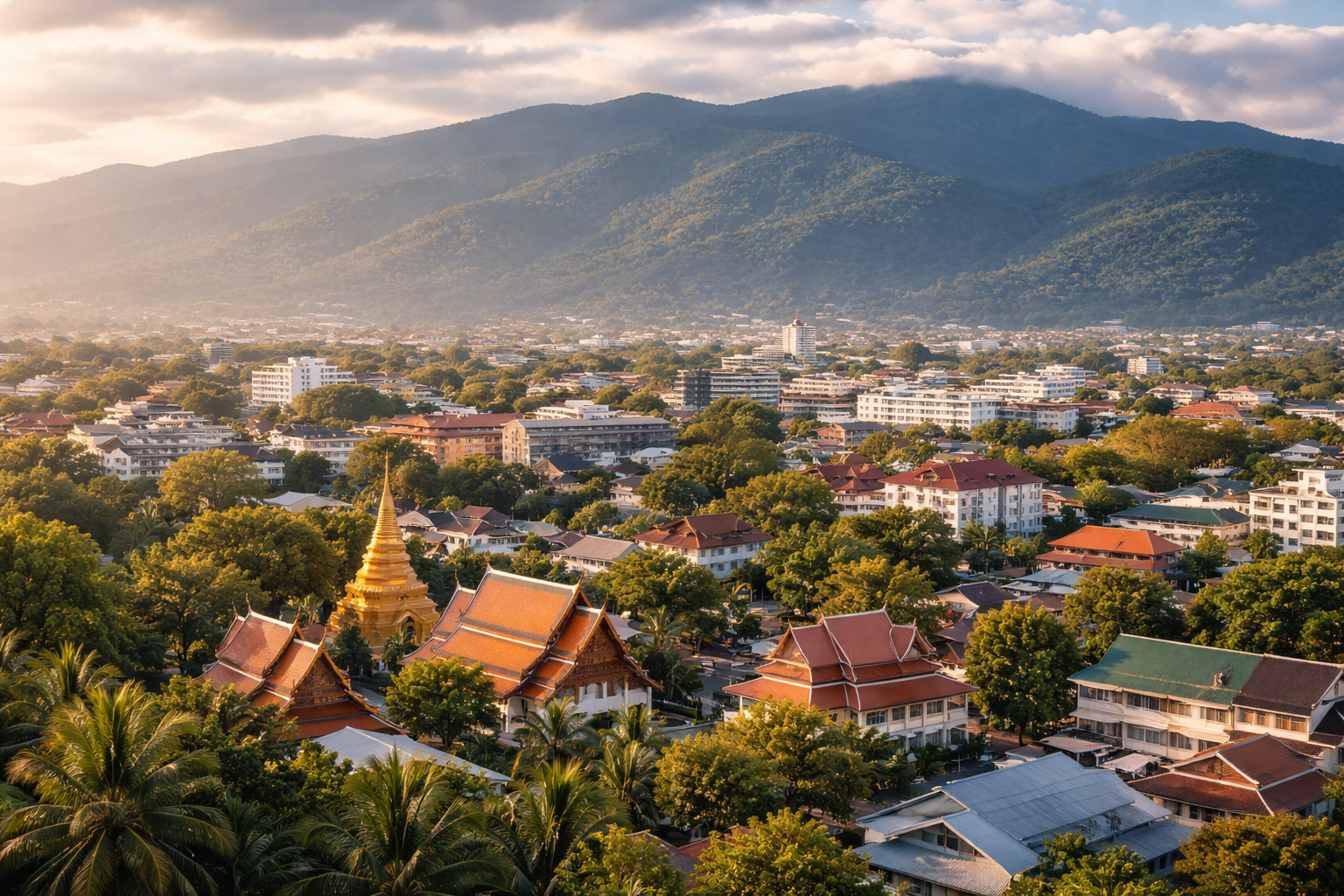
Chiang Mai, in northern Thailand, offers a calmer pace than the larger cities and resort islands. The city draws retirees, remote workers, students, and expats who prefer lower living costs. Demand here comes from people who actually live in the city, which shapes a more stable rental environment.
Property options focus mainly on condominiums and low-rise residential projects. Smaller apartments appeal to students and digital workers. Mid-sized units attract long-term renters who value quiet neighbourhoods near hospitals, universities, and shopping areas. Landed homes are available on the outskirts, though investment interest remains stronger in apartments due to their ease of ownership and management.
Below is a snapshot of current asking prices based on active listings across major property platforms in Chiang Mai.
Returns in Chiang Mai focus more on consistency than growth speed. Rental yields are in the mid single digits, supported by long-term tenants and lower entry prices. Investors who value predictability and manageable budgets see Chiang Mai as a practical addition to a broader property portfolio.
Pattaya
Pattaya is situated along Thailand’s eastern seaboard and functions as a compact coastal city with strong links to Bangkok. The drive from the capital takes around two hours, so Pattaya is accessible for weekend use and longer residential plans. The city attracts retirees, long-term expats, local workers, and buyers who want coastal living without moving far from Bangkok’s business centres.
Property supply in Pattaya is skewed toward condominiums, especially in central areas and along the coast. Smaller units attract budget-conscious renters and retirees. Mid-sized apartments suit long-term expats who want facilities and walkable access to shops and services. Larger sea view units appeal to lifestyle buyers and short-term rental investors. Villas and landed homes exist mainly in East Pattaya, where space and privacy become the focus.
Below is a snapshot of current asking prices based on active listings across major property platforms in Pattaya.
Pattaya attracts investors seeking lower entry prices than in Bangkok and Phuket. Rental demand comes from long-term residents, retirees, and seasonal visitors. Proximity to Bangkok is another factor that attracts buyers seeking a balance between city access and coastal living.
How Property Ownership Works for Locals and Foreigners in Thailand

Buying property in Thailand is not complicated, but it does follow a structure that buyers need to understand clearly from the start. Once the rules are familiar, the process feels logical and predictable, especially for investors who already own property in other countries.
Ownership Rules for Thai Nationals
Thai nationals enjoy full and unrestricted rights to own land and buildings in Thailand, primarily governed by the Land Code Act B.E. 2497 (1954) and the Civil and Commercial Code. Their ownership is recorded through a Chanote title deed, which confirms full legal rights over the land. It allows the owner to sell, transfer, or use it as security for a loan.
As a result, Thai buyers can also own any house or villa built on their land. The same person holds title to the land and the building, so ownership is easy to manage.
Regarding condominiums, Thai nationals also have full freehold rights. They can own individual units without restriction. By law, at least 51% of the total floor area in any condominium project must remain in Thai ownership.
Rules for Thais Married to Foreigners
When a Thai national is married to a foreigner, land ownership is still permitted, though a few extra steps are required to ensure the ownership is legally clear.
- Both spouses sign a declaration at the Land Department confirming the land is not being held on behalf of the foreign spouse.
- The funds used for the purchase must be confirmed as the Thai spouse’s personal money, known as Sin Suan Tua, and not shared marital property.
- The land is registered solely in the Thai spouse's name. He/She has complete legal control to sell or mortgage it without the foreign spouse’s approval.
Property Taxes and Fees
Here are the usual costs people deal with when buying and owning property in Thailand:
Transfer Fee: 2% of the appraised value.
Specific Business Tax (SBT): 3.3% if the property is sold within five years of acquisition.
Stamp Duty: 0.5% (only applicable if SBT is not paid).
Property Tax: For a principal residence owned by an individual, the first 50 million Baht is tax-exempt; values above this are taxed at progressive rates (0.02%–0.10%).
Ownership Rules for Foreigners
Property ownership for foreigners in Thailand follows clear rules. Land cannot be owned directly, but condos and buildings can be held through legal structures that give buyers real and protected rights.
Condominium Ownership for Foreign Buyers
Buying a condominium is the simplest way for a foreigner to own property in Thailand. A registered condo gives full freehold ownership, though one crucial rule applies. Foreign buyers can hold up to 49% of the total saleable floor area in any building, while the remaining 51% stays in Thai ownership. Developers track this closely, so buyers know early on if foreign quota is available.
All purchase money must be received in Thailand from overseas in foreign currency. The receiving Thai bank issues a Foreign Exchange Transaction form (FET) to confirm that the funds entered the country legally for a property purchase. That document is required at the Land Department when the ownership is registered.
Buying Villas and Land as a Foreigner
Foreigners cannot own land in their own name. Because of that, villas are purchased through long-term lease arrangements or company structures.
A standard lease runs for 30 years and is registered at the Land Department. Many agreements include renewal clauses that extend the lease. Investors choose this setup for resort homes, especially in places like Phuket or Pattaya, where lifestyle use plays a role alongside rental income.
The Buying Process Step by Step
Buying property in Thailand follows a set of legal and financial steps, and most deals take around four to eight weeks from reservation to final transfer.
1. Selection and Reservation
The process starts with choosing a condo, villa, or home through an agent or property portal. Condo buyers also check that the building still has available foreign ownership units. A reservation fee is then paid to hold the unit while contracts are prepared.
2. Legal Due Diligence
A lawyer reviews the title deed to confirm the seller owns the property and that no loans or disputes are attached to it. For new projects, building approvals and permits are also checked to make sure everything is in order.
3. Signing the Sale and Purchase Agreement (SPA)
Both sides sign a contract that confirms the price, payment schedule, and fee terms. A down payment of around 20-30% is paid at this stage.
4. Funding and Documentation (Foreigners Only)
The purchase money is sent into Thailand from overseas in foreign currency. The Thai bank provides a Foreign Exchange Transaction form that verifies the funds originated abroad. It is required for ownership registration.
5. Final Transfer at the Land Department
The buyer and seller complete the transfer at the Land Office. The final balance is paid, taxes and fees are settled, and the title deed is updated to show the new owner.
Market Trends Shaping Thailand Real Estate Today
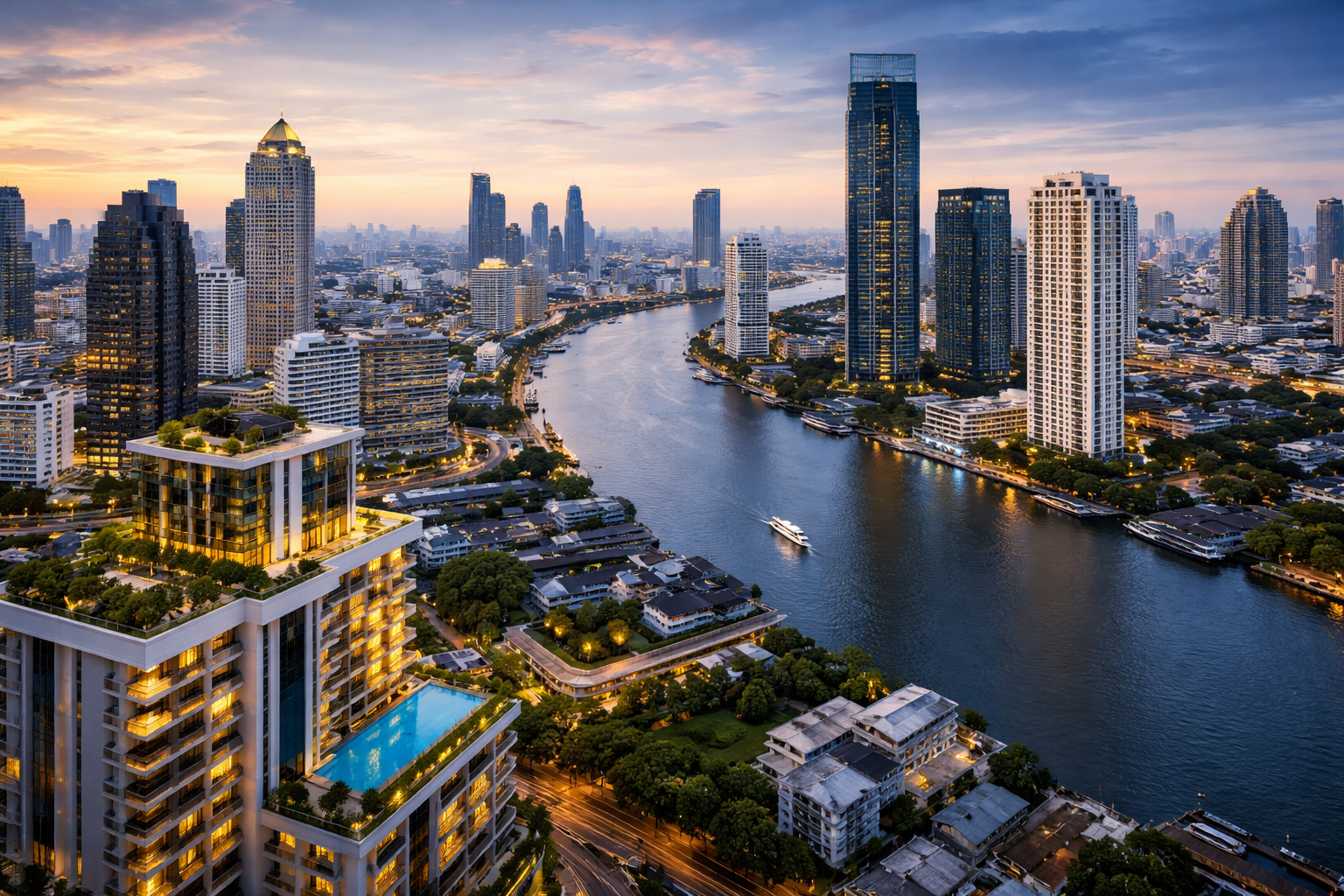
Several changes are influencing how the market behaves. They are gradual and practical, shaped by how people live and move.
Changing Buyer Priorities
Remote work has shifted what buyers look for in a home. Properties now need to support daily routines, not only short breaks. Buyers pay more attention to usable space, internet reliability, and locations that work for everyday life.
Development Patterns
Developers have responded by slowing down high-density construction and focusing more on low-rise projects with better layouts. Buyers take more time to compare options and think carefully before committing, which has pushed quality higher on the priority list.
Tourism Activity
Tourism has picked up again and is supporting short-term rental demand. As of late December 2025, Thailand has welcomed approximately 31.76 million foreign tourists. That activity feeds directly into resort markets and supports rental income in popular coastal areas.
Infrastructure Expansion
Transport investment is an essential factor, especially in Bangkok. New rail lines and extensions have made commuting easier and widened the pool of neighbourhoods renters consider. Areas once viewed as secondary now attract steady interest because daily travel feels more manageable.
None of these shifts stand out on their own. Together, they support a market built on consistent use and realistic expectations. That approach helps limit sharp cycles and keeps demand steady over time.
Inside Thailand’s Luxury Real Estate Market
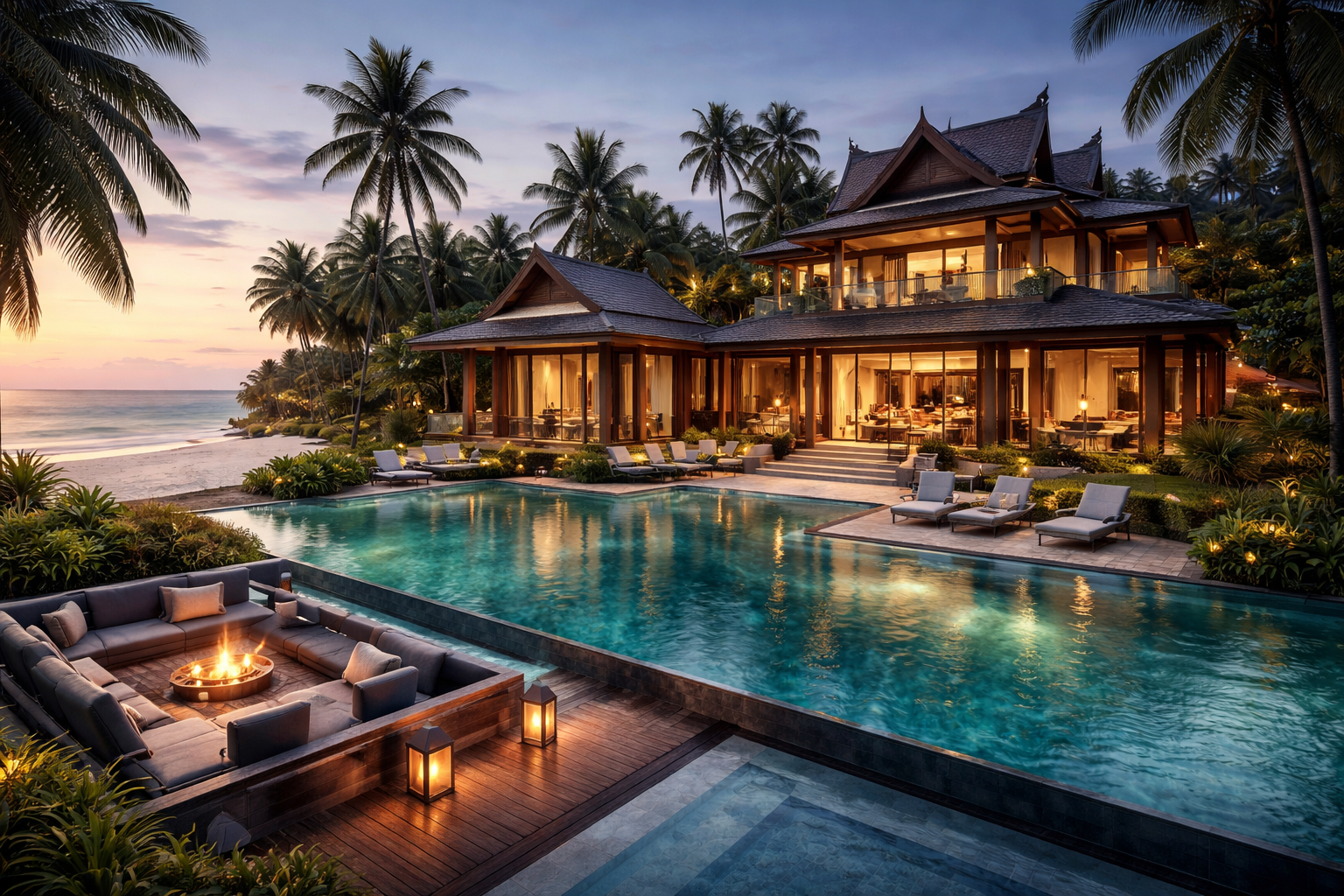
Thailand’s luxury property market is shaped by steady interest from wealthy overseas buyers and a growing group of Thai buyers who want homes built around comfort, privacy, and daily living. Buyers from China and Russia prefer high-end condominiums and villas, especially in resort areas. These buyers look for second homes or long-term lifestyle properties, not short-term trades.
Branded residences have also become a major part of the luxury market. Thailand ranks near the top of Asia in terms of projects linked to global hotel brands. Developments related to brands such as The Ritz-Carlton, Banyan Tree, and Aman attract buyers who value service, maintenance, and a familiar level of quality.
Investment Outlook
Luxury home values across the country are expected to rise by 5-10%. In Phuket, villa prices have already climbed by as much as 20% since 2022, driven by limited land and strong demand for sea-view homes. New luxury projects focus more on health and daily comfort. Buyers now look for features like private fitness spaces, easy access to medical care, and smart home systems that help manage energy use and security.
The segment is projected to move toward $88 billion by 2030, with gradual growth along the way. High-end condos in Bangkok are expected to rise by 5-7% a year through 2026. Rental income also stays attractive, with holiday homes in resort areas earning 7 to 10% and long-term leases averaging 5 to 8%. Demand comes mainly from buyers in China, Russia, Singapore, and Hong Kong, backed by rising tourist numbers expected to exceed 40 million a year by 2026, along with visa programs such as the LTR and Thailand Privilege Card that make longer stays easier. Ongoing transport projects and newer developments with smart home features, retail, and wellness spaces also help support values in the higher end of the market.
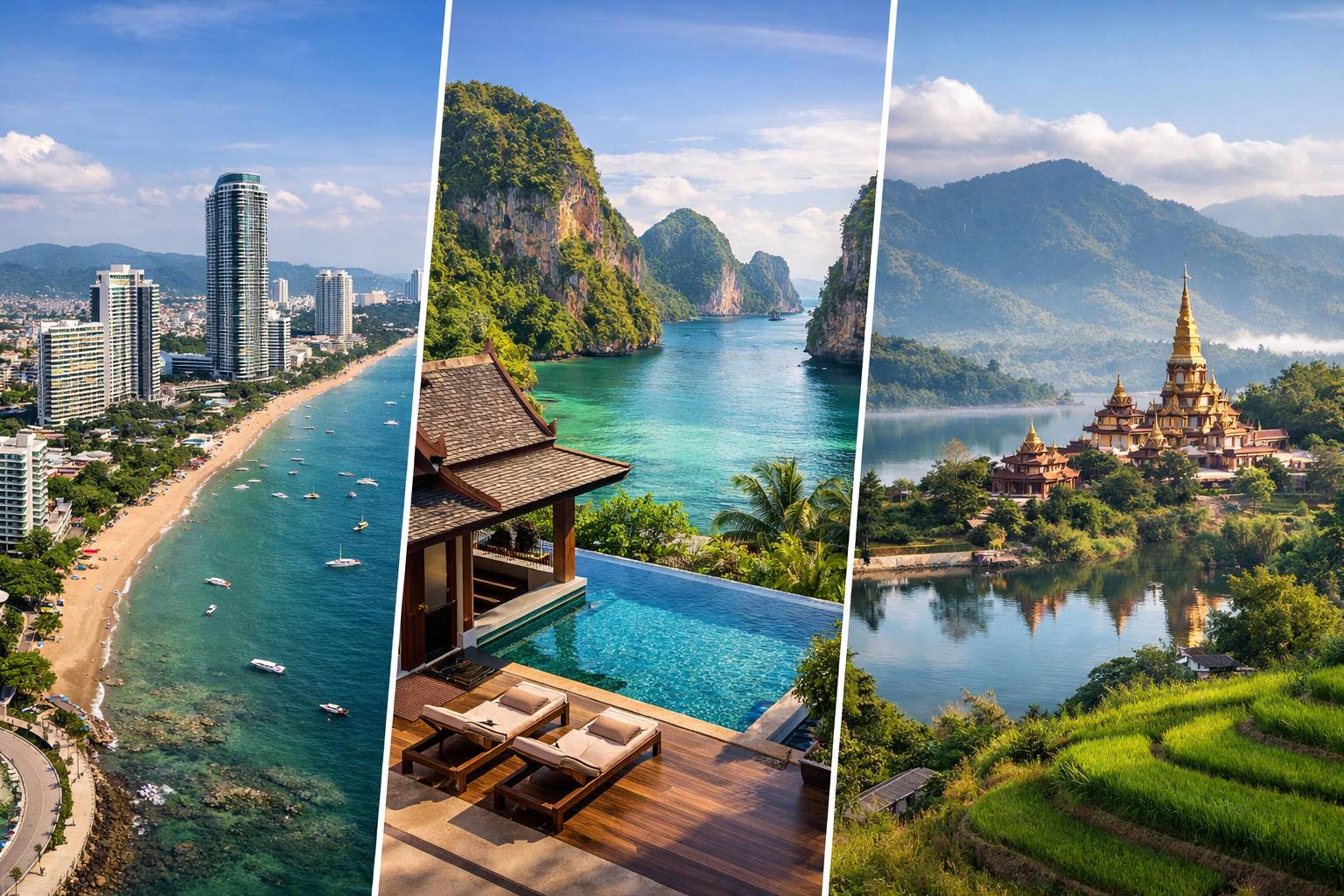
Key Luxury Destinations
Conclusion
Thailand does not sell itself through big promises or fast stories, and that is part of its appeal. Homes here fill up because people actually live in them, work nearby, or come back every year for the same stretch of coastline. Its property market gives buyers time to look, compare, and choose without feeling pushed by fast-moving headlines or sudden swings. Some people end up buying a place they use for a few months each year. Others focus on rental income or plans. Both approaches fit here. The market leaves room for personal reasons to matter, and that is what makes a property decision feel right long after the paperwork is done.
We at Betterhomes help Dubai-based buyers compare cities, understand ownership rules, and narrow down homes that make sense for them and their income. Contact us today, and let’s talk through what could work for you.
Frequently Asked Questions
Is Thailand a good place to invest in property from Dubai?
+−
Yes, it is. Thailand attracts many Dubai investors because prices are lower than in many global lifestyle markets, and rental demand is active across cities and resort areas.
Can foreigners buy property in Thailand?
+−
Foreigners can buy and fully own condominiums in Thailand as long as the foreign ownership limit within the building has not been reached. Land cannot be owned directly, though villas and houses can be held through long-term lease structures or registered building ownership.
Do I need a visa to buy property in Thailand?
+−
A visa is not required to own property. Buyers can purchase and hold property without Thai residency, though many later apply for long-stay visa options if they plan to spend more time in the country.
How long does it take to buy property in Thailand?
+−
Most transactions take about one to two months from reservation to final transfer, depending on legal checks, payment schedules, and document processing speed.
Are there taxes on rental income in Thailand?
+−
Yes, non-residents face a flat 15% withholding tax, residents pay a sliding scale from 0% to 35%, and property owners pay an annual Land and Building Tax ranging from 0.02% to 0.3% of the property's appraised value.