Spain property market insight: key regions, trends & buying guide
Spain has become a go-to destination for people seeking a property that feels secure and delivers real value over time. Many investors in Dubai already know how real estate can support long-term wealth, and Europe has entered that discussion in a big way. Spain stands out because tourism is strong, plenty of people live there permanently and rent long-term, and property prices remain within a range where growth feels achievable. The weather, the coastline, and the convenience of travelling between major cities make the lifestyle side of the decision a lot easier, too.
Anyone planning to build rental income while enjoying a European holiday home might find Spain a good match. Let’s take a closer look at how the market is performing today, where returns look promising, and what buyers need to understand before making a purchase.
Spain at a Glance
Spain is located in the south-west of Europe, right next to Portugal, with beaches facing the Mediterranean Sea and the Atlantic Ocean. Its location gives the country a natural gateway role between Europe, Africa and the wider world. People travel in and out with ease, whether it’s tourists on holiday, students moving to university, or professionals moving for work. Major airports and high-speed trains make it simple to get around, especially if someone wants to live in one city and spend weekends by the coast.
The interesting part is how different life feels from one region to another. Madrid, the capital of Spain, sits in the centre and offers a busy city lifestyle with plenty of corporate offices and universities. Barcelona brings that coastal mix of culture, sports, food and beach days. Down south, places like Málaga and Marbella are known for their warm weather and relaxed daily routine, which many people dream about. On the east coast, Valencia and Alicante offer a more affordable way to enjoy the sea without losing access to jobs and services. Then you have the islands, like Mallorca, Ibiza and Tenerife, where tourism never slows down and the holiday energy is always present.
Anyone considering property in Spain has many choices. There are city apartments, family-friendly homes close to the beach, quieter inland areas, and island spots with strong rental demand. It all comes down to which lifestyle someone connects with and what kind of returns they want over time.
Quick Facts
Population: Over 49 million.
Capital City: Madrid.
Language: Spanish (Castilian) is the official language, with several other co-official regional languages existing in certain areas.
Time Zone: GMT+1 (Central European Time), observing daylight saving changes (moving to GMT+2 in summer) on the mainland.
Currency: Euro (EUR).
The Current Real Estate Landscape in Spain
Spain’s property market has been gaining momentum, and the numbers reflect it clearly. By October 2025, the average price for an existing home reached around €2,555 per square metre (AED 1,001 per sq ft), roughly 15.7% higher than the year before. That kind of rise doesn’t happen without strong demand behind it. Buyers are the people who live and work in Spain, expats who move for a better lifestyle, and investors who see long-term potential in the market.
What makes the situation more interesting is that supply isn’t keeping up with demand. A report from Caixa Bank Research shows a shortage of more than half a million homes built up over the last few years. With fewer new properties entering the market, competition increases, and prices naturally push higher. For owners and investors, that creates a sense of confidence because demand keeps driving the market forward.
On the rental side, the average gross rental yield across the country is currently around 5.4%. In cities like Barcelona and Valencia, returns can reach 6% or more, depending on the neighbourhood and property type. Holiday areas are popular with short-term guests, while major business hubs attract long-term tenants who need a home year-round. That mix reduces risk because occupancy doesn’t rely on one single group.
Remote workers have also quietly changed the game. Many choose Spain because the climate is comfortable, living costs feel reasonable compared to other Western European countries, and high-speed internet makes working from the coast a realistic option. Their presence supports mid- and long-term rental demand, especially in coastal cities that offer work and lifestyle benefits.
When you look at everything side by side, the direction feels clear. Homes are worth more than they were a year ago, people are renting in big numbers, and the interest isn’t coming from just one group. Locals need places to live, professionals move for work, and overseas buyers see Spain as a comfortable place to invest. Investors who want stable income today and capital growth in the future can find both in the right Spanish location.
Where Investors See Strongest ROI
Each region in Spain offers a different experience and return story. Some investors prefer the security of cities, while others look toward coastal holiday appeal. Let’s explore.
Madrid

Madrid is the heart of Spain’s working and social life, with major companies, universities, and government offices all in one place. People move here from inside and outside the country because they see better opportunities and an easier day-to-day routine with transport, schools, hospitals, and everything else close by. That creates a rental environment where homes rarely remain vacant for long, especially in neighbourhoods near the metro or business districts.
Prices are higher than in many other parts of Spain, especially in central areas, but investors accept this because demand keeps properties active throughout the year. A well-located apartment can change hands or find a new tenant without long delays, which helps keep returns steady even during quieter economic periods. That everyday need for a place to live is what gives Madrid its strength as an investment choice. It feels more like putting your money where demand naturally exists year after year.
Madrid Market Snapshot
Barcelona

Barcelona is one of those places where people feel they can work hard and still enjoy life at the end of the day. The city has a strong tech scene, creative industries, and well-known universities that bring in a steady flow of young talent and professionals.
Areas close to beaches, the business districts, and major transport routes get rented first because they make everyday routines simpler. Homes in neighbourhoods with character and history also attract people who want more than just four walls, so heritage buildings in central zones rarely lose attention.
Many buyers in Barcelona now choose a long-term rental strategy because the tenant base is strong and active throughout the year. Expats, remote workers, and students look beyond the summer season, and that helps keep properties occupied without depending on tourism highs.
Barcelona appeals to investors who like the idea of a coastal city that doesn’t shut down once the holiday crowds leave. People live here full-time, and everyday demand keeps the property market moving steadily.
Barcelona Market Snapshot
Valencia

Valencia offers a different pace while still giving the comfort of a major city. People enjoy having the beach close enough for regular weekend plans, without dealing with the busy rush of the biggest cities. The cost of living is easier to manage here, which attracts working families, young professionals, and a growing number of remote workers seeking stability alongside sunshine.
The city keeps investing in public transport, modern residential areas, and community spaces. Neighbourhoods near the coast are popular, but districts closer to universities and business centres also attract strong tenant interest.
Investors consider Valencia when they want a lower entry level compared to Madrid or Barcelona, yet still see enough rental demand to support steady returns. Student housing is one path, long-term expat tenants are another, and there’s also a local population that prefers renting rather than owning. Those different groups help maintain healthy occupancy.
Unlike markets that depend heavily on tourism, Valencia has a more balanced economy. People live and work here full-time, so property performance doesn’t rely on a short peak season. Buyers who like consistency and room for future growth keep Valencia on their shortlist because it feels like a place where value builds gradually and without unnecessary pressure.
Valencia Market Snapshot
Marbella
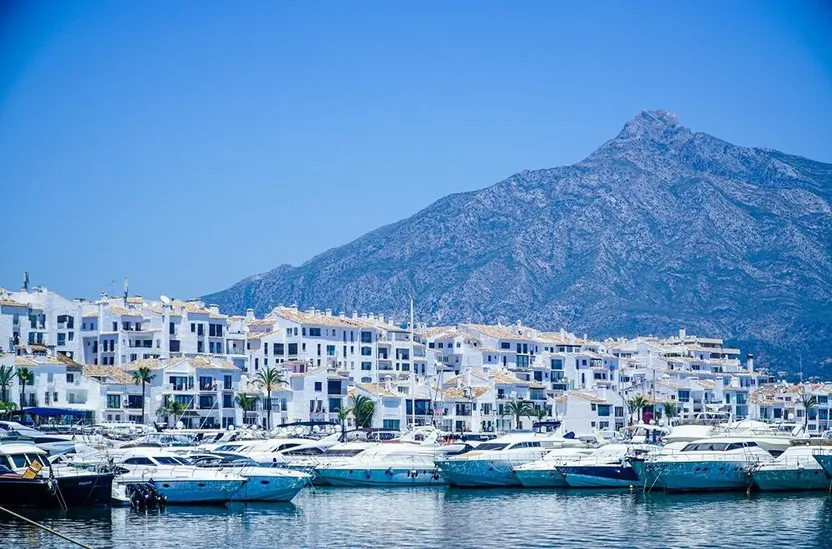
Marbella has warm weather, long coastlines, and golf communities that shape the way people experience life here. It’s a place where many arrive for a holiday and then end up wanting a home they can return to again and again.
Homes close to the waterfront attract the most people, especially when they offer modern amenities or views of the Mediterranean. Villas and townhouses are common investment picks for people who plan to spend part of the year in Spain and rent the property out when they are away.
Rental demand rises as tourism increases, which creates opportunities for seasonal income. Investors who are comfortable with a holiday-home strategy can see strong returns during peak months. However, relying solely on tourism can lead to quieter rental periods in winter, so some buyers choose neighbourhoods where locals also seek long-term housing.
Marbella attracts investors who value lifestyle as much as financial returns.
Marbella Market Snapshot
Ibiza
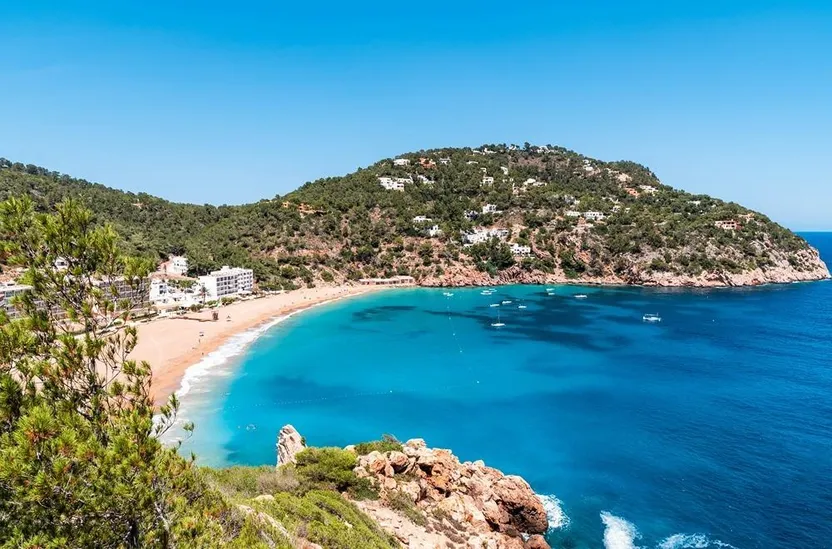
Ibiza is known worldwide for its beautiful beaches and lively summers, but there’s more to the island than nightlife and parties. Many people come here hoping for a holiday escape and end up feeling connected enough to consider staying longer. The island offers quiet coastal areas, family-friendly neighbourhoods, and scenic countryside spots.
Buyers who choose Ibiza want something personal from their investment. A home here gives them a place to enjoy when they want a break, while still having the option to earn rental income during the months they’re not using it. Properties with sea views or easy beach access are the first to book when tourism peaks.
Ibiza suits investors who want to own a home in a place that offers holidays, a lifestyle, and the chance to unplug whenever they need to.
Ibiza Market Snapshot
How Property Ownership Works in Spain
Owning a home in Spain isn’t limited to locals. People from abroad can buy without needing residency or a local sponsor, which makes the process feel approachable even if you’re coming from another market. Many people treat it the same way as buying in their home country, just with a few additional steps to complete before the transfer is official.
Getting Your Identification Number (NIE)
Anyone purchasing real estate in Spain needs an NIE (Número de Identidad de Extranjero).
It’s a standard identification number for foreigners used for:
- Signing purchase documents
- Opening a Spanish bank account
- Handling tax and legal paperwork tied to the property
The process isn’t complicated, but buyers complete it early to avoid delays later.
Financing Options for Foreign Buyers
Many international investors use a Spanish mortgage rather than paying the full amount up front.
Banks do finance non-residents, though a few things affect approval:
- Personal income and job status
- Credit history
- Whether the buyer plans to live in the home or rent it out
Non-residents generally receive a lower loan-to-value ratio (between 60% and 70%) than local buyers, so a stronger down payment helps secure better terms.
Taxes and Buying Costs to Plan For
The total price of a home includes more than the sale figure alone. Most investors plan a budget with:
Transfer tax (varies by region and property type): 6-10%
Legal Due Diligence Fees: 1% to 2% of the property price (plus VAT). Fees may be lower for costly properties or fixed for standard transactions.
Notary Fees: Range from €600 to €875, but can reach around €1,000 for a €250,000 property. As a percentage, this is approximately 0.3% to 0.5% of the value.
Land Registry Fees: Usually lower than the notary fees, typically between €400 and €700, or around 0.2% to 0.5% of the purchase price.
Property Valuation Fee: Required by the bank, usually costs a flat fee of around €500.
Mortgage Fees: While many banks no longer charge an opening commission, some fees may still apply, up to 1% of the mortgage value.
When added together, these extras amount to about 10% to 15% of the property's value. Budgeting for them upfront keeps the process stress-free once the purchase agreement is ready to sign.
Short-Term Rental Licensing and Taxes
Some buyers want a holiday home that also earns income. Spain allows this, but holiday rentals have specific rules in many regions:
- Registration or licensing may be required
- Local limits may apply in busy areas
- Seasonal or minimum-stay rules can affect listings
Owners earning rental income also file taxes, which is why most investors work with a local consultant or property manager. Non-resident rental income is subject to a national tax rate of 19% (EU residents) or 24% (non-EU residents), in addition to annual local property taxes (0.4% to 1.1%).
Ownership Stability and Investor Confidence
Once the paperwork is complete, the property is fully owned under Spanish law. Ownership isn’t tied to residency, visa status, or local partnership. That sense of security helps many international buyers feel comfortable investing in Spanish property as part of their long-term investment plans.
Inside Spain’s Luxury Property Market
Luxury buyers in Spain want either a lively city life or a peaceful escape by the sea. In big cities like Madrid or Barcelona, luxury homes feature large floor plans, high-end interiors, easy access to amenities, good transport links, and central locations. On the other hand, coastal and island regions such as Marbella or Ibiza draw buyers who go for villas with private pools, golf-course access, or sea-view terraces.
What keeps luxury prices firm is strong demand for these homes. Even when general housing markets wobble, or renters drop off, wealthy buyers rarely disappear. A recent report for the coastal region around Marbella shows that luxury properties there have an average value of about €7,185 per m². These are not typical flats, but high-end real estate rarely found elsewhere. That tells you how serious Spain’s luxury segment is.
Conclusion
Investors in Dubai are used to looking at markets where real demand drives long-term value, and Spain fits that thinking well. People move there to study, work, or enjoy life by the coast, which keeps the property market active in every season. Prices rise steadily rather than in sharp jumps, and rentals appeal to a broad mix of tenants instead of just tourists, so occupancy feels more dependable over time. Buying in Spain is less about chasing fast returns and more about choosing a place where people genuinely want to live. Once you know whether you want a city apartment with regular rental income or a coastal home for personal breaks, the next step is to compare locations and speak with someone who understands the local market. That way, you can choose a property that feels right for your lifestyle and your investment plans.
Spain could be a strong addition to your portfolio. Contact us today, and we’ll help you understand where the value is and how it fits your goals.
Frequently Asked Questions
Can foreigners buy property in Spain without restrictions?
+−
Yes. Foreigners can purchase property and have full ownership rights. The main requirement is getting an NIE number, which is used for legal and tax purposes during the transaction.
How much are the buying fees and taxes in Spain?
+−
You must set aside about 10% to 15% of the property value to cover transfer tax, legal checks, notary fees, registry fees, and other administrative fees.
Do I need a mortgage from a Spanish bank?
+−
You don’t have to, but it is an option. Spanish banks do finance international buyers, though loan amounts depend on income, credit history, and whether the property is a second home or an investment.
Are short-term rentals allowed in Spain?
+−
Yes, in many regions, but each city or coastal area has its own licensing rules. Some popular neighbourhoods limit holiday rentals, so investors should confirm regulations before finalising a purchase.
Do I need to live in Spain to rent out my property?
+−
No. You can own and rent a home without living in the country. Many international buyers work with local property managers who handle bookings, tenants, and maintenance on their behalf.