
Should first-time buyers wait until 2026 to purchase a property in Dubai?
The moment you start planning your first home in Dubai, one thought quickly takes over. Is now the right time, or could waiting until 2026 be a mistake? Prices have risen in recent years, so it’s natural to wonder whether waiting might save money. The challenge is that Dubai’s market moves fast, and price drops are never guaranteed. Holding off just to time it right can lead to higher prices later, fewer good options, or missing a home that already fits.
A smarter approach is to buy when the numbers and the lifestyle make sense, when the deposit, monthly payment, and mortgage approval feel comfortable, and the home fits how you actually want to live. This blog breaks down what shapes Dubai property prices, what could influence 2026, and how first-time buyers can make confident decisions rather than guesswork.
Quick Summary
The decision to buy property in Dubai shouldn't hinge on waiting for 2026. Instead, focus on affordability, financial readiness, and how well a home fits your lifestyle. Market conditions may shift, but personal plans and budget should guide your choice.
Understanding the Dubai Real Estate Market 2026

In the past two years, Dubai's property market has seen notable growth. The table below summarises the key market figures and price changes from 2024 to Q3 2025.
- 2024 Total Transaction Value: AED 761 billion
- H1 2025 Total Transactions: 125,000 transactions with AED 431 Billion
- Q2 2025 Sales Value: AED 184.3 billion
- Early 2025 Price Change: Apartments at +12% YoY, while Villas at +8% YOY
- Q3 2025 Average Cost per Sq. Ft.: AED 1,625
Given these statistics, it’s clear that Dubai’s property market is strong and continuing to grow. For first-time buyers considering property purchases in Dubai in 2026, these numbers suggest that waiting may not yield much savings. Prices have steadily increased, and with demand for villas and apartments still high, it’s unlikely that prices will drop dramatically. While it’s tempting to hold out for a market dip, the current trend shows that acting now might be a better option. If you find a property that fits your needs and budget, waiting for a better deal could lead to missing out, as the market is expected to keep rising steadily.
Will Property Prices Rise or Fall in 2026?
Property prices in Dubai have been rising, so it’s normal to wonder whether 2026 will bring a drop. The reality is that no one can predict it precisely because prices move based on several factors working together.
What could keep prices moving up
- Demand stays strong in popular locations (end-users + investors).
- Limited “good stock” in the right budget range keeps competition high.
- New launches can enter at higher starting prices, which lifts the market baseline.
What could slow things down
- Higher interest rates or tighter lending can reduce buyer pace.
- More supply in certain segments can cool growth.
- Global economic pressure can make buyers more cautious.
For a first-time buyer, the key point is that even when the market cools, prices usually don’t fall enough to make a major difference to affordability, especially if the plan is to buy and hold for the long term. Waiting for a big dip can also create uncertainty and delay progress, while prices may still continue rising gradually in the background, which can make the same type of property harder to afford later.
Market Uncertainty and What It Means for First-Time Buyers
Dubai’s property market can look predictable on the surface, but a lot of moving parts sit underneath. Prices can stay firm when demand is strong and good ready stock is limited, even if people expect a slowdown. New launches can also reset price expectations, while mortgage rates and lending conditions can change what buyers can actually afford. Global news and investor sentiment add another layer, so the “best deal year” is rarely obvious in advance. So 2026 could be cheaper, or it could be higher, or it could simply feel different because affordability changes more than listing prices.
The Buy Decision for First-Time Buyers
First-time buyers usually get the best outcome by focusing on readiness, not predictions. A solid decision comes down to simple numbers: deposit in place, upfront fees covered, and a monthly payment that feels comfortable without stress. Start with a clear budget that includes the transfer fee and all purchase costs, then check what mortgage limits mean for the price range. Add in a quick reality check on income stability and approval chances, because lending rules can matter more than market headlines. If the numbers work today, buying can be the smart move even without a “perfect” market. If the numbers feel tight, a pause helps build savings and improve eligibility.
Timing the Market vs. Buying for Your Lifestyle
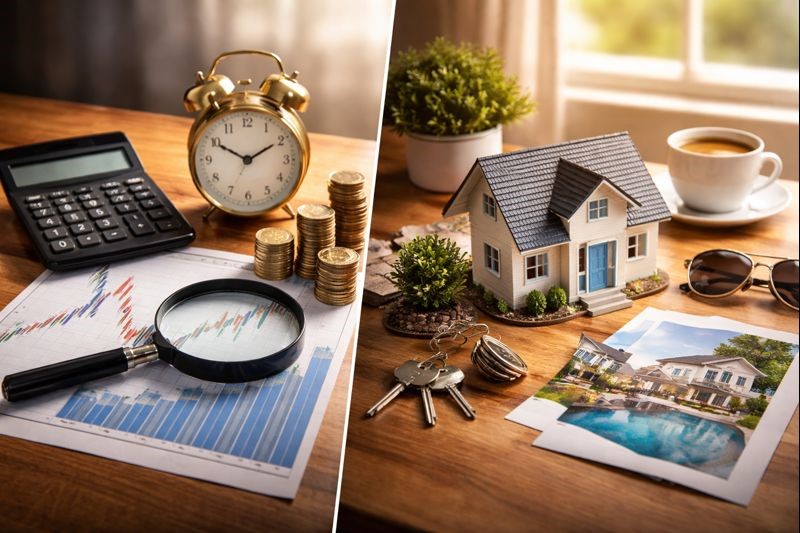
Life usually decides more than the market does. Commute time, family plans, preferred community, and how long the buyer plans to stay often matter more than a possible price dip. A home that fits daily routine and long-term plans can deliver value even if the market keeps moving. Buying makes sense when the right place fits lifestyle and budget at the same time. Delaying only makes sense when the lifestyle plan is still changing, or the home choice is not clear yet, not just because 2026 sounds like it might be cheaper.
The Pitfalls of Waiting Too Long
Waiting until 2026 might seem a cautious approach for first-time buyers, but Dubai property prices have risen year after year. A home priced at AED 900,000 today could exceed AED 1,000,000 if prices grow by 5-8% annually, increasing the down payment, mortgage, and monthly costs. Popular areas like JVC, Dubai Hills Estate, and Arabian Ranches attract international buyers, and well-priced units often sell quickly, leaving fewer options within budget for those who delay.
Rent payments over two or three years add a hidden cost without building equity, funds that could go toward ownership instead. Attempts to time the market may cause missed opportunities, higher expenses, and unnecessary stress. Choosing a property that fits personal needs and budget provides more certainty than waiting for potential price changes.
Consider the Long-Term Value of Your Home
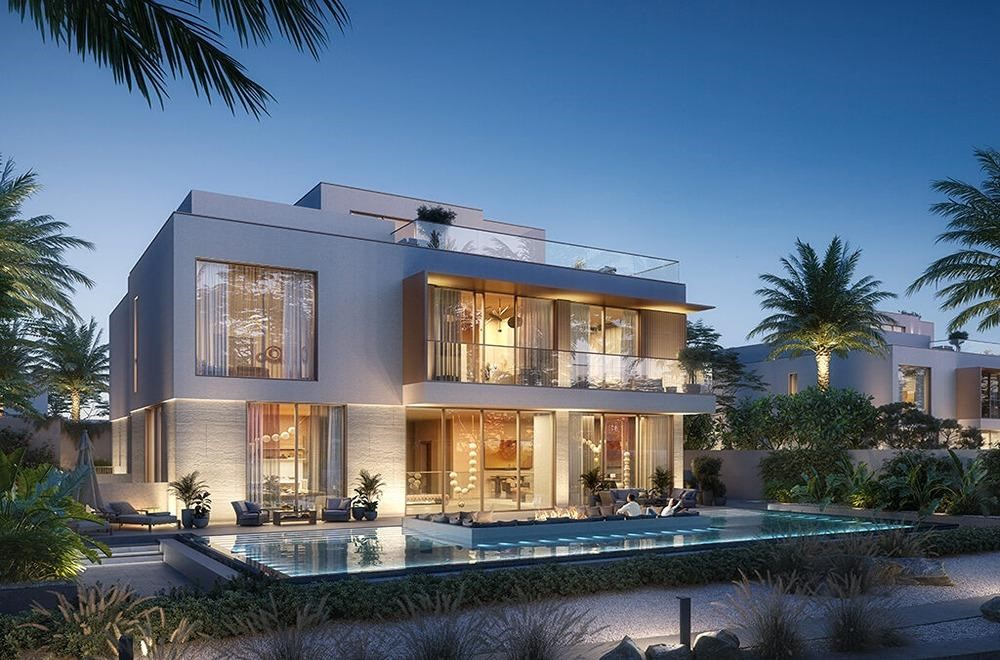
When buying property in Dubai in 2026 for the first time, the home's long-term value should be your primary focus. Property prices in Dubai may go up or down over time, but if you plan to stay in the home for several years, these changes won’t have a large impact on your investment. The key is to find a property that fits your lifestyle and meets your needs now and in the future. Short-term price fluctuations are less important if the property aligns with your long-term goals.
Instead of waiting for the perfect market moment, focus on finding a home that will offer stability and comfort for many years. Whether it’s a family home, an investment property, or a future retirement spot, the property's long-term potential is what matters most. A well-located home in a growing area can appreciate over time with substantial returns even if prices dip in the short term. Acting now and securing a home that fits your life can offer more value than waiting for market changes.
The First-Time Buyer Guide for Dubai Real Estate
When buying property in Dubai for the first time, there are several vital steps to follow:
Know Your Budget
Before any viewing, write a full budget that covers the purchase price plus the actual transfer costs. The Dubai Land Department transfer fee is 4% of the property's price and is paid at a registration trustee's office during an ownership transfer. Additional fixed charges also apply, such as title deed issuance and trustee service fees, which are set by the Dubai Land Department.
Annual service charges should also be factored in, as they directly affect yearly affordability and vary by building and amenities. Approved rates for each building can be checked through the official RERA Service Charge Index.
Research Neighbourhoods
Area research is not only about location and lifestyle, but it is also about resale demand, building quality, and ongoing costs. Shortlist two or three communities, then compare building age, parking, transport access, and service charge levels using the Service Charge Index. In ready property purchases, developer NOC requirements also matter, as the transfer needs a developer NOC confirming there are no objections and that key dues are clear. Check that process early with the seller and agent.
Understand Market Trends
Trends feel confusing because Dubai moves fast, so keep the trend check practical. Look at recent sale prices for the same building and nearby towers, then compare them with your mortgage ceiling and fees. A buyer does not need a perfect forecast, just a clear view of what similar units actually sold for and how long good listings stay available. The transfer process in Dubai follows documented steps, so the safest approach is to be ready rather than predict.
Work with an Experienced Real Estate Agent
A good first filter is licensing. Dubai Land Department provides official tools where you can check licensed real estate brokers and also validate real estate licenses and permits through the Trakheesi system, so use that before serious negotiations. Fees matter too. In the secondary market, commission runs around 2% of sales, so your budget should account for it upfront rather than as a surprise at the end.
Explore Financing Options
For a first home priced under AED 5 million, banks can lend up to 80% of the purchase price, so buyers must prepare a minimum 20% deposit. Homes above this price require a higher deposit under UAE lending rules. A mortgage also adds a Dubai Land Department registration fee of 0.25% of the loan amount. Comparing banks on interest rate, fixed period, early settlement charges, and processing fees helps keep the monthly payment within a safe range.
Conclusion
The best time to buy property in Dubai is when it fits your goals and finances, not when the market looks “perfect.” Dubai prices have stayed strong, so a big price drop in 2026 is not guaranteed. The smartest decision is the one that matches your income stability and the kind of lifestyle you want. A practical way forward is to set a clear budget that covers the deposit, fees, and a monthly payment you can comfortably afford, shortlist two or three areas that suit your routine, and speak to a mortgage adviser early so you’re ready when the right home appears.
If you're ready to make a move in Dubai’s property market, contact us today. Our team can help you find the right home, whether you're buying now or waiting for the market to shift.
Frequently Asked Questions
Is property tax applicable in Dubai?
+−
Dubai has no annual property tax, but owners pay service charges for maintenance and shared areas.
Can I rent out my property in Dubai?
+−
You can rent out your property in Dubai, but you must follow local rental laws and regulations.
What is the property transfer fee in Dubai?
+−
The property transfer fee in Dubai is 4% of the purchase price, paid to the Dubai Land Department.
Are mortgages available for first-time buyers in Dubai?
+−
Mortgages are available for first-time buyers in Dubai, with up to 80% financing for UAE residents and up to 60% for non-residents.
Can foreigners buy property in Dubai?
+−
Foreigners can buy property in Dubai in designated freehold areas such as Palm Jumeirah and Downtown Dubai.
What documents are needed to buy property in Dubai?
+−
The documents needed to buy property in Dubai include a valid passport, proof of income, a residency visa for residents, and a bank no-objection letter if financing.
Can I sell my property in Dubai at any time?
+−
You can sell your property in Dubai at any time, as long as you follow local rules and meet any mortgage conditions.
How is property value determined in Dubai?
+−
Property value in Dubai is determined by location, size, condition, demand, and recent sales of similar properties.