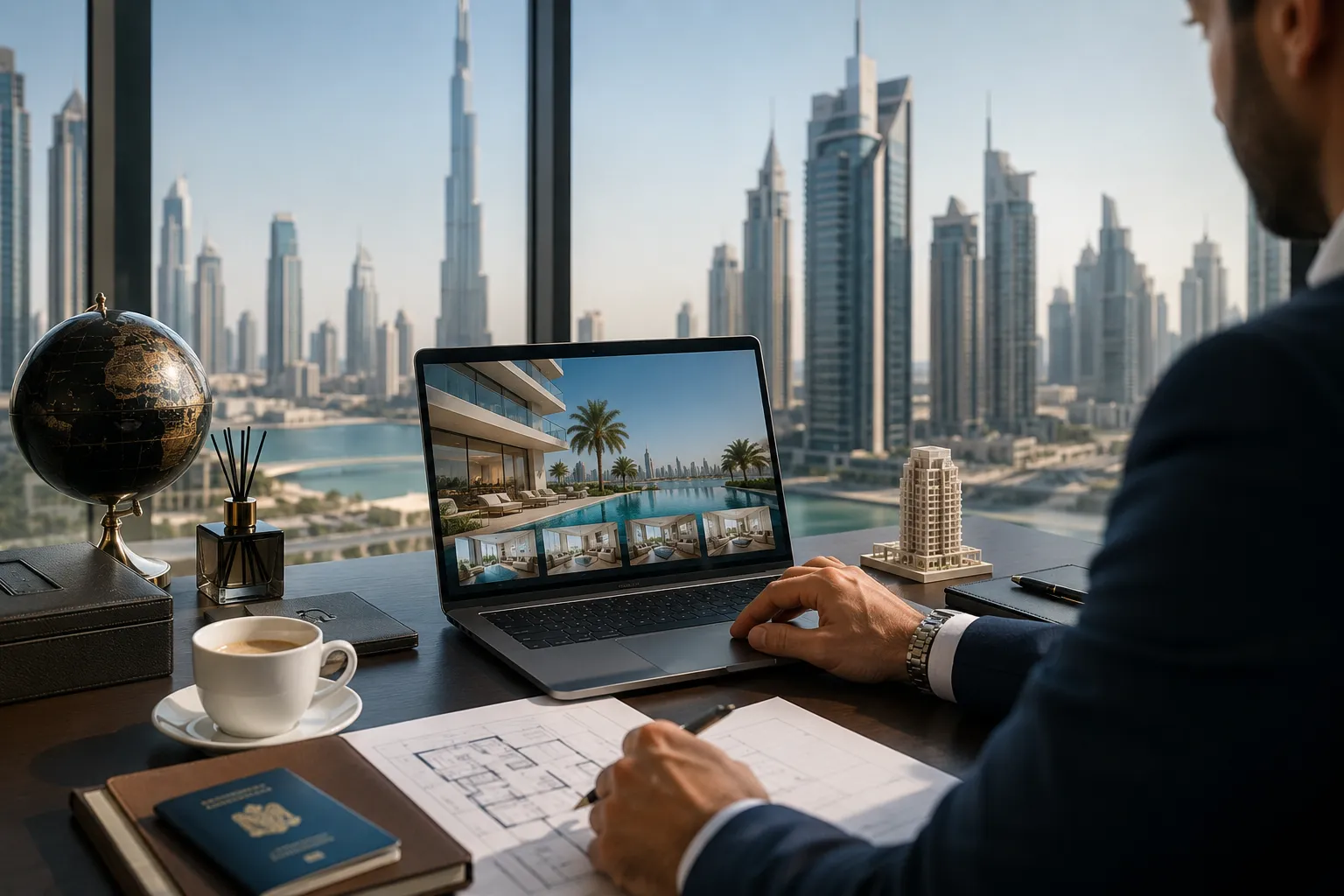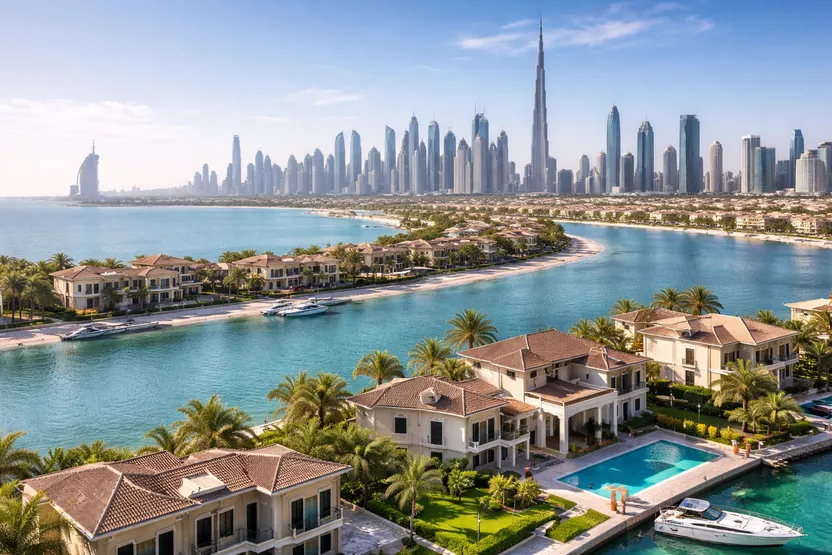
Do you need residency to buy property in Dubai?
Most people don’t worry about prices first when they look at Dubai property; they worry about eligibility. Someone hears a friend bought a flat, spots a listing online, and starts wondering if residency is needed to purchase a home in Dubai, since living in the UAE feels like it should come first. Well, the truth is, there is no residency requirement to buy property in Dubai.
Dubai built its real estate system around foreign buyers. People from every country can own homes in designated freehold areas, even without a visa, an Emirates ID, or a local job. That one rule explains why so many overseas buyers feel comfortable stepping into the market.
Let’s break down how it actually works in real life.
Key Takeaways
- Residency is not required to buy property in Dubai.
- Tourists and overseas buyers can legally own freehold homes.
- Ownership is based on passport and legal identity, not visa status.
- A property title deed is issued by the Dubai Land Department regardless of residency.
- A UAE visa becomes relevant only if the property meets investor visa thresholds.
- Freehold areas allow full ownership for foreign buyers.
Why did Dubai Open Property Ownership to Foreigners?
Back in 2002, Dubai opened freehold property to foreign buyers, and the idea behind it was simple. The city wanted long-term revenue, so it allowed people from outside the UAE to own homes in their own names. That gave buyers a sense of safety and a feeling that the property really belonged to them, even if they did not live in Dubai full-time.
Today, people from more than 200 nationalities own property across the city, according to data from the Dubai Land Department. In 2025, overseas buyers accounted for more than one-third (over 40%) of all residential transactions. Many of these owners live abroad and use their homes as rental properties or holiday bases. Some come a few times a year, others only visit when they need to check on their investment.
Can you Buy Property in Dubai without a Visa?

Yes, a visa is not required to buy property in Dubai. Someone visiting on a tourist stamp can sign contracts, pay a deposit, and walk away with a registered title deed in their name. The Dubai Land Department records ownership based on a passport and legal identity, not on the type of visa someone holds.
Banks, developers, and brokers all work under the same rules. They deal with buyers based on their documents, not their residency status. It is common to see people fly in for a couple of days, complete the paperwork, and leave the country as full property owners. That kind of transaction happens every week.
How Ownership Works for Tourists
Buying property in Dubai as a tourist is far more straightforward than most people expect. The process does not change just because someone is visiting on a short-term visa. A tourist goes through the same legal steps as any other buyer, starting with choosing a home in a freehold area and ending with a registered title deed.
The basic steps look like this:
- Choose a property in a freehold community
- Sign the sale agreement with the seller or developer
- Pay the agreed deposit
- Register the transfer with the Dubai Land Department
- Receive the official title deed
Tourist buyers use their passports instead of an Emirates ID. The Land Department creates a property file linked to that passport, and every home that the buyer owns in Dubai sits under the same record. If residency is added later, nothing changes about the ownership. The house stays registered in the buyer’s name from day one.
Where Foreigners Can Buy
Foreign buyers can purchase property in freehold areas. They can also acquire property in Dubai's leasehold areas, though these rights differ from freehold ownership. A leasehold structure grants the right to use and benefit from the property for up to 99 years, but does not include ownership of the underlying land.
Freehold structures grant non-UAE and non-GCC nationals full ownership of land in designated zones. These zones were set up so people from outside the UAE can own homes in their own name, with full legal rights that do not depend on visa status or length of stay.
Some of the best-known freehold areas in Dubai are:
High-Rise & Urban: Dubai Marina, Downtown Dubai, Business Bay, and JBR.
Luxury & Waterfront: Palm Jumeirah, Bluewaters Island, and Dubai Creek Harbour.
Villa & Suburban: Dubai Hills Estate, Arabian Ranches, and Jumeirah Village Circle (JVC).
More than 50 master-planned communities across Dubai follow this freehold model.
Visa vs Property Ownership Dubai
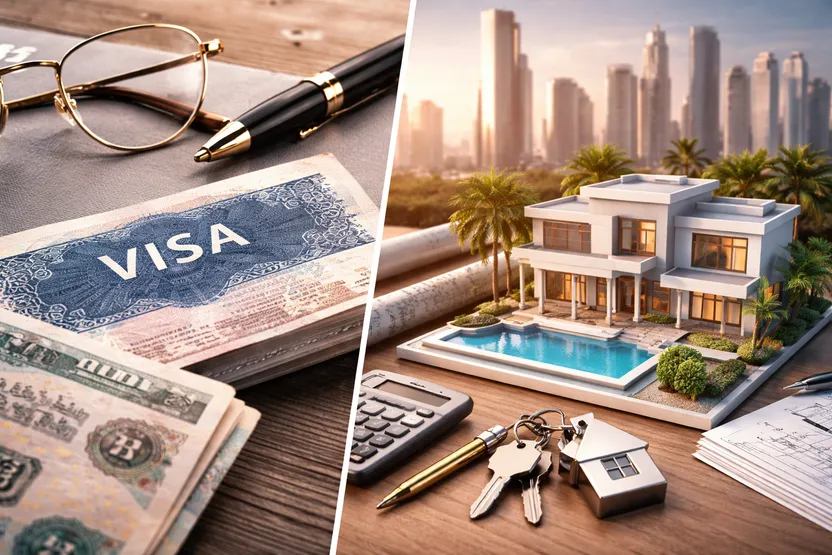
People sometimes mix the idea behind a visa and property ownership, and that is where most of the confusion starts. Property ownership gives legal rights over a home. A visa gives the right to live in the country. They serve different purposes, and one does not automatically lead to the other.
Someone could own several apartments in Dubai and still enter the country on a tourist visa. Another person might live here on a work visa without owning any property. The two systems run on separate tracks. That separation keeps things clear and allows ownership and residency to work without interfering with each other.
Property Investor Visa Dubai

Dubai offers a property investor visa for owners who meet the value threshold, with the ten-year Golden Visa being the best-known option. Anyone who owns freehold property worth at least AED 2 million can apply, whether the home is ready or off plan, as long as it is registered in the buyer’s name with the Dubai Land Department. There is also a two-year property investor visa for buyers who invest at least AED 750,000. It suits people who want residency without reaching the Golden Visa level.
Mortgages are allowed, too, as long as the buyer’s equity reaches the required amount. Once that level is met, the home can support a residency application. After approval, the owner and their family can live in the UAE, open bank accounts, get an Emirates ID, and even run a business.
The visa itself does not change who owns the property. Ownership stays recorded under the Dubai Land Department, and immigration handles the residency side. Two systems remain separate, connected only through the value of the home.
The table below shows how different buyers fit into the system.
Long Term View
Dubai built its property system to give buyers real choices. Some buyers want a place their family can use, others care more about rental income, and many also consider residency when deciding what to buy. The law does not push anyone into a single use, so people have the freedom to determine how a property fits into their own plans. That flexibility is one of the reasons demand keeps showing up year after year.
Around 80% of property buyers come from outside the UAE, so the market depends on overseas investors just as much as residents. Closing property ownership for non-residents in Dubai would slow everything down, from new developments to overall confidence. Keeping property open to global buyers supports steady growth, which is why this rule is not likely to change.
Conclusion
People get uneasy when legal rules sound complicated, and property law is in that category. Dubai took a different approach here by keeping things simple. Owning a home does not depend on having residency. A tourist, visitor, or someone living overseas can easily own a property in Dubai. Residency applies only when a buyer's property ownership meets Dubai residency rules. That clarity shaped the market you see today. Homes across Dubai are owned by people from all over the world, many of whom have never held a UAE visa before signing their first deal. Keys change hands every day under that same rule, and that consistency is what made Dubai’s property market what it is now.
If you’re thinking about buying in Dubai and want to understand what makes sense for you, contact us to go through real options in Dubai’s freehold areas.
Frequently Asked Questions
Can you buy property in Dubai without a visa?
+−
Yes, buyers can purchase property in Dubai without a visa. Ownership is based on passport and legal identity, not residency status.
Can tourists buy property in Dubai?
+−
Yes, buying property in Dubai as a tourist is allowed. Tourist visa holders can sign contracts, register ownership, and receive a title deed.
What is the minimum property value for a UAE property investor visa?
+−
The two-year property investor visa requires a minimum investment of AED 750,000 in freehold property registered in the buyer’s name.
What is the Golden Visa property requirement in Dubai?
+−
The ten-year Golden Visa requires freehold property worth at least AED 2 million, either ready or off-plan, registered under the buyer’s name.
Can a mortgaged property qualify for a property investor visa?
+−
Yes, mortgaged property qualifies if the buyer’s equity equals the required visa threshold, such as AED 2 million for the Golden Visa.
Can non-residents sell property in Dubai?
+−
Yes, non-resident owners can sell property. Dubai Land Department allows digital property transfers without requiring physical presence.
Does visa expiry affect property ownership in Dubai?
+−
No, visa expiry does not cancel ownership. The title deed remains valid even if residency ends.
Are foreign property rights protected in Dubai?
+−
Yes, freehold property ownership is protected under UAE law, and Dubai courts recognise title deeds as full legal proof of ownership.