Will property prices rise or fall in 2026? best-case, base-case, and worst-case forecasts (Dubai market)
Trying to figure out where Dubai’s property market is heading in 2026 feels a bit like trying to read the weather a week ahead. You can spot the signs, but you still want someone to walk you through what they actually mean. Based on how demand, supply, and buyer behaviour look right now, Dubai’s property prices in 2026 are more likely to rise slowly than fall, with established communities seeing modest gains and a few high-supply areas moving sideways.
Dubai doesn’t move like other cities, which is why its market needs a closer look rather than a quick guess. This blog breaks the year ahead into realistic scenarios to give you a clearer picture of what 2026 might bring.
Quick Summary
Dubai’s property market in 2026 is shaping up to be calm and steady rather than dramatic. Demand from residents, long-term visa holders, and overseas buyers continues to support prices, while a large pipeline of new homes keeps growth in check. Instead of sharp rises or sudden drops, most areas are expected to move slowly upward, with a few high-supply districts staying flat for a while. Off-plan projects may still show early price lifts, while established neighbourhoods should hold their value through real rental demand and day-to-day liveability.
Key Takeaways
- Dubai property prices in 2026 are expected to rise modestly rather than fall.
- Correction is more likely to be mild and limited to areas with heavy new supply or speculative buying.
- Neighbourhoods with large handovers may see slower price growth, while established areas with limited land stay firmer.
- Off-plan may grow faster early on, but ready homes offer steadier value tied to real rental and lifestyle demand.
- Communities with schools, parks, strong rental demand, and reasonable access tend to outperform.
- End users, long-term residents, and overseas buyers looking for stability will be the main force behind demand.
The Current Real Estate Market Landscape
Dubai’s property market stayed busy all through 2024, and the pace carried straight into 2025 with even more momentum. Dubai Land Department data showed that real estate transactions in Dubai reached around AED 761 billion in 2024, a 20% increase from 2023. The total value of property sales crossed AED 525.87 billion in the first 290 days of 2025. That alone is higher than the full year of 2024. Activity was intense in the first half as well. More than 125,000 transactions were recorded, a 26% increase compared to the same period last year.
The average price per square foot in 2025 reached AED 1,850, up 8.1% year on year, with villas showing the largest jumps, with some areas recording annual growth of 14 to 31%.
The rental market is tight, with high occupancy and steady rent increases in suburban areas where demand still outpaces supply. Investors see average yields of about 7%, which stands out when compared to cities like London or New York. Off-plan projects sit at the front of the market and make up roughly 66 to 70% of sales in the first half of 2025, supported by flexible payment plans and the appeal of early price growth.
Dubai Property Market Forecast for 2026
Looking ahead to 2026, Dubai’s property market brings together familiar strengths with a new set of factors shaping the next phase. A steady market with moderate growth seems like the most practical expectation for 2026. It’s less about big leaps and more about the market moving at a steadier pace. Mortgage rates could ease if global inflation settles, which helps people who want to buy a home rather than rent. Dubai’s population keeps rising too, already above 4 million, with long-term plans aiming toward 5.8 to 7.8 million by 2040, so the need for housing stays strong.
Long-term residency options also encourage people to put down roots. Price growth might feel softer than the sharp climbs of 2021 to 2023, but it is still positive. Some communities could move faster than others, especially areas with good schools, metro access, and strong rental appeal. Overall, a broad increase of 5-8% feels reasonable for this scenario.
What Could Push Prices Higher
Several factors could push prices above the base outlook. Strong interest from overseas buyers plays a big role, especially when their home markets feel uncertain. Delays in new project deliveries can also tighten supply and push prices higher. Job creation across finance, tech, tourism, and logistics adds more people looking for homes, which keeps demand healthy. Even currency movements can influence buying activity when the dirham is favourable against the euro or pound. When all of this comes together, some communities may grow faster than the broader market.
What Could Pull Prices Down
Some conditions could soften the market. A recent analysis by Dubai Property News suggests there could be anywhere from 200,000 to 300,000 new units coming by 2028, with a big chunk ready around 2026 and 2027. As this new supply enters the market, prices may level out or adjust in certain segments simply because buyers will have more options to choose from. That doesn’t mean the market will collapse, but it might stop rolling upward at the same pace we’ve seen over the past few years.
Borrowing could also become harder if banks raise interest rates again, which can slow down buying. If prices do dip, it would not be across the whole city. The areas most affected would be those with many similar homes or where buyers rely more on speculation. Even then, the change would likely feel mild rather than a sharp fall.
Global and Regional Factors Shaping Dubai Prices in 2026

Global events have a way of influencing Dubai’s property market, even when things feel stable at home. Currency movements, oil prices, regional stability, and US interest rate decisions all influence how buyers think. A stronger dollar can make Dubai property feel a little expensive for European and UK buyers. When currencies move this way, the pace of foreign investment can slow or accelerate depending on how global conditions shape buyer behaviour.
The global economy may still feel uneven in 2026, and that usually pushes more investors toward markets they see as stable. Dubai sits high on that list because of its clear regulations, long-term residency pathways, and track record of managing growth without major disruptions. If uncertainty increases elsewhere, Dubai could see a lift in demand from buyers who want a safer place to put their money.
Oil prices will likely play a meaningful role as well. More substantial oil revenues boost regional spending power, which can be reflected in the property market through higher liquidity and increased investment activity. If global uncertainty overlaps with strong local fundamentals in 2026, Dubai could attract even more attention from regional and international buyers. Demand may hold firm even if other markets slow.
Possibilities for Real Estate Market Price Correction in 2026
A real estate market price correction in 2026 is possible, though it would depend on a few conditions lining up at the same time. As discussed earlier, Dubai is expecting a wave of handovers through 2025 and 2028, and if many of these homes hit the market at once, rental yields may come down slightly. That can slow some investors' activity. There’s also the chance that buyers explore more affordable markets for a short period if they feel those offer better value. Developers are regularly adding new projects, and if they release more homes than the market can comfortably absorb, prices in certain areas may dip.
Dubai’s property market has never moved in a straight line. It shifts in phases, with strong growth followed by calmer periods where the market settles. These pauses help the city digest new supply. If a correction appears in 2026, it would likely be mild and mostly limited to areas with a lot of similar stock or more speculative buying. It would feel more like a natural reset after several years of quick growth rather than any sign of deeper trouble.
Impact of New Developments on Dubai Property Prices
Yes, the supply pipeline for 2025 to 2027 is sizeable, and even though not every project will hand over at the same pace, the volume expected around 2026 can influence how different parts of the city evolve. The impact will vary across neighbourhoods. Some areas may feel busier, with more options for buyers and tenants. In these locations, price growth could slow as people take time to compare what’s available and wait for handovers. Other communities, especially those with limited land, strong family appeal, or better connectivity, may not see much change. Their value comes from everyday convenience rather than the number of new projects nearby, and that helps prices stay firm.
The supply picture in 2026 is quite uneven. One district could see several handovers within a short period, while another adds very little new inventory. These differences in timing and delivery shape pricing more than the overall number of units planned for the city. Buyers may find more room to negotiate in some neighbourhoods, while other areas hold steady because demand for those locations stays strong.
Off-Plan vs Ready Property Forecast for 2026

Off-plan projects drew a lot of attention between 2023 and 2025, mainly because flexible payment plans made it easier for buyers to step in without high upfront costs. That interest is likely to carry into 2026, though how quickly off-plan prices rise will still depend on buyer confidence and developers' activity throughout the year. Off-plan homes climb in value the most during the journey from launch to handover, when demand builds, and buyers feel they are catching a project early.
Ready homes follow a different path. Their value is tied to things people can feel and see right away, such as the quality of the community, the convenience of nearby shops and schools, and the strength of rental demand. A family looking to move in immediately or an investor wanting rental income today may favour ready units. That steady demand supports ready property price growth in Dubai.
Apartment vs Villa Outlook for 2026
Apartments are expected to see steadier price movement in 2026, supported by rental demand from professionals and smaller households. New supply may slow growth in some towers, but well-located units near metro lines and business hubs should stay in demand.
Villas might remain firmer because family buyers, long-term residents, and limited land in established communities help keep prices supported. While growth may be slower than in recent years, sharp Price drop property appear unlikely in most villa areas.
Looking ahead to 2026, off-plan properties could see faster appreciation in the early stages, especially in projects tied to major master plans or locations that are gaining new infrastructure. Ready homes may offer more predictable growth, particularly in established neighbourhoods that already have a strong base of residents and tenants. Both can perform well, but neither comes with a guaranteed higher return. Much of it comes down to timing, the specific community, and what buyers value at that moment.
Should First-Time Property Buyers in Dubai Wait Until 2026?
Many first-time buyers wonder whether buying property in Dubai in 2026 will put them in a better position. Waiting can help only if prices come down, but predicting the exact moment the market shifts is hard for anyone. Most people buying their first home aren’t trying to time the market. They want stability, a place that fits their daily life, and a home they can hold comfortably for the long run.
If the right home shows up today at a price that feels reasonable and manageable, the long-term value outweighs whatever small change might happen a year or two later. Markets move in cycles, and even when prices cool, they rarely drop enough to drastically change the total cost for someone planning to stay for several years. What matters more is finding a home that suits your needs and stays within a budget you feel good about.
So, buying a good home at the right moment for your lifestyle works out better than waiting for the “perfect” market. A home you are happy living in or renting out pays off over time, regardless of slight shifts in yearly price trends.
Best Places to Invest in Dubai Property 2026
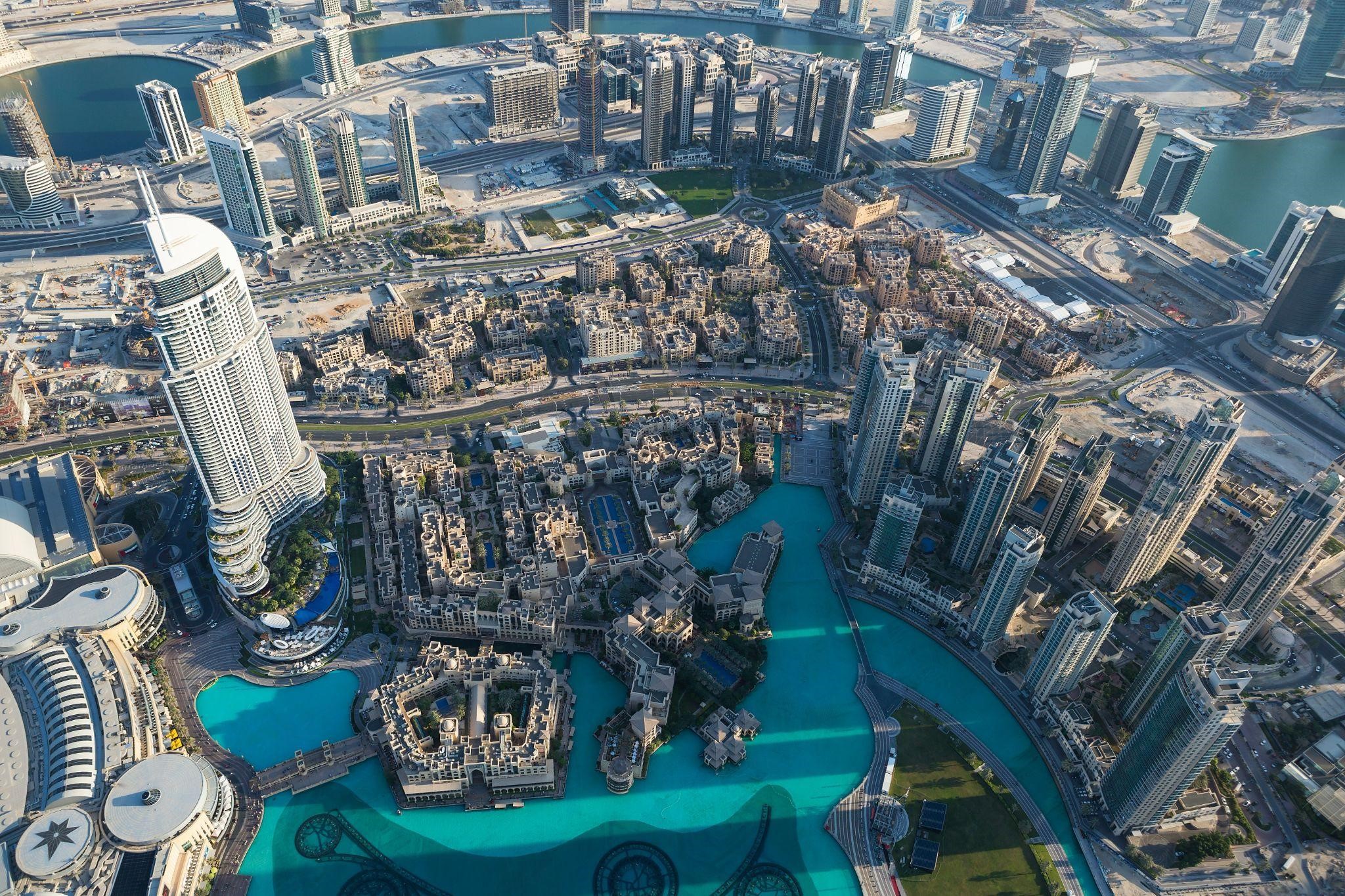
Some parts of Dubai are already showing signs that they could stand out in 2026. Dubai communities with the highest price growth share a few common traits. Dubai Hills Estate is high on many buyers’ lists because of its parks, schools, and overall family-friendly feel. Arabian Ranches and Ranches 3 draw steady demand for similar reasons. They offer space and community living that appeal to long-term residents. JVC and JVT attract buyers who want something more affordable without sacrificing convenience, which keeps activity levels there healthy.
In the more central areas, Business Bay and Downtown Dubai appeal to people who prefer being close to work, restaurants, and transport. These districts move faster when interest in city-centre living picks up. Dubai Creek Harbour is also gaining attention as more phases take shape and the community becomes more established. Palm Jebel Ali is attracting early interest from off-plan buyers seeking something iconic and future-focused. Parts of MBR City may also do well as new handovers help the area feel more complete.
Communities with good schools, parks, or easy access to the waterfront see stronger price movement because families and long-term renters support stable demand. Areas with strong rental demand tend to hold their value more easily, too, since investors look for neighbourhoods where tenants stay longer, and turnover remains low. These everyday factors shape price growth just as much as broader market trends.
Who Will Drive Demand in Dubai in 2026?
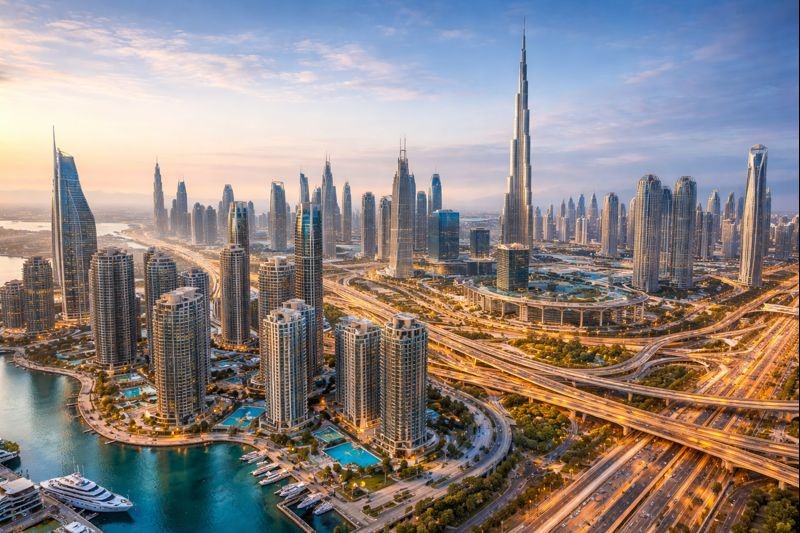
Demand in 2026 is expected to come from several groups for different reasons. A large share will come from end-users who feel ready to upgrade their living situation. Many families have seen their incomes grow in recent years, and changes at home or at work have prompted them to seek more space or communities that better fit their routines. These buyers focus on day-to-day comfort rather than short-term price swings.
Another important group is overseas buyers. Many international investors see Dubai as a place where their money feels secure. High-net-worth individuals are part of this, especially those seeking a base in a stable and well-connected city. They pay close attention to lifestyle, long-term ownership, and the privacy and safety that Dubai offers. Interest from Europe, the UK, Asia, and the wider region is expected to stay healthy, particularly in areas with strong rental demand and well-planned communities.
We cannot count out long-term residents, who also play a growing role. More people now qualify for Golden Visas or other extended residency options, and that sense of stability encourages them to move from renting to owning. They already know which areas fit their lifestyle, which makes the decision feel more natural.
All of this comes together in how buyers view Dubai in 2026. The city has built a reputation for being safe, predictable, and easy to navigate, even when the global picture changes. That level of trust shapes buyer sentiment in the Dubai real estate market and supports demand year-round.
Conclusion
2026 is shaping up to be a steady year for Dubai’s property market rather than one marked by dramatic swings. The city has already gone through a few intense growth cycles, so a year where things move at a gentler pace feels natural. Prices may rise in many communities, stay flat in a few, and ease slightly in places where new supply comes in faster than demand. None of these points to trouble. If anything, a stable market gives buyers more clarity and time to make decisions that feel right for them. They can compare options, plan their finances, and make decisions without feeling they need to rush before the next price increase. In a growing city like Dubai, a year of balance can be just as healthy as a year of rapid growth.
A clearer path forward starts with a conversation. Contact betterhomes today, and we’ll help you sort through the areas, prices and buy flat in dubai that matter most in 2026.
Frequently Asked Questions
Will Dubai property prices rise in 2026?
+−
Dubai prices are expected to rise slightly in 2026, with average growth projected between 5% and 8%, depending on the community and property type.
Could Dubai property prices fall in 2026?
+−
A mild correction is possible in areas with heavy new supply or high speculative activity, though any decline is expected to be limited.
Are off-plan properties expected to appreciate faster in Dubai?
+−
Off-plan homes may appreciate faster during early launch phases, especially in large master communities and in areas with new infrastructure.
What global factors may influence Dubai’s market in 2026?
+−
Currency shifts, oil prices, regional stability and US interest rate decisions may affect buyer activity and pricing trends.
How much new housing supply is expected by 2026 in Dubai?
+−
Forecasts suggest a significant portion of the 200,000–300,000 planned units by 2028 will reach the market in 2026 and 2027.
Will new handovers affect rental prices in Dubai in 2026?
+−
Rental prices may cool in areas with heavy handovers, while established neighbourhoods could stay firm due to consistent demand.
Are central Dubai districts expected to outperform in 2026?
+−
Central districts like Downtown and Business Bay may hold strong due to limited land and continued demand for city-centre living.
Is Dubai expected to face oversupply in 2026?
+−
Oversupply risk exists in specific pockets, but citywide oversupply is unlikely due to population growth and strong absorption rates.