Who will drive property demand in 2026? investor trends and buyer sentiment explained
Property demand in Dubai rarely shifts in response to a single headline or announcement. It builds through everyday decisions tied to work, rent, family plans, and long-term stability. As housing costs rise, career plans solidify, and residency timelines lengthen, people begin to reassess where they live and how long they plan to stay. Moments like these shape demand far more than market chatter ever does.
Looking ahead, the Dubai property demand forecast 2026 points to a market shaped by residents, investors, and overseas buyers acting with clearer intent than in earlier cycles. The market may appear calmer on the surface, yet activity underneath continues at a steady pace. Understanding who these buyers are and what guides their decisions explains why demand keeps forming even during periods when prices pause or move unevenly across communities.
At a Glance
Demand in 2026 is coming from several groups, not one dominant type of buyer. End users are moving out of the rental market and into ownership. Long-term investors are focused on steady rental income instead of quick resales. International buyers use Dubai as a base for lifestyle and capital protection. First-time buyers are entering through smaller units and flexible payment plans. High-net-worth buyers are shaping activity in waterfront and branded developments.
How Does Population Growth Influence Dubai’s Property Demand?
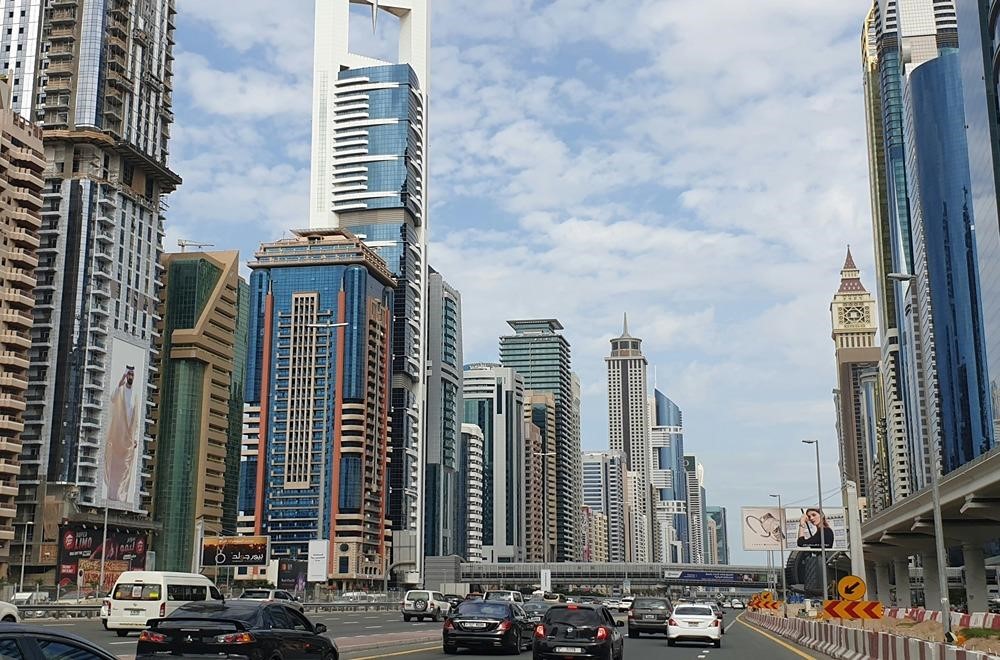
Population growth is the first sign of where housing demand will head, and looking at Dubai today makes that clear. The city’s resident numbers climbed well past 4 million in 2025. Official long-term planning, such as the Dubai 2040 Urban Master Plan, anticipates that figure will rise toward roughly 5.8 million by 2040 as part of broader efforts to expand jobs, services, and quality of life.
When more people move in, housing needs follow immediately. Most new arrivals start as tenants, living close to where they work and driving through rental cycles before considering ownership. As these workers establish routines, schooling, and community ties, the idea of buying a home in Dubai becomes more realistic. That cycle is most evident in areas close to employment hubs, metro stations, major roads, schools, and community facilities, where daily routines are easier to manage, and people stay longer.
As central locations absorb more residents and become pricier, demand spreads outward into neighbourhoods where daily costs feel more reasonable. That outward movement does not happen overnight, but it shows how population expansion begins to shape housing demand long before prices start to change on charts.
End Users Are No Longer Waiting as Long
End users are the most consistent source of demand in Dubai, and their approach has shifted noticeably over the past couple of years. Rising rents forced many residents to rethink long-term plans, especially as one-bedroom apartments in central areas moved into the AED 85,000-100,000 range during 2025. Paying that amount year after year changes how people look at housing. Mortgage rates climbed, paused, and then eased just enough for buyers to recalibrate. More extended loan periods became the norm, and budgets grew more deliberate. Many first-time buyers now rely primarily on two incomes, especially professionals in their early thirties, and buying a home has shifted from a general idea to a step-by-step process.
What matters most to end users in 2026 is practical living. They focus on:
- Commute time and access to work
- School locations for families
- Parking, storage, and service charges
- Completed homes and near-handover projects
Those choices keep demand strong across mid-priced apartments, townhouses, and family villas, even when the broader market feels quieter.
Rising Rents Are Shaping Buying Decisions
Rental demand across Dubai stayed strong through 2025, with vacancy levels remaining tight in many apartment-focused communities near metro lines and major work hubs. As rents ranged from AED 85,000 to AED 100,000 in 2025 for one-bedroom apartments, more tenants began comparing yearly payments with mortgage instalments. Predictable housing costs began to outweigh short-term flexibility, especially for residents planning to stay in Dubai long term. Ownership offers more precise control over future expenses, even with higher upfront commitments. Many buyers expected to enter the market in 2026 are likely to come straight from the rental market. Areas with consistent tenant movement will produce new owners even when overall sales activity slows.
Long-Term Investors Are Focused on Rental Returns
Dubai investor trends for 2026 point toward income-focused strategies. Average rental yields across many Dubai communities range from 6 to 8%, with some outer neighbourhoods recording higher yields due to lower entry prices and larger unit sizes. In a market without tax on rental income, that level of return stands up well against major global cities.
Investors are leaning toward homes that attract tenants without much effort. Properties near metro stations, townhouses close to schools, and smaller villas with practical layouts tend to rent faster and stay occupied longer, which makes income more predictable.
Dubai recorded over 170,000 transactions in 2024, and activity rose to nearly 190,000 in 2025. A large share of those purchases were made with holding periods of 5 years or more in mind. It reflects how Dubai investor trends 2026 are shaped by income and stability.
International Buyers Keep Playing a Key Role
International buyers are anticipated to play a steady role in Dubai’s property demand in 2026. Buyers from India, the United Kingdom, Europe, Russia, and the Middle East see Dubai as a practical place to hold property, supported by clear ownership rules and open access for foreign buyers. Transaction data from 2025 shows overseas buyers accounted for over 40% of total residential ownership, particularly across established neighbourhoods and branded developments.
Currency changes affect buying decisions, so timing matters for this group. When foreign currencies strengthen against the dirham, overseas buyers can afford more and buying activity increases. Uncertainty in home markets also shapes decisions, leading buyers to spread assets across different countries. Residency incentives add another pull, since property purchases from AED 2 million qualify buyers for long-term residency. Most international buyers choose completed homes, waterfront locations, and branded residences that show reliable rental demand, then use them seasonally or place them under professional management.
First-Time Buyers are Growing in Number
First-time buyers now make up a larger share of demand. Rising rents pushed many residents to look at ownership sooner, and developers responded by adjusting payment structures. Post-handover plans and smaller unit sizes reduced upfront strain. Post-handover payment plans and smaller unit sizes lowered upfront costs and enabled many buyers to enter the market sooner than before. In 2025, studios and one-bedroom apartments accounted for a large share of first-time purchases, especially among residents in their late twenties and early thirties. These buyers closely examine service charges, maintenance costs, future resale value, and the planned infrastructure for the area before deciding where to buy.
That mindset supports demand in newer districts where prices feel more reachable, and growth is tied to new schools, retail, and transport links.
High-Net-Worth Buyers Shape the Upper End
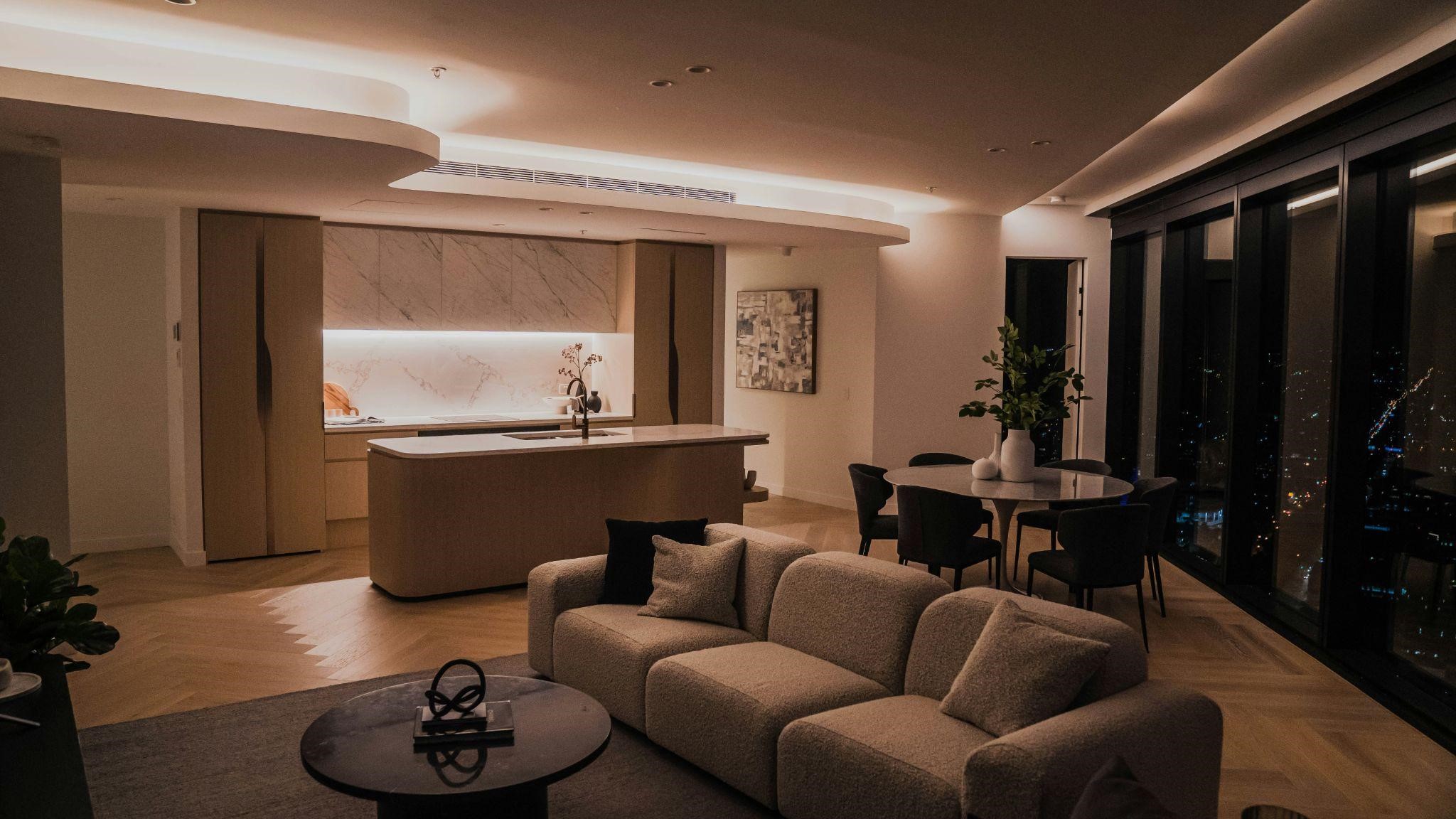
High-net-worth buyers shape the top end of Dubai’s market more deliberately. Luxury demand has held steady through 2024 and into 2025, especially for waterfront villas, large plots, and branded residences priced above AED 10 million. Buyers in this segment care less about price per square foot and more about privacy, layout, and long-term use. Many purchase homes as second residences or regional bases tied to business and travel, which explains why activity remains consistent even when broader transaction volumes rise or fall. With limited new land available in premium locations, this part of the market will attract selective demand heading into 2026.
Buyer Sentiment in the Dubai Real Estate Market
Buyer sentiment in the Dubai real estate market heading into 2026 shows a noticeable shift toward patience and clearer thinking. Buyers spend more time reviewing past sale prices, checking recent rental levels, and understanding service charges before committing. Developers receive sharper questions, and agents are expected to explain numbers in plain terms instead of relying on broad claims.
Steady fundamentals across the UAE economy support that mindset. Employment growth across finance, logistics, tourism, and professional services provides households with a clearer view of their income and future plans. Ongoing investment in transport, roads, healthcare, and education reinforces long-term living plans. With these pieces in place, buyers feel comfortable taking their time, and that measured approach supports stable demand.
How Demand Shapes Prices Across Dubai?
Different types of buyers influence prices in different ways, and that shows up clearly across Dubai’s communities.
- Prices move differently from one area to another.
- Locations that saw fast growth earlier tend to slow down.
- Areas adding metro access, roads, or retail see gradual price movement.
- Established neighbourhoods show steadier pricing after past gains.
- Emerging communities are attracting interest as affordability becomes more critical.
- Investors follow rental returns when choosing locations.
- End users support prices through long-term ownership.
- Luxury prices depend mainly on the limited supply in prime areas.
Conclusion
Property decisions in 2026 are less about timing the market and more about how property fits into real life. Buyers are more explicit about why they are purchasing and what they expect from a home or an investment. Choices form through practical shifts like rising rents, longer residency plans, and the search for dependable income, and those reasons do not disappear when the market slows or timing feels uncertain. The question: Will property prices rise or fall in 2026? comes up often, but the answer depends on where demand is building and who is driving it. When people work, plan to stay, and use homes for daily living, demand forms naturally. Markets built on those decisions hold their ground over time.
Property choices work better with context. Contact us today to talk through areas, budgets, and realistic next steps with people who know the local market.
Frequently Asked Questions
Are end users buying more property in Dubai now?
+−
Yes. Rising rents and longer-term residency plans have led more end users to move toward ownership, especially for mid-priced apartments, townhouses, and family villas.
How do rental prices affect buying decisions in Dubai?
+−
Higher rents push long-term tenants to compare annual rent with mortgage payments. This pattern leads many to consider ownership for cost predictability and stability.
What rental yields can investors expect in Dubai?
+−
Average gross rental yields in many Dubai communities range between 6 and 8%, depending on location, unit type, and purchase price.
Do international buyers invest in Dubai property?
+−
Yes. International buyers account for over 40% of residential ownership, attracted by ownership laws, residency options, and long-term market stability.
What is the minimum property value for UAE long-term residency?
+−
Property investments of AED 2 million or more qualify buyers for long-term residency options in the UAE.
Which areas benefit most from buyer demand growth?
+−
Areas near metro lines, employment hubs, schools, and new infrastructure projects, such as Business Bay, Jumeirah Lake Towers, and Al Furjan, see more consistent demand.
Will Dubai property prices rise in 2026?
+−
Price movement will vary by area. Established locations may see steadier pricing, while emerging communities could experience gradual growth as demand builds.
Are branded residences in demand in Dubai?
+−
Yes. Branded residences attract international buyers seeking managed homes and strong rental appeal.