How do you buy a property in Dubai? step-by-step guide
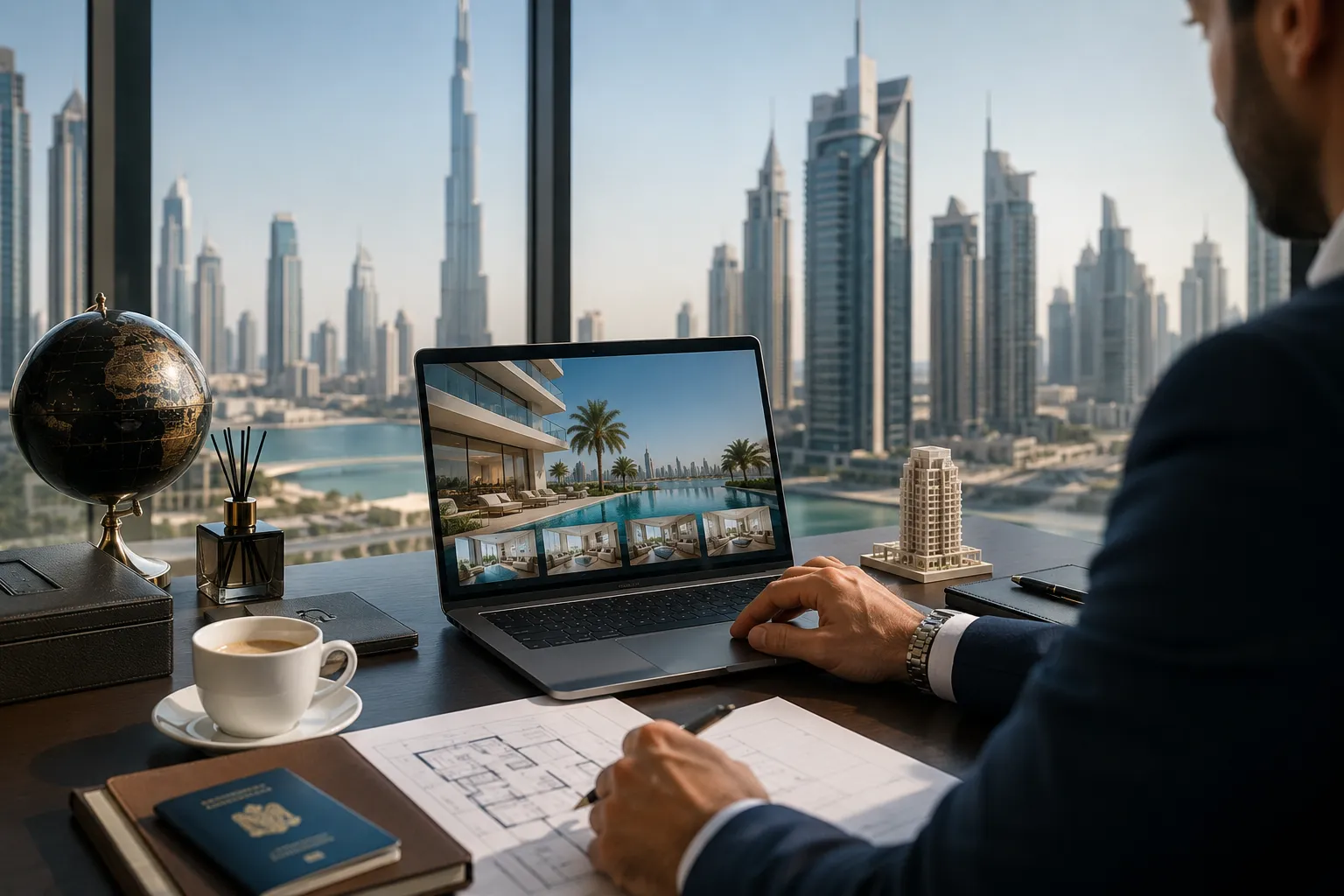
Buying property in Dubai sounds complicated until you see how the process actually works. The rules are clear, the paperwork is standardised, and the transfer happens through one government system. This step-by-step guide explains how to buy property in Dubai, what it really costs, and how ownership is legally transferred, so you know exactly what happens from the first viewing to the final title deed.
Quick Summary
Property purchases in Dubai follow a defined legal path run through the Dubai Land Department. A buyer agrees on the price, pays a deposit, signs the sales contract, settles the required fees, and completes the transfer at a DLD trustee office. Foreign and non-resident buyers can own freehold homes, using either a mortgage or a full cash payment.
Key Takeaways
- Non-residents and expats can legally buy freehold property in Dubai.
- Buyers pay around 7 to 8% of the price in government and agent fees.
- A 10% deposit is standard once the offer is accepted.
- Ownership is transferred at a Dubai Land Department trustee office.
- Property worth AED 2 million or more can support a Golden Visa.
- Mortgages are available to residents and non-residents with limits.
How the Property Buying Process Works in Dubai
Dubai uses a single-day legal transfer system run by the Dubai Land Department. Once a deal is agreed, the buyer and seller follow a short chain of steps that leads directly to a title deed. There are no long waiting periods, no lawyer-led closings, and no delayed ownership once paperwork is complete.
Here is how buying a home in Dubai works in real life.
Step 1: Choose the Right Ownership Type
Dubai offers two ways to own property.
Freehold Property
A freehold property gives the buyer full ownership of the home and the land it sits on. The owner can live in it, rent it out, sell it, or pass it on to heirs without any time limit.
Leasehold Property
A leasehold property gives the buyer the right to use the home for a fixed period, up to 99 years. The land remains owned by someone else, and upon the lease's expiration, ownership reverts to the landowner unless it is renewed.
Expats and overseas buyers can purchase both types of properties. Freehold properties are located in well-known areas such as Dubai Marina, Downtown Dubai, Business Bay, JVC, Dubai Hills, and Palm Jumeirah, among others, across the city. Leasehold properties in Dubai are common in older areas, as well as in newer developments such as Deira, Bur Dubai, Al Qusais, Discovery Gardens, International City, and Dubai Silicon Oasis.
Key Update: New regulations in 2025 have streamlined the process for converting specific leasehold properties into freehold in areas like Al Jaddaf and Sheikh Zayed Road.
Key Differences at a Glance
Step 2: Understand the Full Cost Before You Buy
The price on the listing is not the final number. Hidden costs when buying a property in Dubai are what catch many first-time buyers off guard. Buyers in Dubai pay several government and professional fees in addition to the property price.
Here is what most buyers pay:
- 4% of the price as a Dubai Land Department transfer fee.
- AED 2,100 to AED 4,200 for DLD registration.
- 2% as the real estate agent’s commission.
- Developer NOC fees for resale homes.
- 0.25% of the loan amount if using a mortgage.
Taken together, these costs add up to around 7-8% of the purchase price.
Step 3: Make an Offer and Pay the Deposit
After finding the right home, the next move is to submit an offer through the broker. Once the seller accepts, both sides sign the Memorandum of Understanding, known as Form F. This is the point where the buyer places a deposit.
In most Dubai deals, that deposit is 10% of the agreed price. Form F and a 10% deposit bring both sides into a binding agreement. The money is held by the broker or in an escrow account until transfer day. If the buyer pulls out without a valid reason after signing, that amount is usually lost.
Step 4: Clear Any Existing Mortgage
If the seller still has a mortgage on the home, it must be paid off before ownership can change. The bank issues a liability letter detailing the amount still due. That amount is settled, either by the buyer or the buyer’s bank, after which the seller’s bank releases the property.
This part of the process takes one to two weeks. If there is no loan on the home, everything moves straight to the next step.
Step 5: Transfer Ownership at Dubai Land Department
The last step takes place at a DLD trustee office. Both the buyer and the seller show up to complete the legal process of buying property in Dubai, along with the manager’s cheques. Once everything is checked and approved, the Dubai Land Department issues the title deed in the buyer’s name on the same day.
That is the point where the home officially changes hands, and the buyer becomes the legal owner.
Can Non-Residents Buy Property in Dubai?
Yes, non-residents can buy property in Dubai, and it’s actually more flexible than people realise. You don’t need a residence visa, a local bank account, or even to be in the country to close the deal, which is why so many investors from the UK, India, and Europe manage their rentals from abroad.
If you’re planning to use a mortgage, just keep in mind that the rules are a bit stricter for overseas buyers. So, you’ll need more cash on hand, not just for the larger down payment, but also to cover the government fees and closing costs.
The Dubai Land Department (DLD) has made it easier than ever to manage your investment digitally. You can now track your property, pay fees, and even apply for a Golden Visa entirely online. It’s a very investor-friendly setup that makes Dubai a solid long-term base for your money.
Do Buyers Need Residency to Own Property
No, there is no residency requirement to buy property in Dubai. People can purchase a freehold home without living in the country, and many overseas buyers do precisely that. At the same time, ownership can open the door to residency.
If your investment is worth at least AED 750,000, you can apply for a 2-year residency visa. If you go bigger and invest AED 2 million or more, you qualify for the 10-year Golden Visa, which gives you and your family long-term security in the UAE.
The home can be off-plan or completed, as long as the buyer’s name appears on the title deed or the Oqood record. Oqood is a temporary registration system used by the Dubai Land Department for off-plan properties before the final title deed is issued. That threshold has guided many buyers toward homes priced around that level.
Mortgages and Financing in Dubai
Dubai banks offer a range of mortgage options to residents and non-residents, though the amount you can borrow depends on your visa status. In most cases, UAE residents can finance a larger share of the purchase, while overseas buyers are asked to bring in more cash upfront.
Interest rates move with global markets, though many buyers in recent years have seen rates between 4 and 6%. Once all documents are submitted, loan approval takes about two to three weeks.
Which is the Best Emirate to Buy Property in the UAE
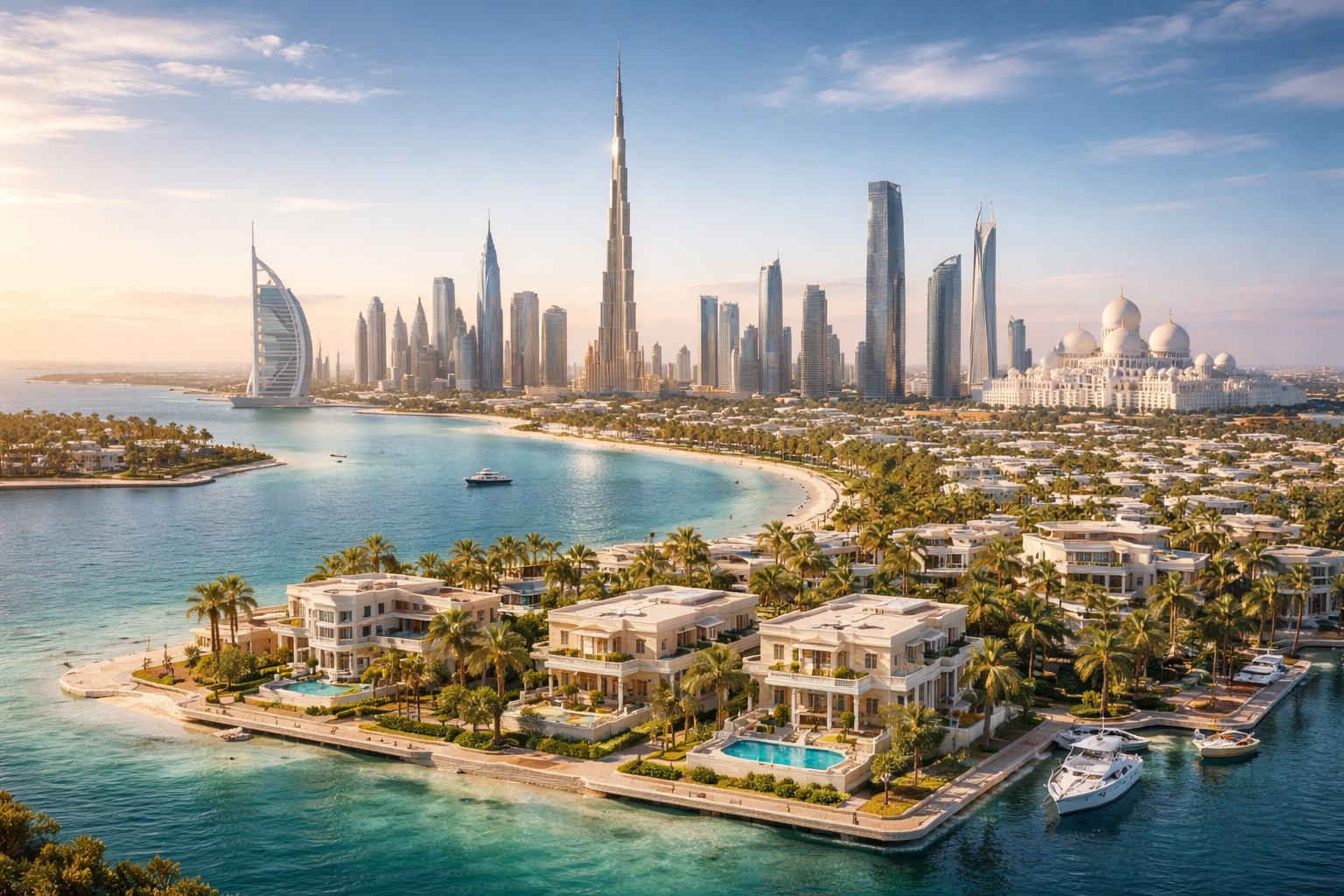
People searching for the best emirate to buy property in the UAE want one answer, but the right choice depends on rental income, resale demand, and how long the home will be held.
Dubai leads the UAE property market in terms of volume. According to the Dubai Land Department, property deals totalled about AED 431 billion in the first half of 2025, underscoring the busy pace of buying and selling. It has the largest number of freehold areas, the most active resale market, and the strongest tenant demand. Apartment yields average around 7%, and places like Business Bay, JVC, and Dubai Marina stay in demand with renters year after year.
Abu Dhabi suits buyers who prefer a steadier pace. Entry costs are lower, since the registration fee is 2%, compared with 4% in Dubai. Many buyers see the capital as a place to hold property for many years without sharp price swings.
RAK has turned into a strong tourism-driven market. Property transactions grew by 118% in 2025, linked in part to the Wynn Al Marjan Island resort project. Areas near the site have recorded price growth close to 35% a year, which suits buyers looking at holiday homes and short-term rentals.
Sharjah is well-suited to buyers with tighter budgets. Homes here cost 30 to 40% less than in Dubai, which opens the door for families and smaller investors. Areas like Aljada and Sharjah Sustainable City have seen steady interest because they offer newer homes at more affordable price levels.
Ajman attracts buyers who focus on rental income. In some areas, yields exceed 9%, and purchase prices are at their lowest levels in the UAE. That setup makes market entry easier without a heavy upfront commitment.
If one emirate has to be named, Dubai stands out as the best place to buy property in the UAE. It offers the widest choice of freehold areas, the strongest rental demand, the most active resale market, and the clearest legal system for foreign buyers.
What to Know Before Buying in Dubai
Many first-time buyers focus on price and location, yet things to know before buying property in Dubai go far beyond that.
- Service charges vary by building and can change yearly ownership costs
- Rental income differs by area, with some mid-market communities earning more than luxury homes
- Off-plan payment plans should always be checked against escrow and handover timelines
- Community rules affect parking, pets, and short-term rentals
- Areas with steady tenant demand are easier to resell later
Conclusion
Buying a home in Dubai does not have to feel like a leap into the unknown. Once the steps make sense, the whole process becomes more about choosing the right property than worrying about paperwork. Picking a freehold area, budgeting for the real costs, and completing the transfer at DLD all follow a set path that buyers can plan around. A little preparation goes a long way here, and that is what helps the experience feel steady, not stressful.
If you are planning to buy property in Dubai, speak with our team to see current listings, real market prices, and which homes qualify for residency and long-term investment. Contact us today to get clear options.
Frequently Asked Questions
Can foreigners buy property in Dubai?
+−
Yes. Foreigners can buy freehold property in approved areas of Dubai without holding a UAE residence visa.
What is the minimum property value for a Golden Visa?
+−
A freehold property worth AED 2 million or more qualifies the owner to apply for a 10-year UAE Golden Visa.
How long does it take to complete a property transfer in Dubai?
+−
Most property transfers are completed within two to four weeks, and 4-8 weeks if mortgages or financing are involved.
What is a DLD trustee office?
+−
A DLD trustee office is where property ownership is legally transferred, and the title deed is issued.
Can buyers rent out their Dubai property immediately after purchase?
+−
Yes. Owners can rent out their property as soon as the title deed is issued and the unit is handed over.
Are there annual property taxes in Dubai?
+−
Dubai does not charge annual property tax, though owners pay service charges and community maintenance fees.
Can a property be bought remotely in Dubai?
+−
Yes. Many buyers complete purchases using a power of attorney without being physically present in the UAE.
Are there restrictions on selling a Dubai property?
+−
Owners can sell their property at any time, though mortgages and developer payment plans must be cleared first.
Do buyers pay VAT on residential property purchases?
+−
VAT is not charged on the sale of completed residential properties, though it may apply to commercial units.
Can multiple people own one property in Dubai?
+−
Yes. A property can be registered in joint names, with ownership shares recorded on the title deed.